HARRY EDLAND® – mauve-lilac bedding floribunda rose - Harkness
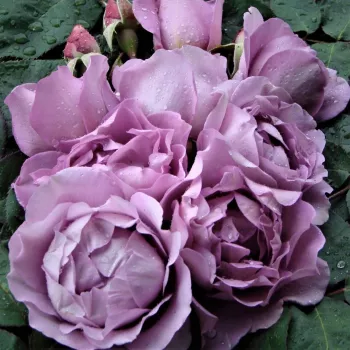
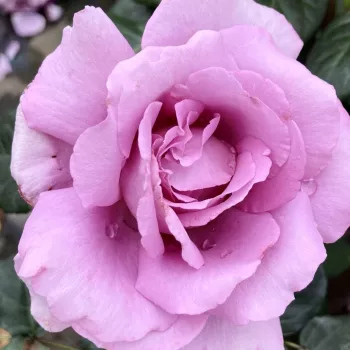
Choose Harry Edland when you want a classic floribunda that is genuinely easy-care yet visually striking in a typical British family garden. Its upright, compact habit fits neatly into smaller front gardens and mixed cottage-style borders, while dense, glossy dark foliage gives a smart, finished look even between flushes of bloom. Large, cup-shaped clusters in a powdery lavender-purple and mauve-lilac palette repeat well through the season, creating a soft, romantic colour accent that partners beautifully with blues, whites and silvers. The very strong, garden-filling fragrance recalls traditional scented roses, making it a characterful choice for paths and seating areas, and its own-root constitution supports steady, long-term growth, coping reliably even where soil can be heavy and drainage needs careful management.
Usage options
| Target area |
Reasoning |
| Front garden feature rose |
The upright, compact bush and dense, glossy foliage give a tidy, cared-for look beside driveways and pathways, while the mauve-lilac clusters provide a refined focal point without dominating a small plot, ideal for a polished frontage for the householder. |
| Low-maintenance bedding and edging |
Reliable repeat flowering and low maintenance needs make this floribunda well suited to small beds and edging where you prefer simple routines: occasional deadheading and feeding are enough to keep borders colourful for the busy-gardener. |
| Scented seating or patio area |
The very strong, garden-filling perfume is perfect by benches or patios, where even a small group of plants can create a richly scented corner that feels indulgent without complex planting schemes for the fragrance-lover. |
| Classic cottage-style mixed border |
The soft lavender-purple and mauve tones blend easily with perennials such as blue fescue and daylilies, giving a relaxed cottage character while the structured floribunda form keeps the planting from feeling untidy for the style-conscious. |
| Pollinator-friendly family border |
Semi-double blooms with partially accessible centres offer moderate attraction for visiting insects, adding gentle wildlife interest in a family setting while still prioritising ornamental flower effect for the nature-aware. |
| Container planting in large pots |
The moderate height and upright habit adapt well to large containers of at least 40–50 litres, giving long-season colour on patios and balconies as long as watering and feeding are kept regular for the space-limited. |
| Resilient, long-term garden planting |
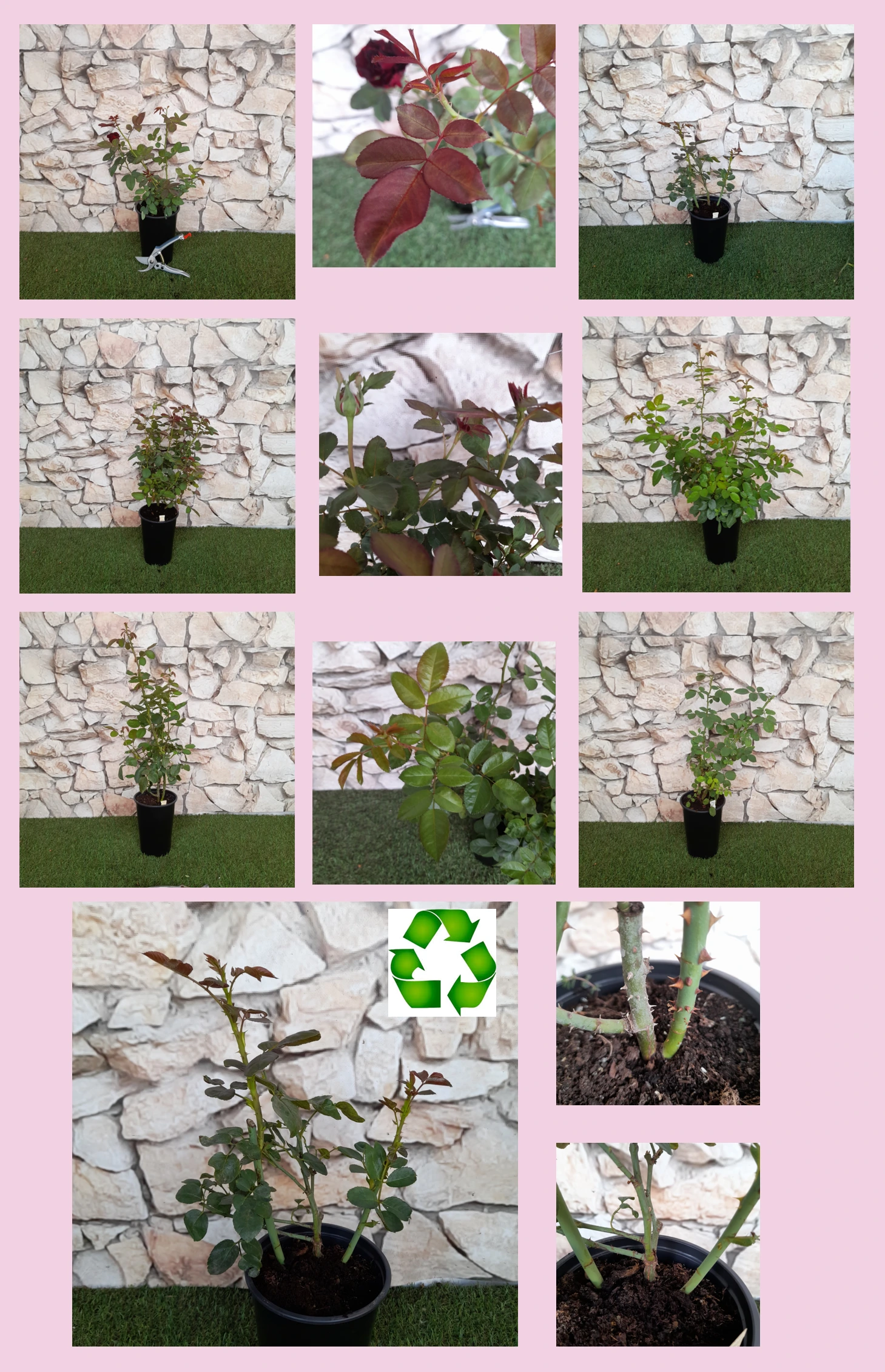
As an own-root rose, it builds a stable framework that can regenerate from its base and maintain ornamental value over many years, giving confidence that a small planting today will mature gracefully for the long-planner. |
| Simple rose bed for beginners |
With good disease resistance and straightforward pruning options, you can keep it healthy with minimal intervention; establish it once and let it develop from strong roots into a full, reliable display over its first few seasons for the beginner. |
Styling ideas
- Cottage-curve – line a gentle front-garden curve with a short row of these mauve-lilac bushes, interplanted with low blue fescue for texture – ideal for homeowners seeking soft, traditional charm.
- Patio-scent – plant one or two in large 50-litre containers by a seating area to enjoy the powerful fragrance at close quarters – perfect for balcony and terrace gardeners.
- Lavender-ribbon – use a staggered double row along a path as a low, flowering ribbon edging, keeping maintenance to light deadheading – suited to busy families wanting easy impact.
- Mixed-mauve – combine with pale daylilies and silver-leaved perennials in a small border for a blended mauve and cream scheme – attractive for those favouring coordinated colour palettes.
- Neighbourly-show – create a small front bed of three to five plants for a continuous, well-structured display that looks good from the pavement – great for street-proud, time-pressed gardeners.
Technical cultivar profile
| Attribute |
Data |
| Name and registration |
Floribunda bed rose registered as ‘Harry Edland’; current trade name HARRY EDLAND® – mauve-lilac bedding floribunda rose – Harkness; ARS exhibition name: Harry Edland. |
| Origin and breeding |
Bred by Jack Harkness, R. Harkness & Co. Ltd., United Kingdom; complex parentage from ‘Lilac Charm’, ‘Sterling Silver’, ‘Blue Moon’ and ‘Africa Star’; introduced and registered in 1978. |
| Awards and recognition |
Associated with the RNRS Edland Fragrance Medal (1975), reflecting its notable scented qualities and its link to fragrance judge Harry Edland in classic British rose breeding circles. |
| Growth and structural characteristics |
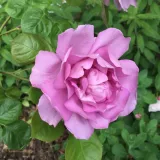
Upright, compact bush 70–95 cm high, 50–75 cm spread, moderately thorny; dense, glossy dark green foliage offers good ground cover and a neat outline in beds, borders and containers. |
| Flower morphology |
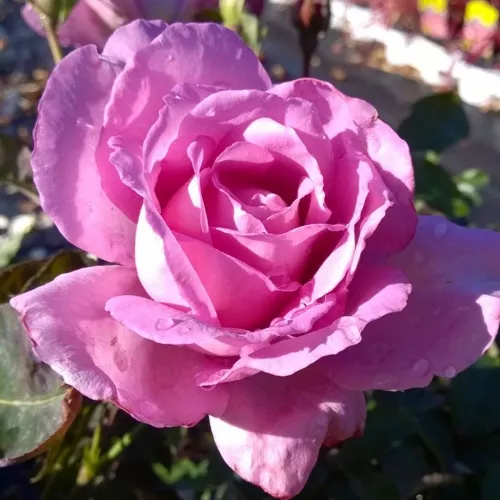
Semi-double, cup-shaped blooms with 17–25 petals, borne in clusters; large flowers (around 7–10 cm) with good repeat flowering, including an abundant second flush in favourable conditions. |
| Colour data and phenology |
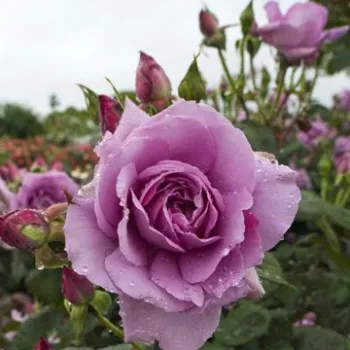
Mauve-lilac overall effect; buds deep mauve-purple with silvery sheen, opening lavender-purple with paler reverse; good colour retention, sometimes bluer in cool weather, fading to silvery lilac-pink. |
| Fragrance and aroma |
Very strong, garden-filling scent with a full, perfumed character; well suited to positions where fragrance can be appreciated, including near doors, paths, patios and frequently used seating areas. |
| Hip characteristics |
Moderate production of small decorative hips, 10–14 mm in diameter, spherical and red; adds a modest autumn interest where some spent blooms are left unpruned late in the season. |
| Resistance and winter hardiness |
Good overall disease resistance, rated resistant to black spot, powdery mildew and rust; hardy to about -21 °C (RHS H7, USDA 6b), coping reliably in most typical UK garden conditions. |
| Horticultural recommendations |
Best in sunny positions; plant 50–95 cm apart depending on use; suits beds, edging, informal hedging and large containers, with generally low maintenance beyond watering, feeding and light pruning. |
HARRY EDLAND® combines low-maintenance repeat flowering, powerful garden-filling fragrance and durable own-root growth, making it a thoughtful long-term choice for a characterful, scented garden.