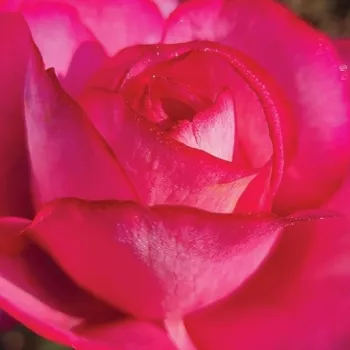
GUIGNOL – deep pink hybrid tea rose - Orard
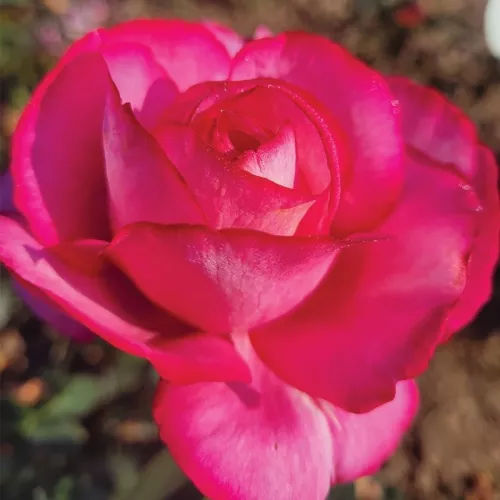
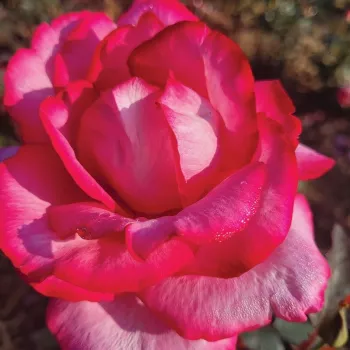
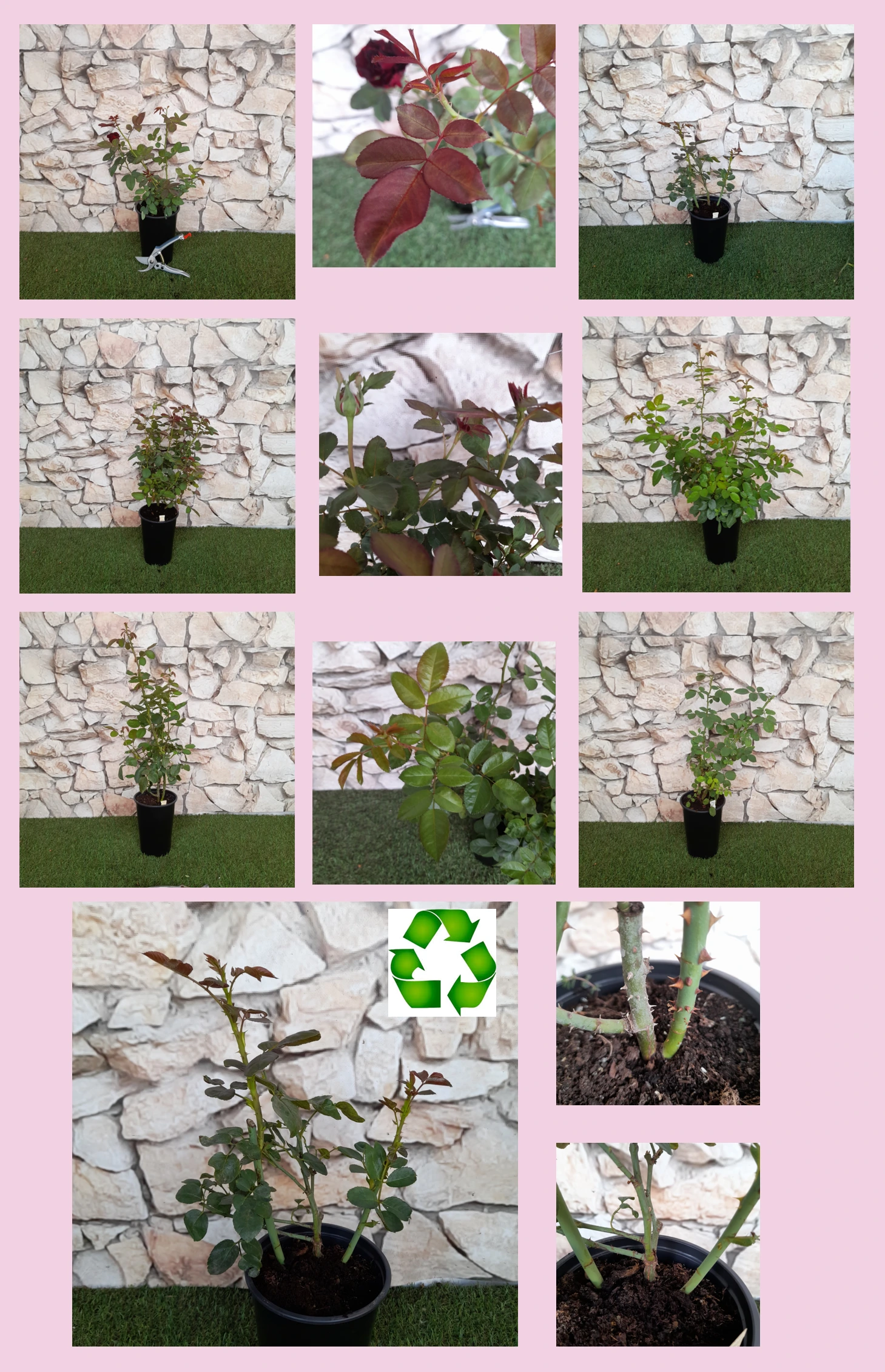
This refined hybrid tea provides elegant high-centred blooms in a rich, deep pink that stays vibrant even in strong light, bringing classic cutting-garden charm to modest front borders and contemporary plots alike. Its upright habit and dense, glossy foliage create a naturally tidy bush that fits beautifully into small beds, low hedges or mixed cottage-style plantings. Remontant flowering gives a reliably lasting display, while the medium, clearly perceptible fragrance adds a romantic note to paths and seating areas. As an own-root rose it builds strength gradually for a long-lived, stable bush that recovers well if ever cut back hard, with the familiar rhythm of year one roots, year two structure, year three full ornamental value. Well suited to typical British gardens where you may face heavy rain and wind, it settles into borders or large containers with reassuring reliability for gardeners seeking graceful, manageable colour rather than complicated maintenance.
Usage options
| Target area |
Reasoning |
| Front garden statement rose |
Plant as a focal shrub near the entrance or along a short front path where its refined, high-centred flowers and dense, glossy foliage can be appreciated up close. The upright habit keeps the plant visually tidy, ideal when you want an elegant effect without intricate design work, particularly for the style-conscious beginner. |
| Cutting patch or cutting corner |
Grow a small group in a sunny bed or dedicated cutting corner to enjoy classic hybrid tea stems for the vase. The medium-sized, high-centred blooms and repeat flowering give a steady succession of stems through the season, so you can cut regularly without leaving the garden bare, suiting the home flower-arranging enthusiast. |
| Small mixed border with perennials |
Integrate with compact perennials and grasses where the deep pink flowers provide strong colour accents among softer planting. The upright, relatively narrow spread makes spacing straightforward in modest borders, and the own-root form develops into a balanced, durable bush that rewards the long-term planning homeowner. |
| Low, formal rose row or hedge |
Use at 40–50 cm spacing along a drive or boundary to create a low, structured line of colour. The consistent height and straight habit lend themselves to a quietly formal look, while regular dead-heading maintains bloom production and a neat outline, manageable even for the time-pressed garden keeper. |
| Large patio container (40–50 litres) |
Plant in a substantial 40–50 litre container for terraces or paved front gardens where border space is limited. The concentrated vertical growth and medium height work well in pots, and own-root resilience allows the plant to re-shoot strongly after seasonal pruning, reassuring for the small-space gardener. |
| Cottage-style rose group of 3 |
Arrange three plants in a loose triangle in a small bed for an abundant, yet ordered cottage feel. The repeat flowering and deep, consistent colour give a long season of interest, while the plant adapts well over time even in sites exposed to frequent rain and wind, appealing to the traditional front-garden lover. |
| Perfumed seating-area feature |
Position near a bench or terrace where you pass frequently, so the medium-strength, classic rose scent can be enjoyed without overpowering the space. The manageable size keeps views open, while the own-root structure supports steady regrowth and flowering year after year, ideal for the relaxation-seeking owner. |
| Long-term decorative accent in family gardens |
Use as a reliable accent within a family lawn-and-bed layout, where robust structure and adaptable growth matter more than show-bench perfection. Once established, the own-root plant forms a durable framework that can be rejuvenated if needed, supporting many seasons of colour for the practical, low-fuss family. |
Styling ideas
- Cottage Focus – Group GUIGNOL with lavender, catmint and Lychnis alpina ‘Magenta’ for a soft-edged, high-colour cottage look that stays fairly upright – ideal for front-garden romantics.
- Formal Line – Plant a straight row along a path with low box or Ilex crenata edging to emphasise its regular height and glossy foliage – suitable for symmetry-loving homeowners.
- Patio Showcase – Place one plant in a 50-litre terracotta pot with soft underplanting of trailing thyme to highlight flowers and fragrance on a small terrace – perfect for balcony and courtyard users.
- Cutting Corner – Dedicate a sunny rectangle with GUIGNOL in the centre, framed by annuals such as cosmos, to provide reliable stems without disturbing main borders – good for home florists.
- Mixed Texture – Combine with ornamental grasses and Gaillardia x grandiflora so the deep pink blooms rise cleanly above looser textures – attractive for contemporary-style gardeners.
Technical cultivar profile
| Characteristic |
Data |
| Name and registration |
Hybrid tea rose, registered as ORAbrica, marketed as Guignol hybrid tea rose ORAbrica; an exhibition-quality, deep pink hybrid tea suitable for both garden and cutting use. |
| Origin and breeding |
Bred by Pierre Orard at Roseraies Orard, Feyzin, France, with parentage not disclosed; introduced and registered in 2019, representing a modern hybrid tea line for ornamental gardens. |
| Growth and structural characteristics |
Upright, compact bush reaching about 80–110 cm high and 40–60 cm wide, with dense, dark glossy foliage and moderate prickliness; forms a neat, vertical presence in borders and containers. |
| Flower morphology |
Medium-sized, double, 26–39 petal blooms with high-centred, pointed-budded form borne mainly singly on stems; remontant with particularly abundant second flush, suitable for cutting and display. |
| Colour data and phenology |
Deep pink (RHS 57B outer, 65C inner) buds opening to bright, full pink before softening to rosy-salmon with a faint silvery sheen; generally retains colour well, with only slight lightening in strong sun. |
| Fragrance and aroma |
Medium-strength, clearly perceptible classic rose scent, noticeable in still air without being overpowering; well suited to seating areas where a refined, traditional fragrance is appreciated. |
| Hip characteristics |
Hip set is usually sparse due to the full double flowers; where formed, hips are small, ellipsoid, about 10–14 mm, orange-red (RHS 34A), adding modest late-season interest without heavy seeding. |
| Resistance and winter hardiness |
Hardy to approximately –21 to –18 °C (RHS H7, USDA 6b, Swedish zone 3) with medium tolerance to powdery mildew, black spot and rust; benefits from standard rose care and regular watering in drought. |
| Horticultural recommendations |
Best in sunny sites with well-prepared soil; plant at 40–50 cm for rows or 90 cm as specimen, 4–4.6 plants/m² for massing; suitable for borders, cutting, larger containers and solitary ornamental use. |
GUIGNOL hybrid tea rose ORAbrica offers elegant deep pink blooms, classic fragrance and a neat upright habit, while its own-root form supports long-term resilience and dependable growth; a thoughtful choice for enduring garden structure and colour.