GRUSS AN TEPLITZ – deep crimson historic China rose - Geschwind
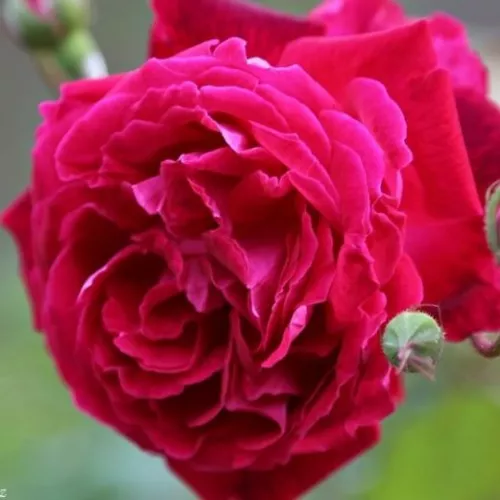
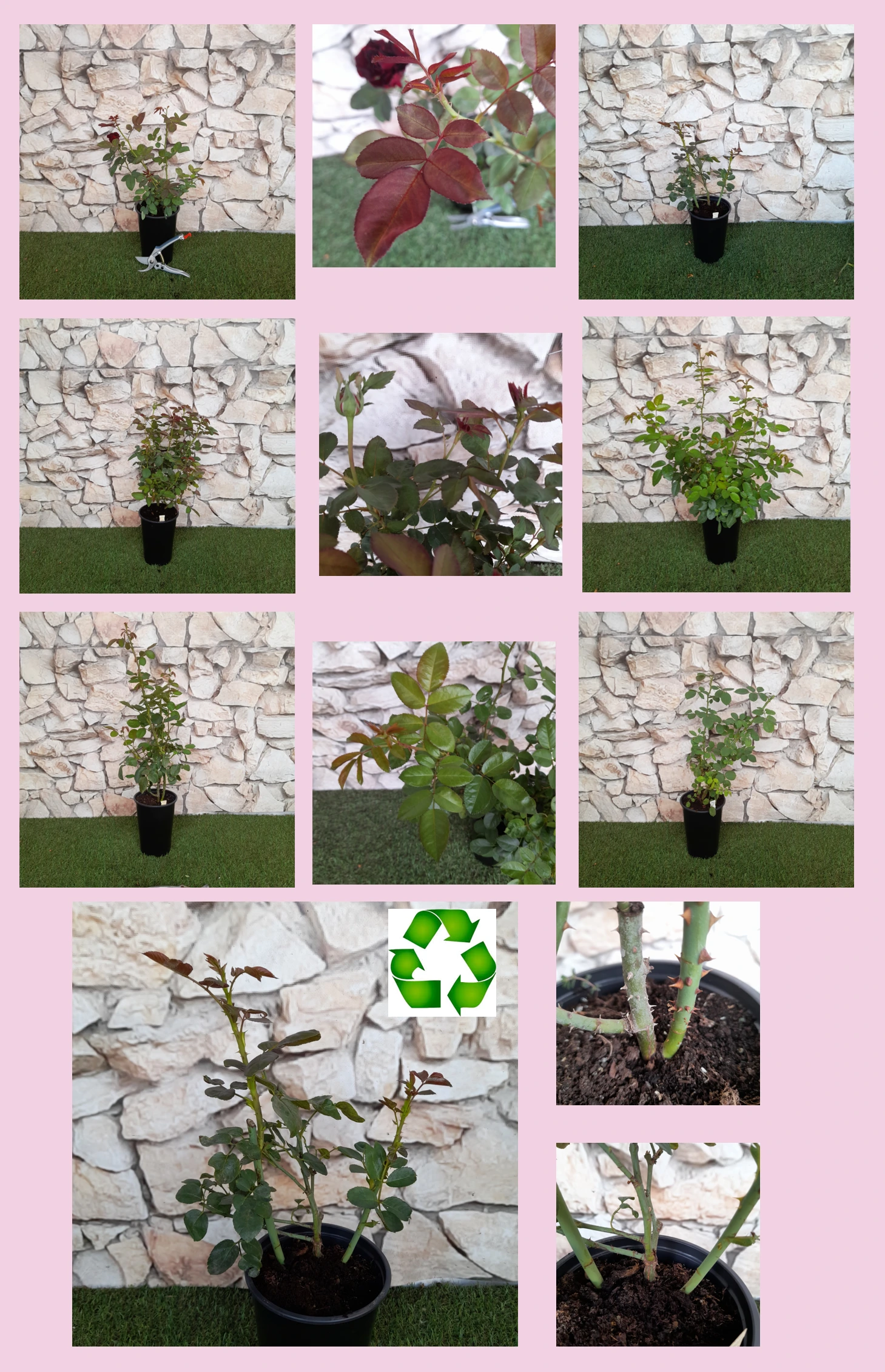
This celebrated historic China rose brings together sumptuous colour, lasting fragrance and robust garden performance in a form that fits effortlessly into today’s family gardens. Its crimson, cupped blooms repeat generously through summer, giving an authentic period character without demanding fussy care. As an own-root plant it settles deeply, supporting a long-lived, stable structure that copes well with blustery, damp British weather and heavier soils when given basic drainage. Medium height and bushy, upright growth make it easy to place in small beds, front gardens or cottage-style borders. Planted once and kept watered and fed, it moves naturally from strong roots in the first year to fuller top growth in the second and convincing ornamental impact by the third, giving dependable, classic charm for many seasons of relaxed garden enjoyment.
Usage options
| Target area | Reasoning |
|---|
| Front garden feature shrub |
The bushy, upright habit and medium height allow this historic rose to sit comfortably by a doorway, path or low window without overwhelming a small space. Reliable repeat flowering keeps the front garden looking cared-for even with minimal intervention, suiting busy homeowners. |
| Cottage-style mixed border |
Continuous crimson blooms and antique character blend beautifully with perennials and informal planting, bringing structure and nostalgic charm. Own-root durability means the shrub knits into the border over time, giving a long-lived backbone for relaxed, flower-rich schemes ideal for cottage-garden enthusiasts. |
| Small group planting in beds |
Planting 3–5 bushes at the recommended spacing creates a generous, coherent block of colour without complex design work. The rose’s good heat tolerance and moderate disease resistance reduce fuss, while self-cleaning flowers help beds look tidy for time-pressed gardeners. |
| Low informal hedge or boundary line |
Regular repeat bloom and a moderately thorny framework make an attractive, gently deterrent, flowering barrier along paths or driveways. Own-root resilience supports even regrowth if a stem is damaged, building a dense, lasting line suited to family households. |
| Classic park-style specimen |
As a single focal bush on a lawn or gravel area, the strong fragrance and historic form echo traditional park roses. Its moderate maintenance needs and reliable rebloom allow a smart effect with basic pruning and feeding, appealing to heritage-rose admirers. |
| Cut flowers from the home garden |
Clustered medium blooms with a rich, spicy scent provide characterful stems for informal indoor arrangements. Good repeat flowering means you can cut regularly without stripping the shrub, making it rewarding for home flower arrangers. |
| Roses for heavier or exposed sites |
Once established, the robust root system and sturdy framework help the plant cope with wetter, breezier British positions where some modern roses struggle, provided you give reasonable drainage, reassuring challenging-site gardeners. |
| Large container on patio or terrace |
In a well-drained container of at least 40–50 litres, this medium-sized, upright shrub provides height, fragrance and colour close to seating areas. Repeat bloom and manageable size keep the display satisfying with simple watering and light pruning for balcony-and-patio owners. |
Styling ideas
- COTTAGE TRIO – Combine with Nepeta x faassenii and Brunnera for a soft blue-and-crimson tapestry that flowers over a long season – for lovers of informal, romantic front gardens.
- HISTORIC ACCENT – Place a single plant by a gate or front step to echo period townhouses while staying compact and manageable – for owners of traditional terraces and semis.
- CRIMSON RIBBON – Line a path or low fence with evenly spaced bushes to form a gently protective, fragrant border – for families wanting structure without heavy maintenance.
- PATIO CENTREPIECE – Grow one rose in a 50-litre terracotta pot, underplanted with low herbs, to bring colour and scent to seating areas – for busy urban gardeners with limited ground.
- HERITAGE BED – Group 3–5 plants in a small rectangular bed, edged with box or low evergreen, for a formal yet easy-to-care historic rose display – for enthusiasts of classic garden layouts.
Technical cultivar profile
| Parameter | Data |
|---|
| Name and registration |
Gruss an Teplitz – historic China rose from the Geschwind breeding line; unregistered variety with ARS exhibition name identical to its long-established trade name. |
| Origin and breeding |
Bred by Rudolf Geschwind, Hungary, introduced by Peter Lambert (Germany) in 1897; complex China and Hybrid Tea background from (‘Sir Joseph Paxton’ × ‘Fellenberg’) × (‘Papa Gontier’ × ‘Gloire des Rosomanes’). |
| Awards and recognition |
Included in the World Federation of Rose Societies Old Rose Hall of Fame since 2000; American Rose Society garden rating 8.0, confirming long-term reliability and value for collectors. |
| Growth and structural characteristics |
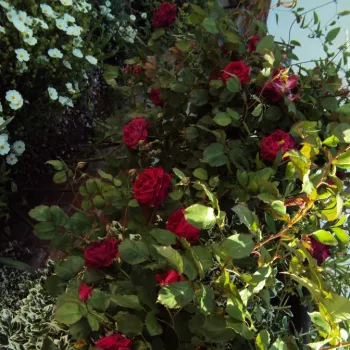
Bushy, upright shrub 120–170 cm high and 75–110 cm wide, with moderately dense, slightly glossy mid-green foliage and moderate prickliness, forming a well-balanced framework in borders and beds. |
| Flower morphology |
Medium-sized, double, cupped blooms with 26–39 petals, borne in clusters of 3–7 per stem; repeats strongly with an abundant second flush, maintaining ornamental value across the season. |
| Colour data and phenology |
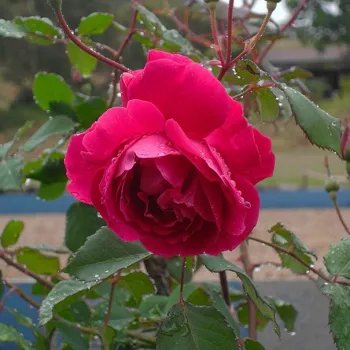
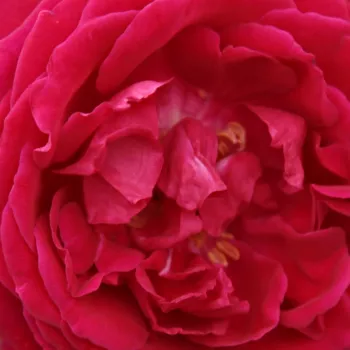
Crimson-red base tone with carmine tint; buds dark ruby, flowers vivid purplish crimson deepening centrally, then velvety burgundy before modest fading in strong sun, best depth in cooler conditions. |
| Fragrance and aroma |
Strong, rich, spicy scent with long-lasting character, noticeable at close range and around the shrub in still conditions, adding traditional rose perfume to seating areas and paths. |
| Hip characteristics |
Hip set usually light; where present, small spherical hips 8–12 mm, bright red (RHS 46A), offering a discreet seasonal accent without detracting from flower production. |
| Resistance and winter hardiness |
Good heat and moderate drought tolerance when watered in prolonged dry spells; hardy to around –18 to –21 °C (RHS H7, USDA zone 6b), with resistance to powdery mildew and black spot, rust moderate. |
| Horticultural recommendations |
Best in sunny positions with well-drained soil; plant 55–100 cm apart depending on use, at 2.5–3 plants/m² for massing. Maintenance medium: deadhead, prune annually, and provide occasional plant protection if required. |
Gruss an Teplitz offers repeat crimson bloom, strong fragrance and a durable own-root shrub that settles in for years of easy-care colour, making it a thoughtful choice if you prefer dependable beauty with modest effort.