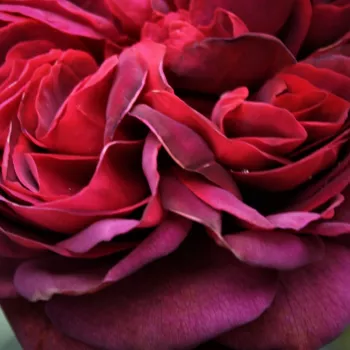
GRÄFIN DIANA® – burgundy-red hybrid tea rose – Kordes
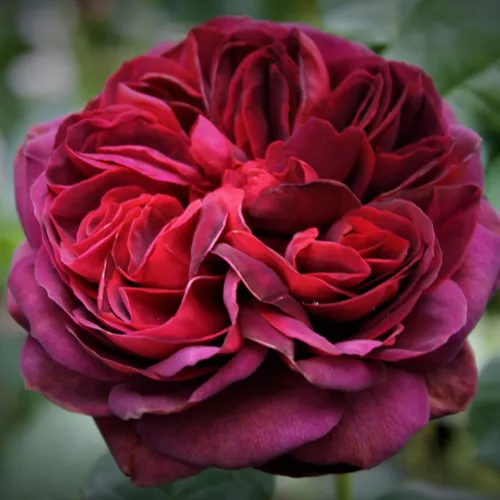
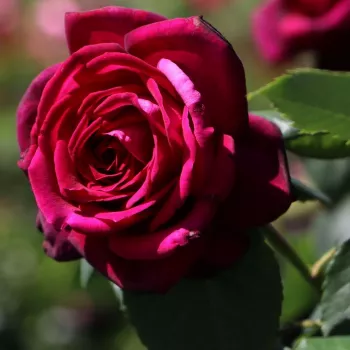
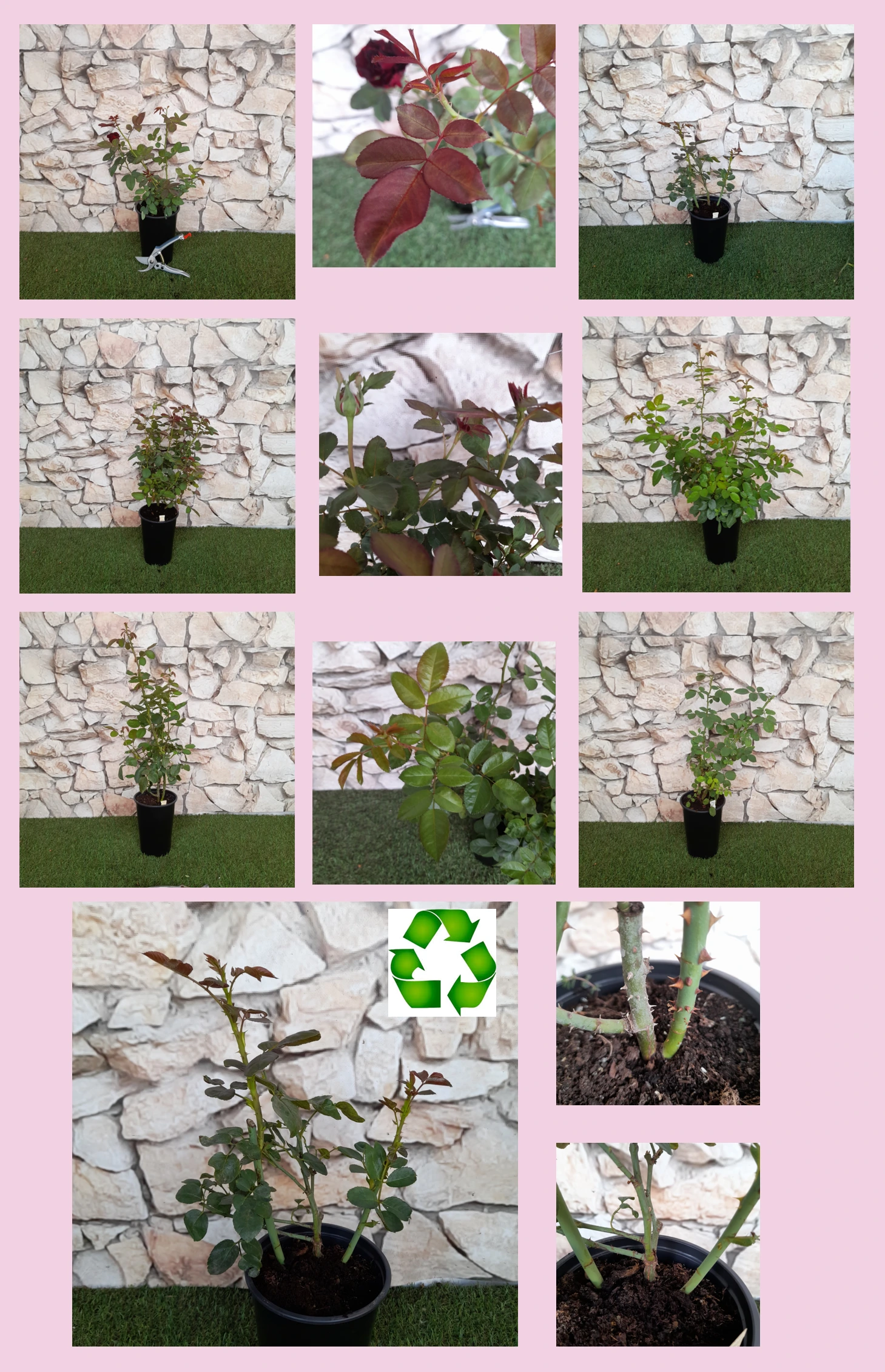
Velvety burgundy-red blooms, a fruity and spicy perfume and classic hybrid tea form make Gräfin Diana® an indulgent choice for small British gardens where you want drama with minimal fuss, even in areas where coastal winds bring extra moisture and cool air. This Parfuma® rose arrives as a well-rooted, own-root plant in a 2-litre container, ready to settle and form a stable, long-lived bush for everyday gardens. Upright and compact, it fits neatly into front borders or beside a path, while its long-stemmed, solitary flowers are perfect for cutting. Over time, its own-root habit supports reliable regrowth, so with simple care you can enjoy a steady display from a single, elegant specimen or a small group rather than complex rose beds. Expect a romantic focal point in year one, stronger shoots and flower power by year two, and full ornamental presence by year three as the plant fully matures. Well remontant, it rewards regular deadheading with repeat flushes, especially when planted in sunny or lightly shaded spots with decent soil structure and straightforward seasonal feeding. For busy gardeners who prize fragrance and colour impact, it delivers a richly coloured highlight without demanding large-scale landscaping.
Usage options
| Target area | Reasoning |
|---|
| Front garden specimen by the path |
The upright, compact habit suits the average front garden, creating a tidy single-bush feature that does not overwhelm the space but still offers full-size hybrid tea blooms. Planted near a gate or path, its very strong scent greets you on everyday comings and goings, supporting fragrance-focused beginners. |
| Cottage-style mixed border |
Deep burgundy-red, velvety flowers thread beautifully through cottage-style planting, combining well with soft pinks, creams and blues. Its repeat flowering brings renewed colour through the season, anchoring looser mixes of perennials and annuals without complicated pruning schemes, ideal for style-conscious cottage gardeners. |
| Small group in a front bed |
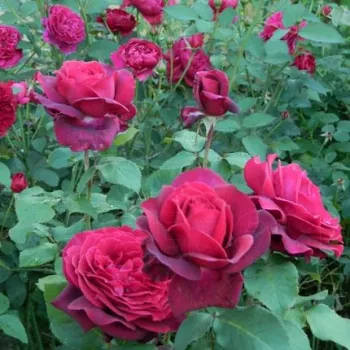
Planting three to five bushes at the recommended distances creates a compact, high-impact block of colour with long stems for cutting, while still keeping the area easy to maintain. Regular feeding and deadheading are simple routine jobs, making this layout manageable for busy family gardeners. |
| Feature rose in a large container |
In a 40–50 litre pot with quality compost and drainage, it performs as a movable focal point for patios or near seating, allowing you to place the fragrance where it is most appreciated. Container culture also helps manage soil conditions and moisture for urban balcony or terrace users. |
| Around-the-house ornamental bed |
Along a sunny house wall or beside a front-door bed, its strong perfume and classic, solitary blooms provide a welcoming touch. The own-root form supports long-term regrowth from the base, so with basic seasonal care it remains a stable, decorative presence for practical homeowners. |
| Cutting patch in a small garden |
The tall stems and large, rosette-shaped, very double flowers are ideal for vases, allowing you to harvest scented blooms without stripping the whole border. A short row or corner patch can supply regular stems through the season, appealing to home florists and cut-flower enthusiasts. |
| Part-shade side border |
Suitable for partial shade, it can bring strong colour and scent to side-path borders that receive only part-day sun, areas often neglected in family gardens. With decent air movement to offset humid conditions typical of coastal-influenced sites, it adapts well for time-pressed householders. |
| Focal point in a formal rose bed |
Its award-winning fragrance and rich, even colour make it a natural centrepiece for small formal beds edged with low perennials or box. Given regular plant health care and simple winter pruning, it repays attention with reliable structure and bloom, rewarding committed hobby gardeners. |
Styling ideas
- Doorway-Drama – Place one plant by the front door with creamy perennials like Alchemilla and white violas to frame the entrance – ideal for homeowners who want instant elegance without redesigning the whole garden.
- Cottage-Contrast – Mix with pale pink roses, nepeta and white foxgloves so the burgundy blooms punctuate a soft cottage palette – for romantic gardeners seeking colour depth in small borders.
- Patio-Perfume – Grow in a 40–50 litre terracotta pot with trailing sweet alyssum at the base for a scented seating-area centrepiece – perfect for balcony or terrace users wanting maximum fragrance in limited space.
- Evening-Corner – Combine with white Liatris spicata ‘Alba’ and silver foliage plants in a side bed, where the dark blooms stand out at dusk – suited to busy workers who most enjoy the garden after work.
- Classic-Row – Plant a short row along a path or drive, underplanted with low Sedum spurium for neat ground cover and minimal weeding – for tidy-minded garden owners who like clear structure and easy routines.
Technical cultivar profile
| Parameter | Data |
|---|
| Name and registration |
Hybrid tea rose from the Parfuma® collection; registered as KORdiagraf, marketed as Gräfin Diana® Parfuma®; ARS exhibition name Gräfin Diana for show and cut-flower use. |
| Origin and breeding |
Bred by Tim-Hermann Kordes (Germany) from Chartreuse de Parme × (Esther Geldenhuys × seedling); introduced by W. Kordes’ Söhne in 2012 for garden and exhibition cultivation. |
| Awards and recognition |
Holds the ADR award (Germany, 2014) plus multiple international fragrance and rose trial prizes from Germany, France, the Netherlands, Australia and the Czech Republic. |
| Growth and structural characteristics |
Upright, bushy, slightly columnar hybrid tea, about 100–140 cm tall and 65–95 cm wide, with dense, glossy dark green foliage and moderate prickliness; suits specimens, groups and large containers. |
| Flower morphology |
Large, very double, rosette-shaped blooms with 40+ petals borne mainly singly on stems; well remontant, providing strong first flowering followed by an abundant second flush with good deadheading. |
| Colour data and phenology |
Deep, velvety burgundy-red with subtle blackish shading; buds almost black-burgundy, flowers fade gently towards ruby red without browning; colour deepens in cool weather and softens slightly in heat. |
| Fragrance and aroma |
Very strong, garden-filling fragrance with fruity and spicy notes; designed as a perfumed garden and cut-flower rose, though very double form limits value for pollinators compared with simpler roses. |
| Hip characteristics |
Rosehip production is generally low due to very double flowers, but the plant may occasionally set small spherical orange-red hips about 6–10 mm in diameter, adding modest late-season interest. |
| Resistance and winter hardiness |
Hardy to around −21 to −18 °C (RHS H7, USDA 6b, Swedish zone 3); very susceptible to black spot, powdery mildew and rust, so benefits from regular monitoring and timely plant-protection measures. |
| Horticultural recommendations |
Best in fertile, well-drained soil with full sun or light shade; requires attentive disease management, feeding and deadheading; spacing 50–90 cm depending on use, or a 40–50 litre pot for container culture. |
GRÄFIN DIANA® rewards you with velvety colour, powerful fragrance and elegant, long-stemmed blooms on a durable own-root plant that can grace your garden for years, making it a thoughtful choice if you want lasting impact from a single rose.