Historic Rose

53-086-1
53-086-2

Gloire de Dijon

Historic rose

- – Pierre Jacotot; Henri Jacotot

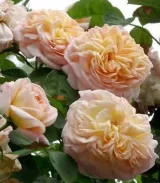
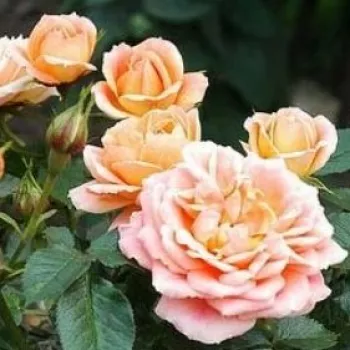
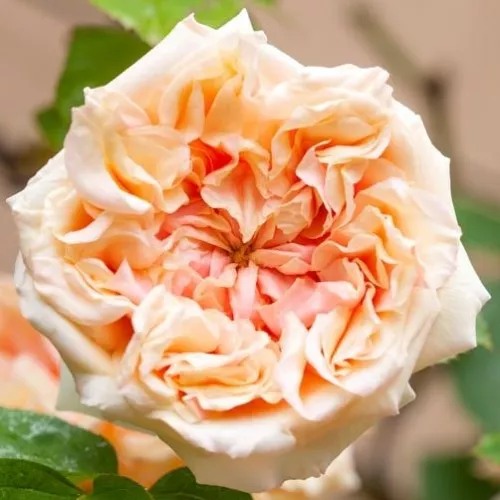
Soft creamy-peach base colour, deepened at the bases of the petals by delicate rosy shades. - historic, rambler, climber, groundcover rose - very strong, garden-filling scented rose - rich, tea-fruity

– Historic Gloire de Dijon with rich heritage
– Very strong, garden‑filling tea‑fruity scent
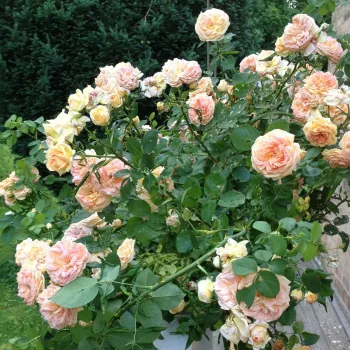
– Vigorous climber for walls, arches and arbours
– Good disease, heat and drought resistance
– Abundant repeat flowering with large rosettes
Special feature: Celebrated classic with WFRS Old Rose Hall of Fame and RHS Award of Garden Merit.
Future-proof garden concept – Water-wise
Gloire de Dijon
pharmaROSA® ORIGINAL 2-litre own-root potted rose
22,90 £
Unfortunately, we are currently unable to ship to the United Kingdom; we only deliver to countries within the European Union. For more information, please contact us!
4 (5822)
facebook   twitter

Gloire de Dijon – apricot historic rambler-climbing rose

Historic charm meets modern reliability in Gloire de Dijon, a celebrated 19th‑century climber that still earns its place in today’s family gardens. Its richly scented, very double rosette blooms open in soft creamy‑peach and apricot tones, creating a romantic backdrop for classic British front gardens, cottage mixes and around‑the‑house plantings. With naturally good disease resistance and low maintenance needs, it is well suited to busy gardeners who want a rose that “just works” once planted. As an own‑root plant, it anchors itself deeply, adapting steadily to your soil and aspect for a long, stable life in the garden. Over the first three years it builds roots, then framework, then full impact, so you can enjoy dependable flowering without complicated care. It tolerates partial shade, making it ideal for north‑ and east‑facing walls that still deserve colour and fragrance, and it responds well to simple, flexible pruning rather than precise training. This makes it especially reassuring where you need a strong‑growing climber that also copes well with wetter, wind‑exposed British weather and heavy soils that benefit from raised‑bed style planting for better drainage.


Usage options

Target areaReasoning
Front house wall or garage wall climber Its vigorous climbing habit and tall height create a generous curtain of apricot blooms on plain brick or render, giving strong street‑side presence with little upkeep once established. Good disease resistance and low maintenance needs mean you mainly train and tie in new stems, with only occasional deadheading and thinning, so it suits those wanting a handsome, long‑lived wall rose without frequent spraying or specialist care, particularly busy beginners.
Cottage‑style rose arch or arbour The very double, rosette flowers and rich, tea‑fruity scent lend themselves perfectly to romantic cottage entrances, arches and garden “rooms”, providing both bloom and fragrance at nose height. Remontant flowering with an abundant second flush means your arch does not look bare after early summer; instead, it continues to flower through the season with modest feeding and watering. Simple tying‑in of the supple canes encourages graceful coverage, ideal for cottage‑garden lovers.
Family seating area or patio backdrop The very strong, garden‑filling fragrance makes it exceptional near patios, benches and outdoor dining spaces, where its perfume can be enjoyed on warm evenings with minimal gardening effort. Planting it behind seating or along a boundary trellis allows the scent to drift through open doors and windows, turning ordinary patios into atmospheric spots without complicated design work. This suits fragrance‑oriented gardeners seeking easy reward, especially scent enthusiasts.
Part‑shaded north or east‑facing boundary Its proven tolerance of partial shade allows successful planting where many roses struggle, such as east‑facing house walls or lightly shaded side passages. Even with only morning or filtered sun, it produces reliable flowering if the soil is reasonably prepared and kept moist, meaning you can brighten awkward boundaries without constant attention. This is reassuring for gardeners dealing with less‑than‑ideal light levels, including urban homeowners.
Low‑maintenance, long‑term pergola or fence planting As an own‑root, historic climber, it forms its structure gradually in its final position, giving a long lifespan and the ability to regenerate from the base after hard pruning or winter damage. Once the main framework is established, yearly pruning can be as simple as removing old, unproductive stems and shortening laterals, with no need for complex training systems. This makes it valuable where you want a dependable, “plant and live with it” rose, ideal for time‑pressed gardeners.
Mixed perennial and shrub border feature The soft apricot and creamy‑peach tones blend easily with perennials and shrubs, adding a gentle vertical accent when trained on obelisks, tripods or light fencing within the border. Its moderately dense, dark green foliage helps knit together planting schemes while the repeat flowering extends interest beyond peak perennial season, all with modest feeding and routine watering. This suits visually driven gardeners planning coordinated borders, especially design‑conscious beginners.
Historic‑style or traditional front garden scheme As a celebrated 1853 historic rose with major international awards, it brings genuine period character to traditional British front gardens and heritage‑inspired schemes. Its combination of old‑rose form, subtle colour shifts and healthy foliage allows you to reference Victorian style without accepting poor performance, and it copes well with typical UK rain and wind when planted in reasonably drained soil. This is attractive to those recreating classic looks, particularly heritage enthusiasts.
Raised bed or improved heavy‑soil planting Good heat and drought tolerance, together with own‑root resilience, allows it to settle well in improved heavy or clay soils when planted into slightly raised, well‑drained beds that reduce waterlogging around the crown. Over time it forms a robust root system that supports strong top growth, so even exposed sites with humid, changeable weather can enjoy lasting cover and flowering with a straightforward care routine; this benefits practical home‑gardeners.

Styling ideas

  • VictorianEntrance – Train Gloire de Dijon over a wrought‑iron arch with lavender and catmint at the base for a period front‑door welcome – ideal for heritage‑minded homeowners.
  • CottageScreen – Use it on a rustic trellis with foxgloves, campanulas and daisies to form a softly coloured, low‑maintenance screen – suited to relaxed cottage‑garden fans.
  • PatioPerfume – Plant beside a seating terrace, underplanted with hardy geraniums, to maximise fragrance and repeat bloom with minimal intervention – perfect for evening‑garden enjoyers.
  • ShadeSoftener – Soften a part‑shaded side passage by training it along a fence, combined with ferns and hostas for foliage contrast – useful for owners of awkward, narrow plots.
  • HistoricPergola – Cover a wooden pergola with this climber and partner it with white clematis and pale roses for a classic, award‑worthy look – best for traditional‑style gardeners.

Technical cultivar profile
ParameterData
Name and registration Historic Noisette rambler rose marketed as Gloire de Dijon, a renowned climber and park rose; unregistered cultivar name but widely standardised in garden and show use.
Origin and breeding Bred by Pierre and Henri Jacotot in Dijon, France around 1850, from ‘Desprez à fleurs jaunes’ × ‘Souvenir de la Malmaison’; introduced commercially in 1853 by Jacotot nurseries.
Awards and recognition Inducted into the World Federation of Rose Societies Old Rose Hall of Fame in 1988 and granted the Royal Horticultural Society Award of Garden Merit in 1993 for garden performance.
Growth and structural characteristics Strong, tall climbing rose reaching about 3.8–6.5 m in height with a 1.2–2.4 m spread; moderately dense, dark green glossy foliage and moderate prickliness; weak self‑cleaning spent blooms.
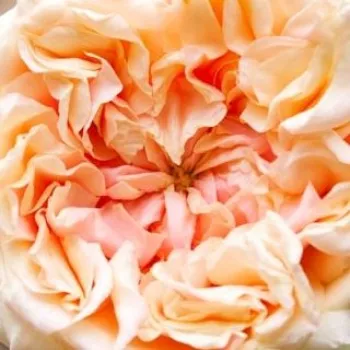
Flower morphology Large, very double rosette blossoms with over 40 petals, typically borne in clusters; remontant habit with a notable second flush extends seasonal display across the main garden months.
Colour data and phenology Soft creamy‑peach and apricot blooms with rosy shadings; buds deep yellow with peach‑pink tips; colours lighten and may fade in strong sun and heat, but remain gentle and harmonious in borders.
Fragrance and aroma Very strong, garden‑filling perfume combining classic tea and fruity notes; ideal for positioning near paths, doors and terraces; fully double flowers offer only moderate value for pollinating insects.
Hip characteristics Produces moderate numbers of small ellipsoidal orange‑red hips, about 9–15 mm in diameter, adding a discreet autumn accent rather than a dominant fruiting display in the garden scene.
Resistance and winter hardiness Good overall disease resistance with particular strength against powdery mildew, black spot and rust; hardy to approximately −15 to −12 °C, corresponding to RHS H6 and USDA zone 7b conditions.
Horticultural recommendations Best used as a climber on walls, arches, arbours or pergolas; tolerates partial shade; plant roughly 1.1–2.0 m apart depending on use; water during prolonged drought and deadhead to tidy displays.

Gloire de Dijon offers richly scented historic blooms, reliable disease resistance and adaptable own-root longevity, making it a thoughtful choice when you want a characterful climber that will quietly reward you for years.
Detailed product attributes

Product Identification Data

Product Name: GLOIRE DE DIJON – apricot historic rambler-climbing rose - Jacotot & Jacotot
Product Type: pharmaROSA® ORIGINAL - 2-litre own-root potted rose
Cultivar Authenticity: Verified:18.08.2025
Cultivar Quality Rating: premium silver
Item Number: [936] 53-086 (14.02.2026) pharmarosa.co.uk

Name and Registration

Meaning of Cultivar Name: The name means the glory of Dijon.
Cultivar Synonym: Old Glory; Glory of Dijon
Original Trade Name: Gloire de Dijon
Current Trade Name: Gloire de Dijon Historic rose Jacotot & Jacotot
Rose Group: Noisette, Historical roses, Rambler
Commercial Type: historic, rambler, climber, groundcover rose
Commercial Group: Historical rose
Exhibition Category: climbing rose; park rose
Collection: Historic rose

Origin and Breeding

Initial Distributor: Jacotot, Dijon (France)
Registration Year: unregistered variety
Breeder: Pierre Jacotot; Henri Jacotot
Breeding Company / Institution: Jacotot nurseries (Dijon)
Breeding Year: France, 1850
Parentage: ‘Desprez à fleurs jaunes’ × ‘Souvenir de la Malmaison’

Awards and Honours

Global and Lifetime Awards: World Federation of Rose Societies – Old Rose Hall of Fame (1988)
Horticultural Ratings and Recommendations: RHS Award of Garden Merit (1993)
Competition and Show Awards: World Federation of Rose Societies – Old Rose Hall of Fame (1988); Royal Horticultural Society – Award of Garden Merit (1993)

Growth and Structural Characteristics

Height: 12.5-21.3ft (380-650 cm)
Spread: 3.9-7.9ft (120-240 cm)
Growth Habit: climbing
Foliage: The variety's foliage is moderately dense. The leaves have a slightly glossy surface and a dark green hue.
Prickliness: moderately thorny
Self-Cleaning Description: A significant proportion of the spent blooms remain on the plant and require manual deadheading.
Self-Cleaning Intensity: self-cleaning: weak

Flower Morphology

Flower Fullness: very double-flowered
Flower Shape: rosette
Flower Size: L (2,75-3,95 in)
Inflorescence Type: clustered
Colour Code: ARS code: YB RHS code: 14C, 22C
Repeat Flowering: Remontant, with an abundant second flowering.

Colour Data and Phenology

Colour: apricot
Flower Colour Description: Soft creamy-peach base colour, deepened at the bases of the petals by delicate rosy shades.

Closed Bud: Deep yellow bud with a slight peach‑pink tint at the tip.

Newly Opened Flower: Creamy apricot tones with brighter golden‑apricot highlights towards the centre.
Full Bloom: Uniform beige-peach shade, with a faint rosy sheen on the undersides of the petals.
Before Fading: The outer petals fade to ivory, the centre to a pastel peach cream.
Colour Fading Description: In strong sunlight the colour lightens, and in hot conditions it fades.

Fragrance and Aroma

Fragrance Strength: very strong, garden-filling scented rose
Fragrance Character: rich, tea-fruity
Pollinator Attraction: Its flowers moderately attract pollinators; single or semi‑double forms with accessible stamens increase attractiveness, while fully double blooms with hidden stamens reduce pollinator access and thus attraction.
Pollinator-Friendly Rating: A heavily double-flowered cultivar that only moderately attracts pollinators, and is therefore at most partially pollinator-friendly.

Hip Characteristics

Hip Shape: ellipsoidal
Hip Colour: orange-red
Hip Comment: Moderately produced, 9–15 mm in diameter, ellipsoidal, orange‑red rose hip.

Resistance and Hardiness

Hardiness (°C): -15–-12 °C
Heat and Drought Tolerance Description: Tolerates heat well; requires watering during prolonged drought.
Disease Resistance: resistant
  • powdery mildew – resistant
  • black spot – resistant
  • rust – resistant

Horticultural Recommendations

Recommended Planting Distance: for mass planting 125 cm, for hedging 110 cm, as a specimen 200 cm
Planting Density: in square planting 0,63 plants/m², in hexagonal arrangement 0,73 plants/m²
Partial Shade Tolerance: Suitable for partial shade
Maintenance Requirement: Maintenance requirement low; good disease resistance, generally requires minimal intervention.
Primary Uses: climbing rose, pergola, wall, arbour, rose arch, specimen, cut flower

Comments

Strengths: Future-proof garden concept – Water-wise
Companion Plants: Ceanothus thyrsiflorus - Californian lilac Liatris spicata 'Kobold' - spiked gayfeather Rudbeckia fulgida - splendid coneflower
Comment: -
GLOIRE DE DIJON – apricot historic rambler-climbing rose - Jacotot & Jacotot
Soft creamy-peach base colour, deepened at the bases of the petals by delicate rosy shades. - historic, rambler, climber, groundcover rose - very strong, garden-filling scented rose - rich, tea-fruity
Online rose purchase - apricot - historic, rambler, climber, groundcover rose - Gloire de Dijon - (12.5-21.3ft (380-650 cm))
Inflorescence: clustered Height: 12.5-21.3ft (380-650 cm) Flower shape: rosette Winter hardiness: 6b apricot - Jacotot, Dijon (France) historic, rambler, climber, groundcover rose - Flower size: !- Flower size: !- - Height: 12.5-21.3ft (380-650 cm) Height: 12.5-21.3ft (380-650 cm) - Flower fullness: very double-flowered Gloire de Dijon - Roses in the garden | pharmaROSA® Original - premium silver Pierre Jacotot; Henri Jacotot

We showcase the external appearance of the roses available for online purchase from our webshop.


Which product type is right for you?


Information

In what condition do we dispatch the rose from our online webshop?

Let us ask ourselves the question: What would I like to use the rose for?
Flower? – Location? – Screening? – Fragrance? – Height? – Breeder? – Rose hip?

Rose purchasing information
Methods of payment – Delivery charges – Delivery – Complaints handling

Care guide

Our product is a rose grown with pharmaROSA®’s unique cultivation technology!

2-litre, own-root, potted rose.
With a shoot system appropriate to the season.
With a root system that thoroughly permeates the growing medium.
Quality compliant with the requirements of the E.N.A. (European Nurserystock Association).
Supplied in unique packaging that prevents damage.
Can be planted during frost-free periods.
True-to-variety rose bush with a unique identifier.

The pharmaROSA® own-root potted rose is a well-rooted plant that supports reliable establishment when planted and cared for properly, so it can be planted whenever the soil is not frozen.


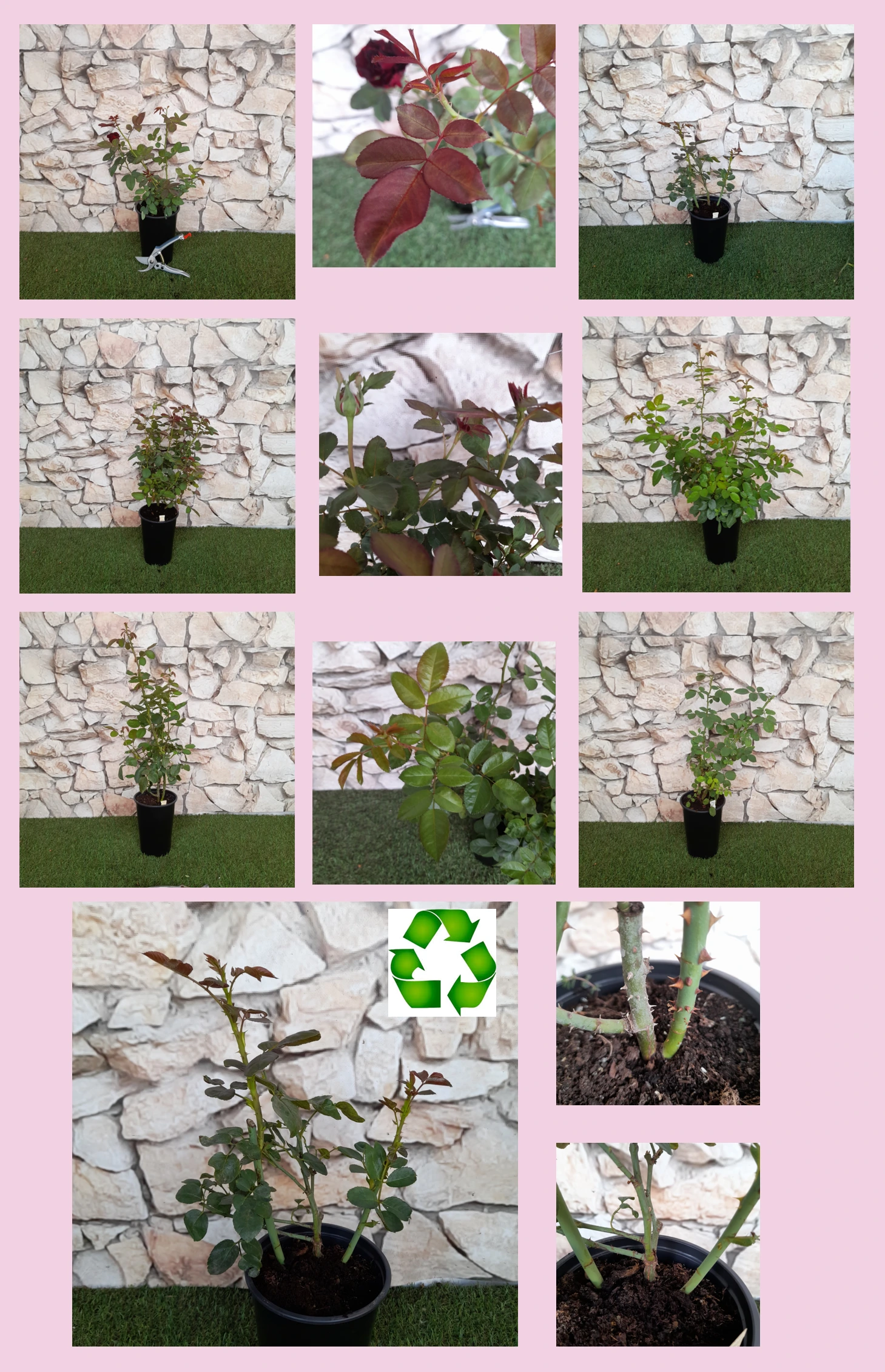
Crop overview: several varieties and growth stages in a short crop section.
Shoot system: intensive growth of fresh basal shoots on a young plant.
Root system: demonstration of a vigorous root system permeating the growing medium, by removing the pot.
Balance: mature plant with root system and shoots in harmony with each other.

Information about the videos
The video series is not a “seasonal showcase”; it illustrates the essence of pharmaROSA® own-root cultivation in a tangible way: how the plant is built up, what the root system is like and how the shoot system regenerates. The recordings were therefore made at different times and with plants at various stages of development, so mixed foliage levels and differing stages of growth may appear in the videos. They are not a ‘sample’ of the batch dispatched, but a visual explanation of how the technology works. The current condition of the rose available to order — typical for the given period and similar to what you can expect to receive in the parcel — is shown in the upper part of the product page.

pharmarosa.bepharmarosa.compharmarosa.skpharmarosa.espharmarosa.czpharmarosa.ropharmarosa.plpharmarosa.itpharmarosa.hrpharmarosa.sipharmarosa.atpharmarosa.frpharmarosa.nlpharmarosa.depharmarosa.grpharmarosa.dkpharmarosa.iepharmarosa.lupharmarosa.ptpharmarosa.bgpharmarosa.ltpharmarosa.sepharmarosa.lvpharmarosa.eepharmarosa.fipharmarosa.rudarinarose.co.uk

Product types

Pages for private customers
Garden roses for the family garden, with minimal care  → ORIGINAL®
Premium garden roses – instant impact, a truly showpiece garden  → EXTRA®
Pages for professionals and private customers
Roses for public spaces – large areas, sustainable maintenance  → NATURAL®
Roses for projects – hedge and row planting, fast implementation  → RAPID®
For professional partners only
Production – propagation material for garden roses, wholesale  → NEONATAL®

Company details

PharmaRosa Ltd.
Company registration number: 01-09-717479
VAT number: 13075314-2-43
Plant health registration no.: HU130721
Bank account (IBAN):
HU85117631891388688400000000
BIC (SWIFT): OTPVHUHB
Bank name: OTP Bank Nyrt.