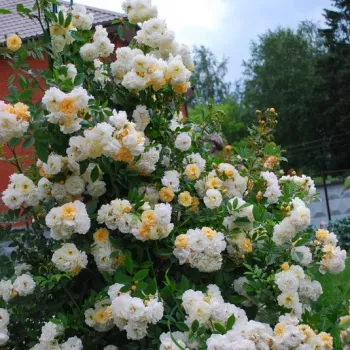
Ghislaine de Féligonde – yellow historic rambler, climbing-sprawling rose
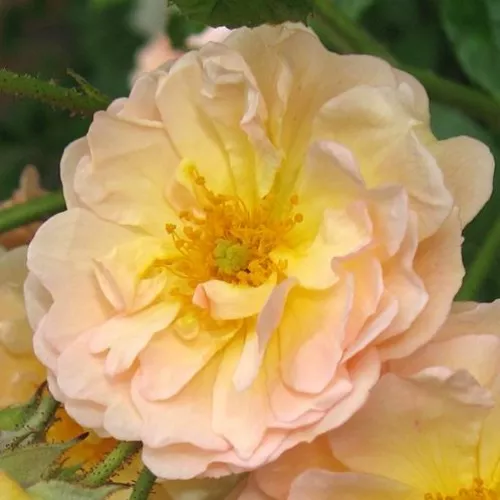
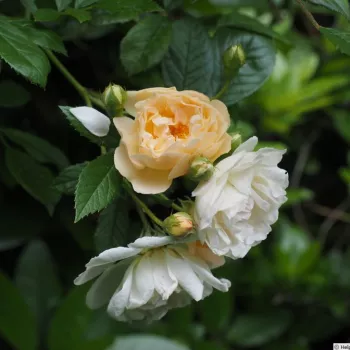
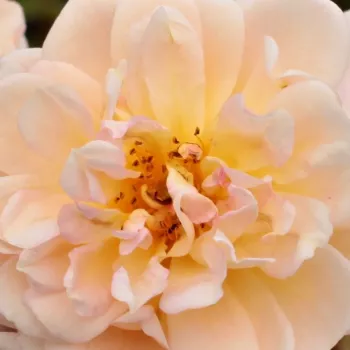
In a typical British family garden, Ghislaine de Féligonde settles in as a graceful, medium-sized rambler that gives you a romantic, cottage feel without demanding expert care. Its own-root, pharmaROSA® ORIGINAL 2-litre form makes planting refreshingly simple: you place it in good soil, water regularly and it quietly establishes into a long-lived feature, coping well even where you need better drainage on heavy ground and steady support against the wind. Early on you will notice the soft, pastel colour display: peachy-yellow buds opening to creamy, cream-yellow clusters that fade to pale tones, creating a constantly changing tapestry on arches, fences and pergolas. The medium, sweet, nectar-like fragrance adds gentle charm around seating areas and paths, while the reliable, remontant flowering brings a second flush after the first summer wave. With its barely thorny canes and dense, light green foliage, it is easy to guide along structures and work around in a family space. Over the years your own-root plant builds a stable framework of shoots and roots, so after the natural rhythm of year one roots, year two shoots and year three full ornamental value, you enjoy a mature, enduring garden presence.
Usage options
| Target area | Reasoning |
|---|
| Front-garden rose arch framing the entrance |
As a medium rambler with long, flexible canes, this rose dresses arches beautifully without overwhelming a small front garden. Its pastel clusters and medium fragrance create a welcoming approach that looks refined rather than overpowering for beginners. |
| Pergola or walkway in a family back garden |
The remontant flowering habit gives a strong early display and a lighter repeat, so a pergola or walkway gains season-long interest with limited intervention. Own-root growth supports steady regeneration and long-term structure for busy-owners. |
| Climbing accent on house walls or garage sides |
Ghislaine de Féligonde climbs steadily with dense foliage and moderate height, softening walls and outbuildings in an around-the-house ornamental scheme. It copes well when trained on sheltered, draining structures where coastal breezes are filtered for homeowners. |
| Fence-covering rambler for privacy and screening |
The combination of good height and 160–300 cm spread makes it ideal for covering garden boundaries with a gentle, historic look. Own-root longevity helps maintain a stable screen over many years without frequent replacement for planners. |
| Partial-shade corner near seating or patios |
This rose tolerates partial shade, so it still flowers and scents lightly shaded corners where many other ramblers struggle. The sweet, medium fragrance and light-coloured blooms brighten spots by terraces or benches for relaxation-seekers. |
| Small group planting in cottage-style borders |
Planting 1–3 specimens in a mixed border lets the soft yellow and rosy tints weave through perennials and shrubs. Historical character and classic colouring complement cottage-garden favourites without clashing or appearing formal for style-lovers. |
| Low-thorn family path-side climber |
With barely thorny canes, this variety is more comfortable beside frequently used paths or play areas than many ramblers. It offers height and romance while remaining easier to prune and tie in safely along routes for families. |
| Large container on terrace with vertical support |
In a well-watered, 40–50 litre or larger container with a sturdy obelisk or frame, this rambler provides vertical interest where ground planting is limited. Own-root resilience helps it adapt to pot culture and recover from occasional stress for urban-gardeners. |
Styling ideas
- Cottage Arch – Train over a simple wooden arch and pair with foxgloves and hardy geraniums for a soft, traditional welcome – ideal for lovers of classic front gardens.
- Pastel Pergola – Combine on a pergola with clematis in complementary creams and apricots to extend flowering layers – suitable for gardeners seeking gentle, long-lasting colour.
- Heritage Fence – Let it scramble along a rustic fence, underplanted with lavender and catmint, to create a relaxed, historical boundary – perfect for low-maintenance, romantic schemes.
- Shady Retreat – Use in partial shade near a bench, with ferns and hostas beneath, where the light blooms and fragrance brighten a cool corner – for those creating calm seating spots.
- Container Column – Grow in a 50-litre tub with a slim metal obelisk, adding heucheras at the base for foliage contrast – aimed at balcony and terrace owners wanting vertical interest.
Technical cultivar profile
| Parameter | Data |
|---|
| Name and registration |
Ghislaine de Féligonde – heritage rambler and climbing rose from the Historical rose group, also classed as Hybrid Multiflora and Hybrid Musk; ARS exhibition name identical, unregistered cultivar. |
| Origin and breeding |
Bred by Eugène Turbat & Compagnie in Orléans, France, introduced in 1916; parentage recorded as ‘Goldfinch’ × unknown seedling, reflecting early 20th-century multiflora and musk influences. |
| Awards and recognition |
Holder of the RHS Award of Garden Merit, indicating reliable performance under UK conditions, plus a Certificate of Merit at the 1916 Bagatelle International New Rose Competition in Paris. |
| Growth and structural characteristics |
Climbing to around 240–420 cm high with a 160–300 cm spread; produces dense, light green, slightly glossy foliage on flexible, barely thorny canes, giving a manageable rambler form for training. |
| Flower morphology |
Semi-double, cup-shaped flowers with 13–25 petals, small in size but borne in generous clusters; remontant with a strong first flush and a lighter subsequent flowering later in the season. |
| Colour data and phenology |
Warm golden-yellow, peach-tinged buds open to peachy-yellow centres, then cream-yellow blooms; pastel yellow with a faint rosy tinge that fades to creamy white more quickly in hotter weather. |
| Fragrance and aroma |
Medium-strength, sweet, nectar-like scent that is clearly noticeable near the plant; semi-double flowers gradually reveal stamens, offering moderate pollinator interest alongside ornamental value. |
| Hip characteristics |
Occasionally forms small, spherical red hips around 5–9 mm in diameter, providing discreet late-season interest without significantly affecting overall flowering or garden presentation. |
| Resistance and winter hardiness |
Hardy to approximately -26 to -23 °C (RHS H7; USDA 5b), with medium tolerance to heat and drought and moderate resistance to powdery mildew, black spot and rust under typical garden care. |
| Horticultural recommendations |
Best on supports such as pergolas, arches, walls or fences, spaced 130–220 cm apart; prefers regular watering in dry spells, benefits from light pruning and occasional plant protection as needed. |
Ghislaine de Féligonde offers soft, fragrant repeat-flowering clusters, flexible low-thorn canes and long-lived, own-root reliability, making it a thoughtful choice if you want an easy climber with enduring charm.