GÉNÉRAL KLÉBER – pink historic moss rose - Robert
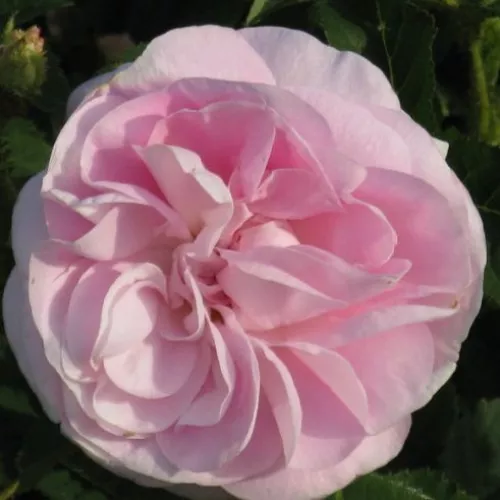
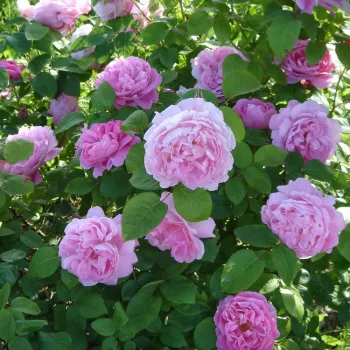
Historic yet remarkably garden-ready, GÉNÉRAL KLÉBER brings a tall, upright presence and a single, memorable flush of richly scented flowers to classic British gardens. Its once-flowering spectacle produces large clusters of very full, rosette blooms in translucent pale pink with a lilac tint, ideal for creating nostalgic cottage charm in front gardens and mixed borders. Over time the own-root plant develops a stable, long-lived bush with dependable structure and good winter hardiness, even in colder parts of the UK. It copes well where soils are heavy, provided there is improved drainage that helps it face persistent rain and strong winds along exposed coasts. Disease resistance is moderate, with particular resilience to powdery mildew, so routine but uncomplicated care is usually sufficient. The rose forms a strong framework in its final position, gradually developing roots, then top growth, and by the third year delivering its full ornamental impact as a mature, architectural feature in the garden.
Usage options
| Target area |
Reasoning |
| Front garden focal shrub |
The tall, upright habit (up to around 200 cm) makes this rose ideal as a focal point beside a path or entrance, where its once-a-year flush becomes a seasonal event and its robust framework gives lasting structure for beginners. |
| Cottage-style mixed border |
Large, very full, rosette clusters in pale pink with a soft lilac veil blend beautifully with perennials such as blue globe thistle and baby's breath, giving an authentic cottage look without needing intricate design skills for aesthetes. |
| Specimen rose in lawn or gravel |
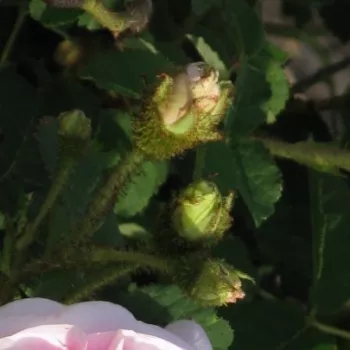
Planted alone at the recommended 200 cm spacing, it forms a characterful historic specimen with mossed shoots and strong old-rose fragrance, rewarding simple, regular care rather than intensive grooming for homeowners. |
| Loose flowering hedge |
At around 120 cm spacing it can form a loose, flowering screen that offers height, seasonal privacy and a traditional feel; its own-root longevity supports long-term garden plans for planners. |
| Park-style planting or large bed |
In wider beds and park-style schemes, its 130 cm mass-planting distance allows informal drifts that flower together in early summer; own-root bushes settle in steadily for years of repeat structure for collectors. |
| Part-shade side garden |
Suitable for partial shade, it works on east- or north-facing aspects where many roses struggle; moderate disease resistance supports reliable performance with basic hygiene and feeding for busy-gardeners. |
| Wildlife-supporting traditional corner |
Occasional orange-red hips add seasonal interest and light wildlife support in an informal corner, complementing its heritage character and suiting gardens aiming for gentle biodiversity for nature-lovers. |
| Large container near seating |
In a minimum 40–50 litre container with good drainage, it can be grown near a bench or terrace so its strong, old-fashioned scent is appreciated at close quarters; this suits those wanting impact without redesigning borders for urbanites. |
Styling ideas
- COTTAGE ROW – Line 2–3 shrubs along a front path with verbena and blue globe thistle to frame the once-a-year pink flush – ideal for lovers of traditional cottage entrances.
- HERITAGE FOCAL – Use a single plant in lawn or gravel, underplanted with low mounds of lavender or catmint to highlight its tall, historic form – suited to homeowners wanting one statement rose.
- SOFT SCREEN – Create a loose hedge on a boundary with generous spacing and informal perennials woven between, for gentle privacy and long-term structure – good for family gardens.
- QUIET CORNER – Place it in a part-shade side bed with ferns and shade-tolerant perennials, letting its pale blooms brighten otherwise dull spots – perfect for small, overlooked spaces.
- SCENTED PATIO – Grow in a large 50 litre tub by seating, with airy companions like baby's breath, to enjoy the strong old-rose perfume on summer evenings – attractive for balcony and patio users.
Technical cultivar profile
| Parameter |
Data |
| Name and registration |
GÉNÉRAL KLÉBER is a historic moss rose from the Heritage rose collection, also traded as Robert; an unregistered variety exhibited under the ARS name General Kleber in Dowager classes. |
| Origin and breeding |
Bred by François-André Robert and introduced by the Moreau-Robert nursery in Angers, France in 1856, this moss rose represents mid-19th-century French breeding traditions for decorative garden shrubs. |
| Awards and recognition |
Recognised in heritage and exhibition circles, including the Dowager Rose Queen title in 2000, underlining its value as a show shrub and its continued appreciation among historic rose enthusiasts. |
| Growth and structural characteristics |
Vigorous, upright shrub reaching about 130–200 cm high and 100–160 cm wide, with moderately dense, matt, light green foliage and heavy prickling, forming a solid, long-lived own-root framework in the garden. |
| Flower morphology |
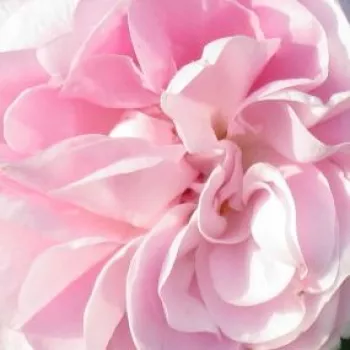
Large, cluster-borne, very full rosette blooms with over 40 petals; not remontant, providing one main flowering period that delivers a concentrated display typical of old moss roses in early summer. |
| Colour data and phenology |
Delicate pastel pink with a lilac tint (RHS 65C outer, 62D inner), opening from deeper buds, then fading to light pink and almost whitish edges as the blooms age, giving a soft, translucent colour progression. |
| Fragrance and aroma |
Rich, old-fashioned rose fragrance of strong intensity, best appreciated at close range around seating or paths; heavily double blooms are primarily ornamental and offer limited access for pollinating insects. |
| Hip characteristics |
Occasionally forms small, spherical hips, about 12–19 mm across, in an attractive orange-red colour that adds discrete autumn interest and a gentle wildlife resource in less formally managed garden areas. |
| Resistance and winter hardiness |
Hardy to approximately -32 to -29 °C (RHS H7, Swedish zone 5, USDA 4b); disease resistance is moderate overall, with good resistance to powdery mildew and moderate reactions to black spot and rust. |
| Horticultural recommendations |
Suited to beds, specimen use and park plantings, at 120–200 cm spacing; tolerates partial shade and prefers well-drained soil, with medium maintenance including periodic pruning and disease monitoring as needed. |
GÉNÉRAL KLÉBER offers a tall, once-flowering display, strong old-rose fragrance and long-lived own-root reliability, making it a thoughtful choice for gardeners planning a quietly traditional, enduring rose feature.