GANYMEDES – orange-pink shaded park rose - Dittière
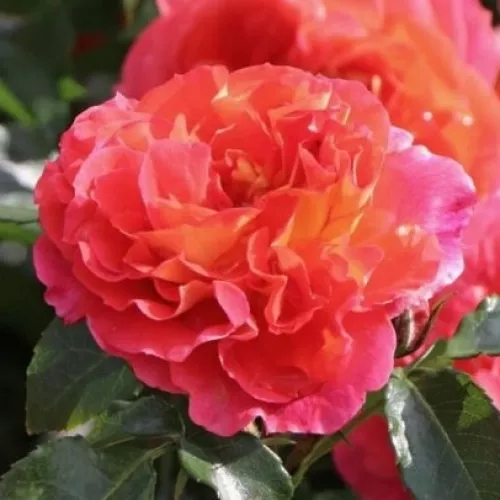
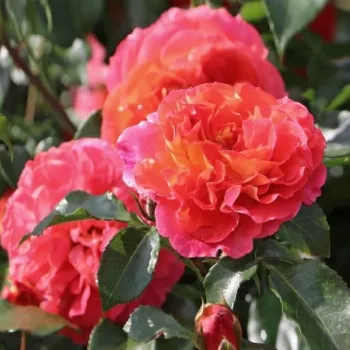
Colour plays the starring role in GANYMEDES, with coral‑orange buds opening to peach‑pink blooms that gently evolve through the season, giving your garden a constantly changing, cottage‑style display. This bushy shrub’s mid‑green, slightly glossy foliage creates a neat structure that fits well into small front gardens and around‑the‑house borders, while its medium maintenance needs suit those who like a balanced approach to care. As an own‑root plant, it settles securely and can regenerate from the base over time, supporting a genuinely long‑term investment in your planting. In typical British conditions it appreciates sensible drainage and anchoring in heavier soils, coping well where rain and wind are regular companions near the coast. The medium‑strong, fresh, fruity fragrance adds an uplifting note along paths and seating areas, and its adaptable planting distances allow both hedging lines and single focal plants to shine.
Usage options
| Target area |
Reasoning |
| Front garden focal shrub |
The changing orange‑pink tones and double, cup‑shaped blooms give GANYMEDES instant kerb appeal in a compact footprint, ideal beside a front door or gate where its fruity scent can be appreciated on daily comings and goings by the householder. |
| Low flowering hedge |
Recommended planting distances allow you to build a low, informal hedge that reads as a continuous band of colour, its bushy habit filling gaps while remaining easy to keep within bounds for the homeowner. |
| Small mixed border in family gardens |
The tidy 70–110 cm height and 60–100 cm spread slip neatly into small borders, weaving between perennials and shrubs to give reliable colour without dominating the limited space of the urban‑gardener. |
| Cottage-style group planting (1–5 plants) |
Clustered, remontant flowering gives a generous second flush, so groups of 1–5 plants provide repeated waves of colour that blend naturally with classic cottage companions and reward the patient beginner. |
| Own-root long-term rose area |
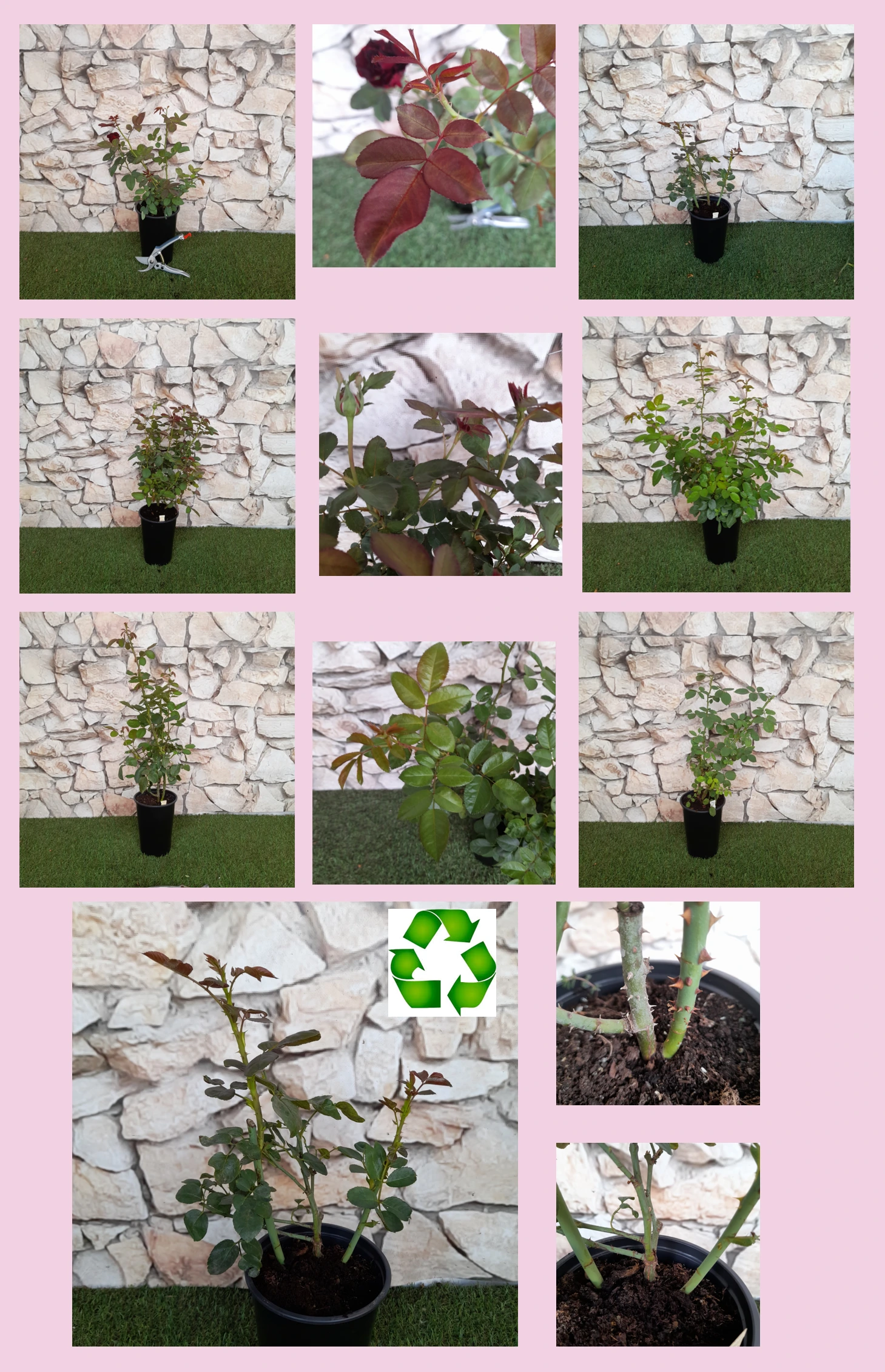
As an own‑root shrub, GANYMEDES develops its permanent framework in situ and can regrow from the base if cut back hard, supporting stable structure and ornamental value over many seasons for the thoughtful planner. |
| Weather-exposed family plots |
The dense foliage and bushy framework cope well with typical British breezes, and in more open or coastal gardens consistent anchoring helps it stand firm through wet, windy spells for the practical gardener. |
| Lightly tended ornamental beds |
Medium maintenance needs with moderate disease resistance suit gardeners who can manage basic feeding and occasional pest checks, but do not want highly demanding roses, giving confidence to the time‑pressed owner. |
| Large containers on patios |
In a 40–50 litre container with good drainage, its compact bushiness and clear, fruity scent create a strong feature near seating, while predictable growth makes seasonal pruning and renewal manageable for the container‑focused enthusiast. |
Styling ideas
- Cottage Weave – Group GANYMEDES with Alchemilla mollis and Lychnis for a soft, textural tapestry of peach, lime and magenta – ideal for romantic cottage‑style front gardens.
- Pathway Welcome – Plant as a pair flanking a path or gate, underplanted with low catmint, so colour and fragrance greet visitors – perfect for sociable family homes.
- Terrace Feature – One shrub in a 50‑litre terracotta pot with trailing thyme and violas creates a compact, perfumed terrace centrepiece – suited to small city patios.
- Colour Band – Use as a loose hedge with a repeating rhythm of plants backed by taller perennials like Verbena hastata – for those wanting easy structure without hard lines.
- Four-Season Frame – Combine with evergreen box balls and spring bulbs so the rose provides summer focus while the framework holds shape in winter – for gardeners who value year‑round form.
Technical cultivar profile
| Characteristic |
Data |
| Name and registration |
GANYMEDES is a shrub / park rose from the Park - shrub rose collection; commercial type park rose, with no separate registered exhibition name recorded to date. |
| Origin and breeding |
Bred by Jean‑Pierre Dittière, Jardirose, France; breeding year 2016, introduced by Jardirose, with parentage not recorded and formal registration dates not specified in current data. |
| Growth and structural characteristics |
Bushy shrub reaching about 70–110 cm high and 60–100 cm wide, with dense mid‑green, slightly glossy foliage and moderate prickliness, forming a compact, well‑filled garden plant. |
| Flower morphology |
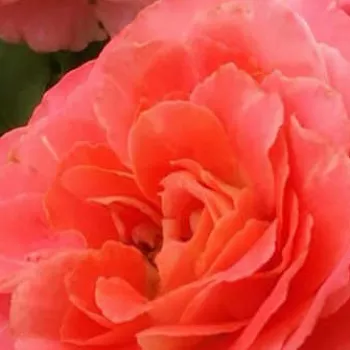
Large, double, cup‑shaped blooms with 26–39 petals, carried mainly in clusters of 3–5 per stem, flowering remontantly with a generous repeat flush after the main early summer display. |
| Colour data and phenology |
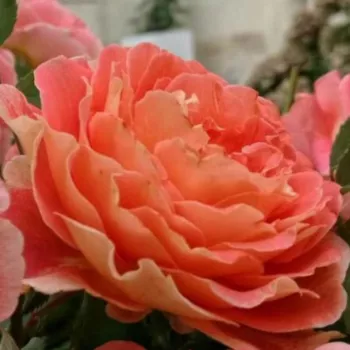
Coral‑orange to orange‑pink flowers with a golden inner glow, ARS LP, RHS 62C–62D; tones soften through peach‑pink and creamy veils as blooms age, maintaining good overall colour retention in the garden. |
| Fragrance and aroma |
Fresh, fruity fragrance of medium strength, clearly noticeable at close range and around seating or pathway positions, offering a distinct scented element without being overpowering in smaller spaces. |
| Hip characteristics |
Rosehip set is limited by the double flowers; where formed, hips are spherical, orange‑red, about 10–14 mm across, adding a light seasonal accent without dominating the shrub. |
| Resistance and winter hardiness |
Hardy to around −21 to −18 °C (RHS H7; USDA 6b; Swedish zone 3); disease resistance moderate overall, with good black spot resistance but only moderate tolerance to mildew and rust. |
| Horticultural recommendations |
Medium maintenance rose needing basic feeding, watering and occasional pest and disease checks; spacing 50–100 cm depending on hedge or specimen use, at roughly 2.8–3.2 plants per square metre in mass plantings. |
GANYMEDES offers evolving orange‑pink colour, a compact bushy habit and fresh fragrance in an easy own‑root form that establishes securely over time, making it a thoughtful choice for relaxed family gardens.