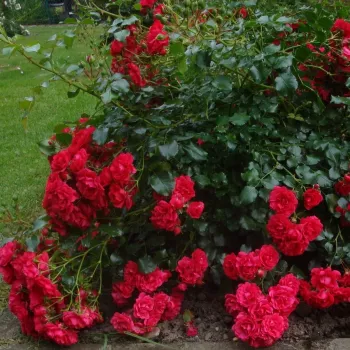
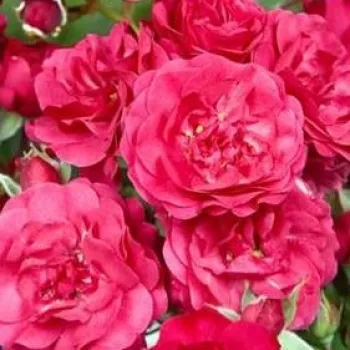
GÄRTNERFREUDE ® – raspberry-red groundcover rose – Kordes
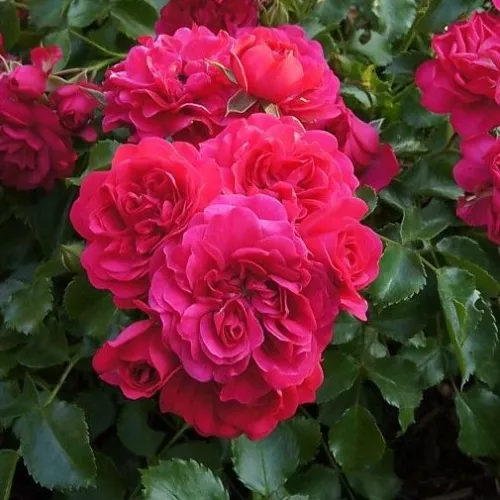
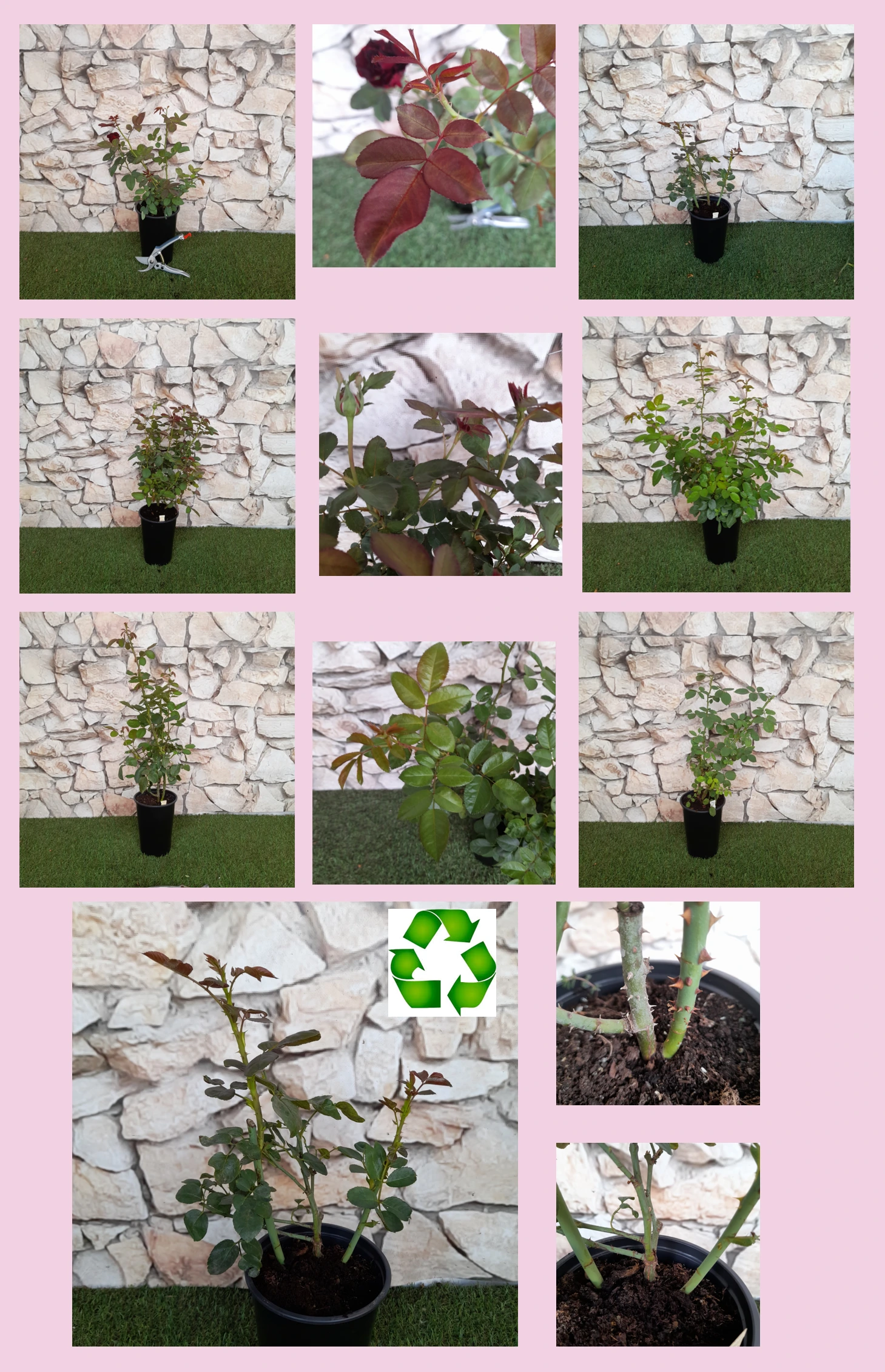
Groundcover Gärtnerfreude brings dense, low, raspberry-red colour to family gardens with minimal effort, forming a neat, spreading carpet that suits small UK plots and classic cottage-style borders. Its cluster-flowering habit ensures generous blooms over a long season, while the small, very double flowers are reliably rain-resistant and self-cleaning, so You spend less time deadheading. Bred for modern landscaping, it offers high disease resistance and copes well with blustery, wet weather and exposed sites with strong rain and wind. On its own roots it develops steadily into a balanced, long-lived shrub with lasting structure, settling in as roots establish in year one, volume builds in year two and full ornamental value shows by year three. Easy-care maintenance and the compact, glossy foliage make it ideal for tidy, low borders, front gardens and informal planting around the house.
Usage options
| Target area | Reasoning |
|---|
| Front garden edging along paths or drives |
The naturally spreading, low habit forms a tidy, permanent edging that softens hard surfaces without blocking access or sightlines. Continuous raspberry-red flowering from early summer makes entrances welcoming with little work – ideal for the busy homeowner. |
| Small beds in classic cottage-style mixes |
Freely produced clusters of small, very double flowers read as a unified raspberry-red mass, anchoring looser perennials and traditional cottage favourites. Good colour retention prevents a messy, washed-out look – perfect for an aesthetics-focused beginner. |
| Low-maintenance groundcover in tricky corners |
The dense foliage and branching quickly knit together bare soil, helping to suppress weeds and reduce visible bare patches. Once established, it needs little more than basic watering and the occasional light trim – suited to the time-poor gardener. |
| Banks, slopes and awkward narrow strips |
The spreading habit and moderate height help clothe sloping or uneven ground, giving visual stability and helping to hold soil. Its own-root form builds a robust framework over time that copes well with everyday family use – reassuring for the practical owner. |
| Urban and street-facing planting beds |
Selected specifically for heavy-use, urban situations, it keeps its shape and leaf quality under regular exposure to traffic, heat and reflected light. Flowers are rain-resistant and self-cleaning, so beds stay smart between maintenance rounds – valuable for the space-conscious town-dweller. |
| Mixed shrub borders in exposed or coastal gardens |
Good heat tolerance, strong health and resilient foliage mean it copes well where weather can be harsh and variable, including blustery, wet conditions that flatten less robust varieties, providing stable structure and colour for the coastal gardener. |
| Containers and large terrace planters |
The compact height and spreading form suit large pots of at least 40–50 litres, where it can drape gently over the rim and flower freely. Own-root growth fills the container steadily for a long-lived display – attractive for the patio-focused householder. |
| Low informal hedging and property boundaries |
Planted in a row, it creates a low, broad, flowering barrier that defines paths or drives without looking rigid. Its low disease pressure and generally self-cleaning nature mean even longer runs remain presentable with minimal attention – ideal for the time-pressed family. |
Styling ideas
- Cottage-border ribbon – Thread Gärtnerfreude in a loose line at the front of a mixed cottage border with foxgloves and hardy geraniums, letting the raspberry-red carpet tie changing perennials together – for lovers of traditional front gardens.
- Raspberry-and-blue contrast – Combine with Echinops and blue salvias so the cool blues offset the vivid raspberry-red, keeping the scheme fresh and structured – for design-conscious beginners wanting strong colour impact.
- Urban kerb appeal – Use in narrow strips along drives or pavements with low grasses and dwarf box for a neat, contemporary look that stays smart between maintenance visits – for homeowners focused on easy street-facing planting.
- Relaxed slope planting – Mass-plant on a gentle bank, interspersed with low ornamental grasses, to stabilise soil while creating a soft, textured flow of foliage and flower – for those taming awkward changes in level.
- Container courtyard focus – Place two or three plants in a 50-litre terracotta pot, underplant with trailing thyme and seasonal bulbs for year-round interest around a seating area – for small-garden owners using pots as main features.
Technical cultivar profile
| Parameter | Data |
|---|
| Name and registration |
Groundcover shrub rose from the RigoRosen collection; registered as KORstesgli, traded as Gärtnerfreude ® RigoRosen® KORstesgli, ARS exhibition name Gärtnerfreude®. |
| Origin and breeding |
Bred by Wilhelm Kordes III (Germany) from ‘The Fairy’ and complex seedlings including ‘Amanda’; bred 1991, registered 1998, introduced by W. Kordes’ Söhne in 1999. |
| Awards and recognition |
Highly decorated groundcover: ADR 2001, Gold Standard Award UK 2008, Baden-Baden Gold Medal 1999, multiple Kortrijk medals and Gerald Maylen Award for best groundcover in Australia. |
| Growth and structural characteristics |
Low, spreading shrub 40–65 cm high and 50–90 cm wide, with dense, dark green glossy foliage and moderate prickles, forming a compact, ground-hugging structure over time. |
| Flower morphology |
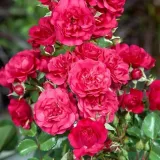
Small, spherical pompon blooms 0.5–1.5 inches across, very double with 40+ petals, borne in profuse clusters, remontant with a notably abundant second flush in suitable conditions. |
| Colour data and phenology |
Bright raspberry-red flowers (RHS 53A outer, 53B inner) with very good colour retention; blooms fade slightly towards rose-pink yet remain clear-toned and resistant to bleaching in strong sunlight. |
| Fragrance and aroma |
Fragrance is very weak and barely perceptible; selected primarily for visual effect, groundcover performance and durability rather than for scent or use in perfumed plantings or products. |
| Hip characteristics |
Hip set is usually sparse due to very double blooms; when present, produces small, spherical red hips 4–7 mm in diameter that have limited ornamental impact in most garden settings. |
| Resistance and winter hardiness |
Rated H7 with approximate hardiness to –26 to –23 °C, USDA 5b; very good resistance to powdery mildew, black spot and rust, and solid heat tolerance with watering in prolonged drought. |
| Horticultural recommendations |
Ideal for groundcover, beds, slopes, parks, containers and urban spaces; plant 45–95 cm apart depending on use, in sun or light shade, in well-drained soil with simple, low-input care. |
Gärtnerfreude ® offers long-lasting raspberry-red cover, strong disease resistance and easy self-cleaning in a durable own-root form, making it a reassuring, low-effort choice for lasting structure and colour in family gardens.