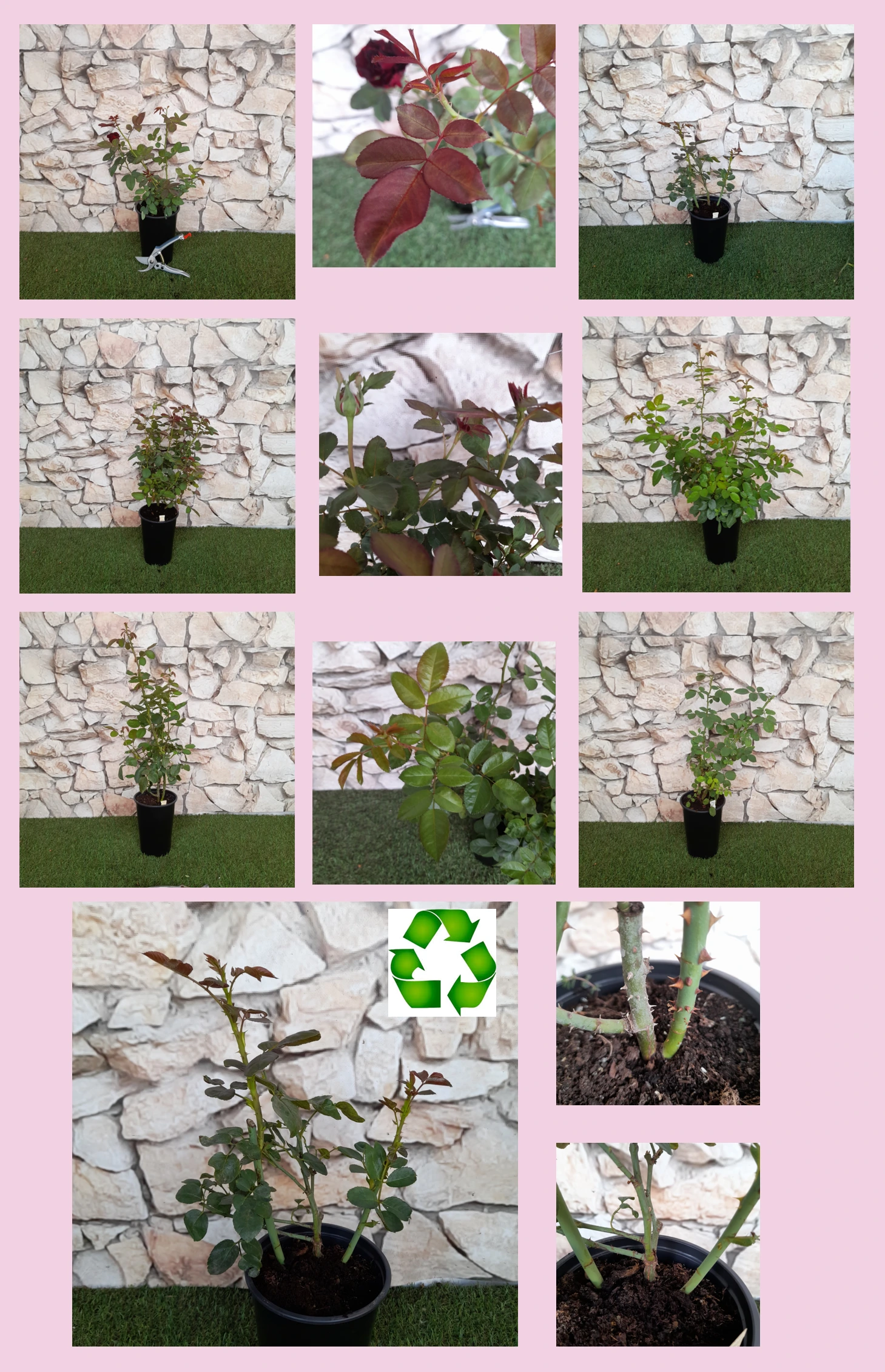
FREDERIC MISTRAL ® – pink hybrid tea rose – Meilland
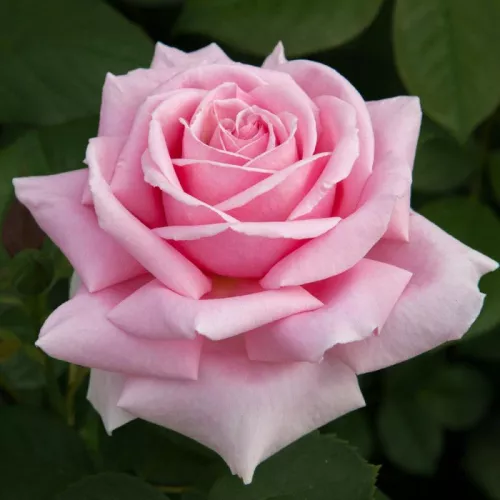
This classically shaped Perfumella® hybrid tea offers fragrance rich enough to perfume a whole garden, on long, elegant stems ideal for home vases. Its upright, well-branched habit and dark, healthy foliage create a refined feature for small borders or as a single specimen near a path or terrace. The large, very double rosette blooms repeat reliably through the season, keeping your planting orderly and colourful with minimal intervention. Bred for robust health, it shows strong resistance to common rose diseases and copes well with summer heat once established, even where breezes and showers often arrive together in exposed British gardens. As an own-root rose, it builds up steadily for a long garden life, with regrowth from the base supporting recovery after harder pruning or winter damage over time. Plant it in beds or large containers and enjoy gradual development into a mature, full-bodied bush that settles in and rewards regular but simple care.
Usage options
| Target area | Reasoning |
|---|
| Front garden focal point near entrance or path |
The strong, classic scent and tall, upright habit make this rose ideal beside a front door or garden path where you walk past regularly and can enjoy its fragrance at close quarters; its elegant structure gives a welcoming, traditional feel for beginners. |
| Cutting patch or mixed border for cut flowers |
Long, straight stems with large, very double blooms in soft pastel pink are perfect for cutting into vases, while remontant flowering ensures a regular supply of buds through summer without complex pruning routines for homeowners. |
| Small bed or border in a family back garden |
Disease-resistant foliage and low maintenance needs suit busy gardens where you want reliable colour and perfume without constant spraying; its tidy, upright shape fits comfortably into modest mixed borders for busy. |
| Large container on patio, terrace, or balcony |
In a generously sized container of at least 40–50 litres, this variety develops a balanced, upright bush, bringing scented, pastel blooms to paved areas where border space is limited but you still want a classic rose effect for urban. |
| Sunny or lightly shaded cottage-style planting |
Suitable for partial shade, it performs well in the kind of shifting light often found in cottage-style front gardens, combining with perennials and shrubs while still producing repeat flushes of blooms through the season for cottage. |
| Low-intervention rose area for long-term structure |
Own-root growth and good disease resistance combine to create a long-lived, stable shrub that copes with straightforward annual pruning, gradually forming a reliable structural feature without demanding intensive care from novices. |
| Wind- and rain-exposed family plots |
Strong growth, good leaf health and an upright framework help it stand up to typical British breezes and showers without quickly losing its ornamental value, supporting dependable flowering where weather can be changeable for families. |
| Developing garden with a planned future layout |
This own-root plant steadily builds roots in the first year, stronger top growth in the second, and achieves its full ornamental character by about the third year, suiting gardeners who are happy to watch their planting mature for planners. |
Styling ideas
- Classic welcome – Plant one either side of a front path and underplant with low Euonymus fortunei ‘Minimus’ to frame the entrance with soft pink blooms and fragrance – for lovers of traditional front gardens.
- Cottage mix – Combine with Liatris spicata ‘Kobold’ and Crocosmia ‘Lucifer’ in a small border for pastel roses rising from a tapestry of purple spikes and fiery red – for cottage-garden enthusiasts.
- Perfumed patio – Grow a single bush in a 50-litre container with trailing thyme or ivy at the rim to create a scented focal point beside seating – for balcony and terrace owners.
- Cutting corner – Group 3 plants at recommended spacing in a sunny border to provide a steady supply of long-stemmed blooms for the house without looking like a formal cutting bed – for home florists.
- Low-fuss feature – Use as a solo specimen in a small lawn island edged with simple groundcover perennials to give structure and perfume with just annual pruning – for time-pressed gardeners.
Technical cultivar profile
| Parameter | Data |
|---|
| Name and registration |
Hybrid tea rose from the Perfumella® collection; registered as MEItebros and marketed as Frederic Mistral ® Perfumella® MEItebros, with ARS exhibition name Frédéric Mistral. |
| Origin and breeding |
Bred in France by Alain Meilland in 1994 from (Perfume Delight × Prima Ballerina) × The McCartney Rose; introduced after 1998 by Meilland International with Conard-Pyle in the USA. |
| Awards and recognition |
Noted for outstanding scent with major fragrance awards at Baden-Baden (1993), Monza (1994), Le Roeulx (1994), and Belfast (Most Fragrant Rose Award, 1996). |
| Growth and structural characteristics |
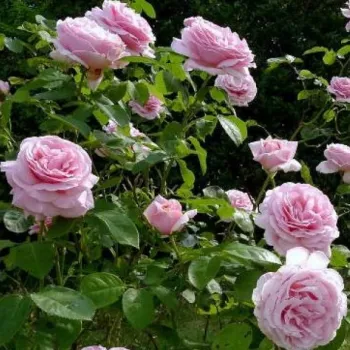
Upright, well-branched bush reaching about 130–170 cm high and 100–140 cm wide, with dense, dark green, slightly glossy foliage and relatively sparse prickles on the shoots. |
| Flower morphology |
Very double, rosette-shaped blooms with more than 40 petals, extra-large solitary flowers on stems, repeating well with an abundant second flush through the main growing season. |
| Colour data and phenology |
Soft pastel pink with a pearlescent effect; buds open pale pink, then soften through off-white to a delicate cream, giving a gentle, homogeneous light pink display before gradually fading. |
| Fragrance and aroma |
Very strong, garden-filling perfume with an intoxicating, refined character; double flowers offer high ornamental and scent value but limited nectar and pollen access for pollinators. |
| Hip characteristics |
Occasional small ornamental hips, about 10–14 mm long, ovoid to egg-shaped and red, appearing mainly if spent flowers are not removed after flowering. |
| Resistance and winter hardiness |
Good heat performance with moderate drought tolerance once established; strong resistance to powdery mildew, black spot and rust; reliably hardy to around -26 to -23 °C (RHS H7, USDA 5b, Sweden zone 4). |
| Horticultural recommendations |
Well suited to borders, specimen planting, hedged rows and large containers; responds to standard hybrid tea pruning and benefits from regular watering and feeding in hot weather. |
FREDERIC MISTRAL ® offers powerful fragrance, reliable repeat flowering and healthy, long-lived own-root growth that settles into family gardens with ease, making it a thoughtful choice for a scented, low-fuss rose.