FRAU EVA SCHUBERT – pink rambler climbing rose - Tepelmann
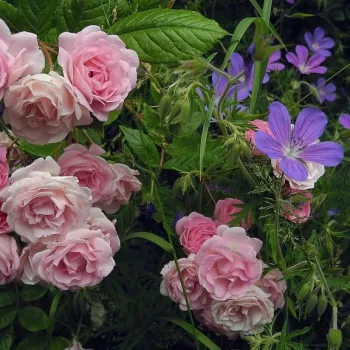
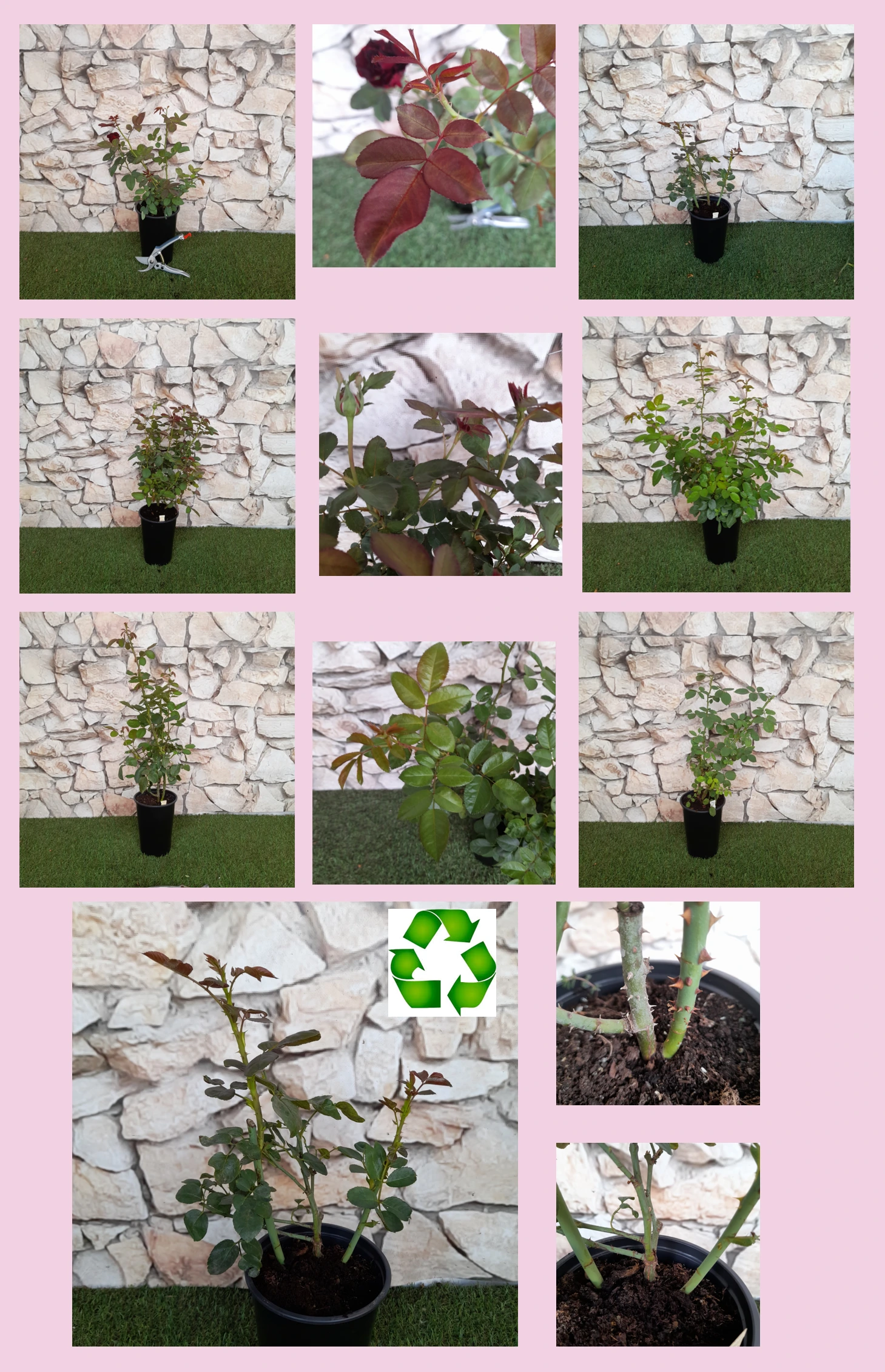
Cottage charm meets classic rambler elegance in Frau Eva Schubert, a softly pink, once-flowering climber ideal for pergolas, arches and house walls where you want a natural, romantic cascade of dainty pompon blooms. Its almost thornless stems make training and tying far more comfortable in small family gardens, while the dense, light green foliage clothes structures generously, giving a refined backdrop for front gardens and cottage-style mixes. As an own-root plant it establishes steadily and offers a long-lived, regenerating structure that settles into your garden with minimal intervention over the years, working particularly well where soil needs careful drainage against walls or fences. Over time you can expect a natural development from rooting in the first year through stronger shoots in the second to full ornamental effect in the third, supporting relaxed, low-fuss gardening.
Usage options
| Target area |
Reasoning |
| House-front pergola or rose arch |
The climbing, rambling habit and once-a-year flush of small pompon flowers create a romantic tunnel or entrance feature in classic British front gardens. Almost thornless shoots are easier to tie in at head height, especially near paths and doorways, suiting cautious beginners. |
| Wall-trained accent for around-the-house planting |
Dense, light green foliage and soft pink clusters clothe sunny walls attractively, bringing a refined cottage look without overwhelming smaller plots. Own-root growth builds a long-lived framework that can be renewed from the base if needed, reassuring time-pressed homeowners. |
| Family garden seating area backdrop |
Once-flowering, subtly scented clusters provide a memorable summer show behind a bench or terrace, then recede into a calm, leafy green screen. The almost thornless character makes it more family-friendly near seating, fitting gardens where comfort and appearance both matter for style-focused families. |
| Natural-style rose-and-perennial border |
The airy, semi-double flowers and gently fading pink tones blend well with informal perennials and cottage-style companions, giving a light, “in harmony with nature” effect. Own-root durability supports a stable planting frame that matures reliably, appealing to design-conscious cottage-garden owners. |
| Small group planting along a fence line |
Planted at regular intervals, its moderate height and 150–250 cm spread form a graceful, semi-transparent screen rather than a solid hedge. Careful support and regular protection against diseases are the main tasks, manageable over a modest length of boundary for committed enthusiasts. |
| Solitary specimen on a rose pillar or obelisk |
Trained around a pillar, the cascade of pastel pink clusters makes a vertical focal point in lawns or mixed beds. The almost thornless canes wrap supports more comfortably, while own-root vigour ensures the structure fills steadily over seasons, rewarding patient hobby gardeners. |
| Pollinator-friendly cottage corner |
Semi-double, 13–25-petalled flowers offer moderately accessible stamens, drawing some bees and other insects without an overly “wild” appearance. In carefully drained sites near fences, the plant establishes a lasting, graceful presence, which suits wildlife-aware but appearance-focused gardeners. |
| Large decorative container with vertical support |
In a well-prepared container of at least 40–50 litres with consistent watering, this climber can be trained up a tripod or small arch where ground conditions are difficult. The own-root system adapts over time to restricted soil, giving a relatively stable display for patient balcony-and-patio rose lovers. |
Styling ideas
- Front-door arch – Train Frau Eva Schubert over a simple metal arch, underplant with lavender and nepeta for fragrance and soft blues – ideal for homeowners creating a welcoming cottage-style entrance.
- Cottage terrace screen – Grow it along a light trellis behind seating, mixed with Campanula portenschlagiana and small ornamental grasses – for those wanting a relaxed, romantic backdrop to family gatherings.
- Pastel wall garland – Fan-train the almost thornless stems on wires across a sunny wall, adding Sedum acre and low geraniums at the base – suited to small gardens aiming for soft colour without visual heaviness.
- Romantic fence run – Space plants evenly along a front-garden fence, interplanting with Lonicera pileata and white foxgloves – for classic British front gardens that favour gentle structure and natural charm.
- Container column – Use a 50-litre pot with a slim obelisk, pairing with trailing thyme and dwarf campanulas – for balcony or patio gardeners seeking a vertical rose accent where soil is poor or paved over.
Technical cultivar profile
| Parameter |
Data |
| Name and registration |
Frau Eva Schubert is a rambler-type climbing rose marketed as Frau Eva Schubert – pink rambler climbing rose - Tepelmann, originally classified among garden climbing roses for ornamental training. |
| Origin and breeding |
Bred by Hugo Tepelmann in Germany from Rosa multiflora × Rosa moschata, introduced in 1937 and remaining an unregistered variety, reflecting classic pre-war European rambler breeding traditions. |
| Growth and structural characteristics |
Climbing rambler with 225–375 cm height and 150–250 cm spread, dense slightly glossy light green foliage, almost thornless canes and medium self-cleaning of spent clusters when maintained carefully. |
| Flower morphology |
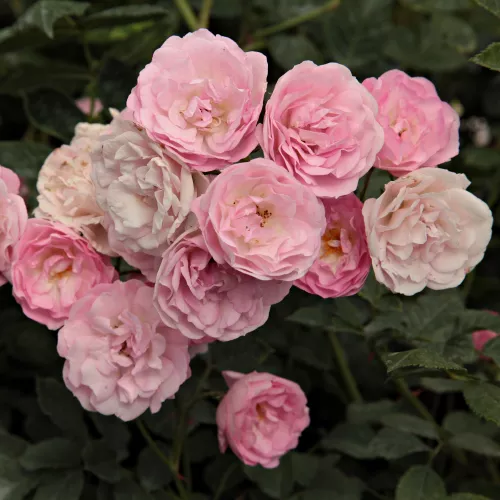
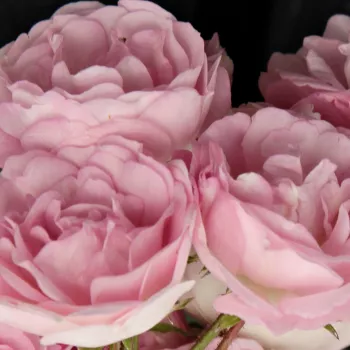
Semi-double clusters with 13–25 petals, small 0.5–1.5 inch ball to pompon-shaped blooms carried in trusses, flowering once per season in a concentrated display rather than repeating flushes. |
| Colour data and phenology |
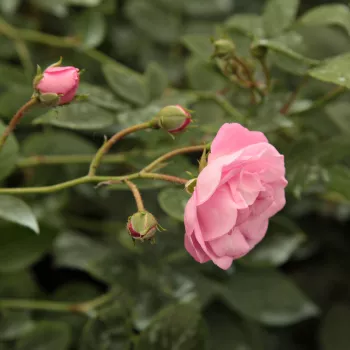
Light, soft pink blooms with porcelain-pink buds, fading at the edges to creamy white; colour retention is weak and fading is quicker in strong sun, giving gentle, pastel transitions as flowers age. |
| Fragrance and aroma |
Fragrance is mild with a subtle character, detectable at close range rather than across the garden, complementing the refined visual effect without dominating nearby seating or windows. |
| Hip characteristics |
Forms moderately abundant, small spherical red hips about 7–11 mm in diameter, adding discreet seasonal interest later in the year where clusters are left unpruned after flowering. |
| Resistance and winter hardiness |
Hardy to around −21 to −18 °C (RHS H7, USDA 6b, Swedish Zon 3) but very susceptible to major fungal diseases, needing regular preventive treatments and consistently moist but not droughty soil. |
| Horticultural recommendations |
Best in sunny positions on pergolas, arches, fences, walls or as solitary climber; plant 140–220 cm apart, ensure good air movement, structural support and ongoing plant protection for reliable performance. |
Frau Eva Schubert offers romantic pastel cascades, almost thornless canes and a stable, long-lived own-root framework for arches and walls, making it a thoughtful choice if you enjoy shaping a classic climbing rose over time.