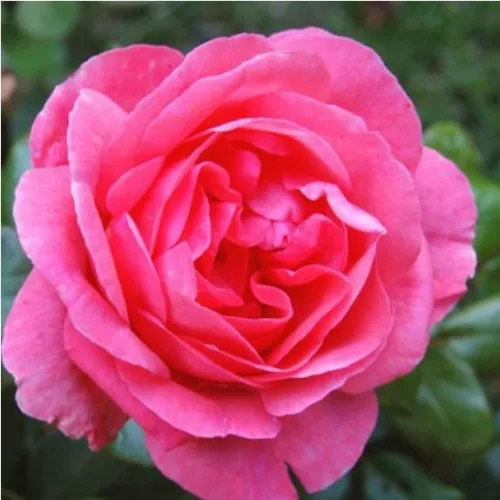
Vibrant raspberry-pink with carmine undertones. - historical, china rose - strong, long-lasting scented rose - sweet, rose scented
– Strong, long-lasting sweet rose fragrance.
– Resistant to mildew, black spot and rust.
– Elegant, upright shrub for borders and standards.
– Reblooms well with plentiful second flush.
– Large, double, raspberry-pink cup-shaped blooms.
– Special feature: Hardy historical China rose from 1927, combining vintage charm with modern garden reliability.
Unfortunately, we are currently unable to ship to the United Kingdom; we only deliver to countries within the European Union. For more information, please contact us!
3.5(5276)
FRAU DR. SCHRICKER – pink historic China rose - Felberg-Leclerc
Historic charm and reliable performance make ‘Frau Dr. Schricker’ an easy choice for the classic British front garden. This upright shrub rose offers reblooming clusters of warm raspberry‑pink, double, cup‑shaped flowers with a strong, lingering, sweet rose scent that carries beautifully around paths and doorways. Its moderate size suits small beds and cottage‑style borders, while naturally resistant foliage reduces the need for spraying in damp, disease‑prone summers and in gardens exposed to brisk coastal winds and rain. On its own roots the plant develops steadily, giving long‑term structure and dependable flowering with modest pruning. In typical conditions you can expect roots to settle in the first year, bushy new growth in the second, and full ornamental presence with abundant blooms by the third. Low‑input, family‑friendly and enduring, it works equally well as a solo specimen or in small borders, quietly transforming everyday spaces into scented, easy‑care retreats.
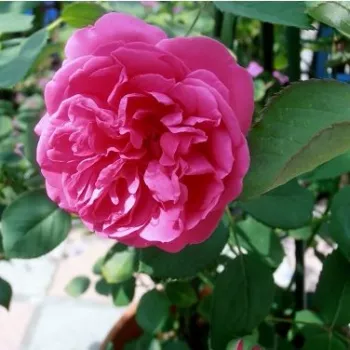
Frau Dr. Schricker at full bloom, showing warm pink, cup-shaped flowers.
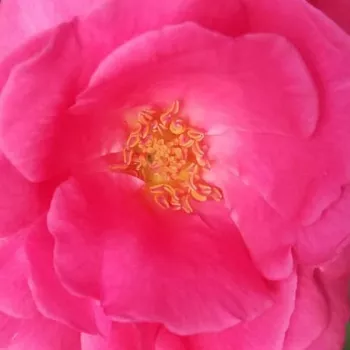
Closed bud of Frau Dr. Schricker in vivid raspberry-pink.
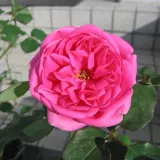
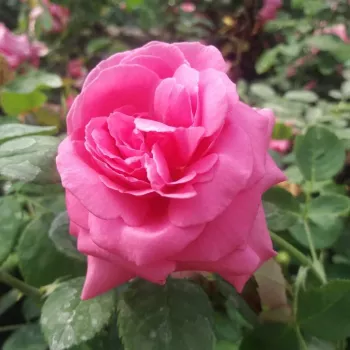
Frau Dr. Schricker in full bloom, with warm pink, cup-shaped flowers.
Usage options
Target area
Reasoning
Small front‑garden focal point
The upright habit and mid‑border height make it ideal beside a path, gate or front door, where its historic china character and warm pink tones read clearly without overpowering the space. Strong, lasting fragrance greets visitors with classic rose scent, giving early satisfaction for hesitant beginners.
Cottage‑style mixed border
Clustered, reblooming flowers thread colour through perennials and herbs from early summer onwards, while moderate spread fits easily among favourites like penstemon and thyme. Consistent repeat flowering provides seasonal continuity with little intervention, suiting visually driven but time‑poor homeowners.
Low‑maintenance family border
Good disease resistance and modest pruning needs mean fewer plant‑health worries, even where children, pets and everyday life limit gardening time. Reliable flowering from a compact footprint rewards occasional feeding and watering, helping busy urbanites.
Specimen planting in lawn or gravel
A single, well‑placed shrub reads as a historical accent, with dark, slightly glossy foliage providing structure even between flushes. Own‑root growth builds a stable, long‑lived plant that recovers well from accidental knocks, appealing to value‑conscious gardeners.
Small rose bed, 3–5‑plant group
Planted as a loose group, the upright bushes knit into a softly rounded mass, giving generous colour and scent without complex design work. Regular reblooming ensures gaps quickly refill after deadheading, supporting those seeking dependable but uncomplicated layouts.
Informal flowering hedge
At 55–60 cm spacing the shrubs create a low, semi‑open dividing line that flowers repeatedly, ideal along drives or separating seating areas. Their own‑root resilience and moderate thorniness provide gentle deterrence without harsh formality, suiting privacy‑minded families.
Standard (lollipop) rose form
Grafted as a standard, its upright, moderately dense canopy forms a neat crown with cascading clusters of scented blooms. The repeat‑flowering habit ensures the head refills quickly after each flush, rewarding light pruning and routine feeding for enthusiastic but non‑expert collectors.
Large container on patio or terrace
In a 40–50 litre container with good drainage, its compact, upright form and repeated flowering offer season‑long scent close to seating, without encroaching on limited ground. Its disease resistance supports healthier foliage in confined spaces, reassuring cautious balcony users.
Styling ideas
Cottage Border Duo – combine with Penstemon ‘Husker Red’ and creeping thyme to echo its historic character and perfume – for lovers of soft, traditional cottage colour.
Fragrant Entrance – plant on either side of a path near the front door, underplanted with low catmint, to make the most of its strong scent – for homeowners who welcome guests with aroma.
Romantic Hedgelet – form a low, informal hedge along a drive, edging with lavender to pick up the pink blooms – for families wanting gentle structure without harsh lines.
Period Feature Pot – place one plant in a 50 litre clay container with trailing thyme to highlight its historic china rose appeal – for balcony and terrace gardeners seeking heritage charm.
Summer Scent Corner – group three plants in a small bed with airy grasses, letting blooms and fragrance rise through the foliage – for design‑minded beginners aiming for easy ambience.
Technical cultivar profile
Parameter
Data
Name and registration
Historic China shrub rose marketed as ‘Frau Dr. Schricker’, also noted as a heritage rose from Felberg‑Leclerc; unregistered cultivar, recognised in collections under this long‑used trade name.
Origin and breeding
Bred by Johannes Felberg‑Leclerc in Trier, Germany, from ‘Gruss an Teplitz’ × ‘Souvenir de Madame Eugène Verdier’; introduced in 1927 and maintained in heritage rose collections since.
Growth and structural characteristics
Upright shrub, typically 80–130 cm high and 55–90 cm wide, with moderately dense, slightly glossy dark green foliage and moderate prickliness; forms a balanced, medium‑sized garden bush.
Flower morphology
Large, double, cup‑shaped flowers with 26–39 petals, carried mainly in clusters; strong remontant tendency with a plentiful second flush following the main early‑summer flowering period.
Colour data and phenology
Vibrant raspberry‑pink with carmine undertones; buds vivid, then warm pink at full bloom before softening to salmon‑powder tones with pearly‑cream petal edges as each flower ages.
Fragrance and aroma
Strong, long‑lasting sweet rose fragrance traditionally associated with older garden varieties; scent remains noticeable on warm, still days and is effective for perfuming paths and seating.
Hip characteristics
Limited hip set due to double blooms; where formed, hips are small, spherical, red, around 8–13 mm in diameter, adding modest late‑season interest without significant self‑seeding.
Resistance and winter hardiness
Good resistance to major foliar diseases including powdery mildew, black spot and rust; reliably hardy to approximately −21 to −18 °C (RHS H7, USDA 6b), suitable for most UK situations.
Horticultural recommendations
Best in fertile, well‑drained soil with regular moisture and feeding; space 55–100 cm depending on use, prune moderately in late winter, and deadhead to encourage repeat flowering.
FRAU DR. SCHRICKER offers richly scented, repeat flowering in a compact, disease‑resistant shrub that establishes steadily on its own roots for long garden life, making it a thoughtful choice for relaxed, traditionally styled spaces.
Detailed product attributes
Product Identification Data
Product Name:
FRAU DR. SCHRICKER – pink historic China rose - Felberg-Leclerc
Product Type:
pharmaROSA® ORIGINAL - 2-litre own-root potted rose
Closed Bud:
Vivid raspberry-pink, deepening towards the tips with a carmine shade.
Newly Opened Flower:
Saturated pink with a slight coral–fuchsia tint, the outer petal whorl slightly paler.
Full Bloom:
Uniform warm pink overall effect; the centre is fuller with a raspberry tone, while the edges gently lighten and take on a cooler pink hue.
Before Fading:
The pink softens, fading to a salmon‑powder shade, the edges paling to a pearly-cream colour.
Colour Fading Description:
As it opens, the bright raspberry-pink first softens to a warm pink, then fades to a salmon–powder shade before the end of flowering; the petal edges become pearly–cream coloured.
Our product is a rose grown with pharmaROSA®’s unique cultivation technology!
2-litre, own-root, potted rose.
With a shoot system appropriate to the season.
With a root system that thoroughly permeates the growing medium.
Quality compliant with the requirements of the E.N.A. (European Nurserystock Association).
Supplied in unique packaging that prevents damage.
Can be planted during frost-free periods.
True-to-variety rose bush with a unique identifier.
The pharmaROSA® own-root potted rose is a well-rooted plant that supports reliable establishment when planted and cared for properly, so it can be planted whenever the soil is not frozen.
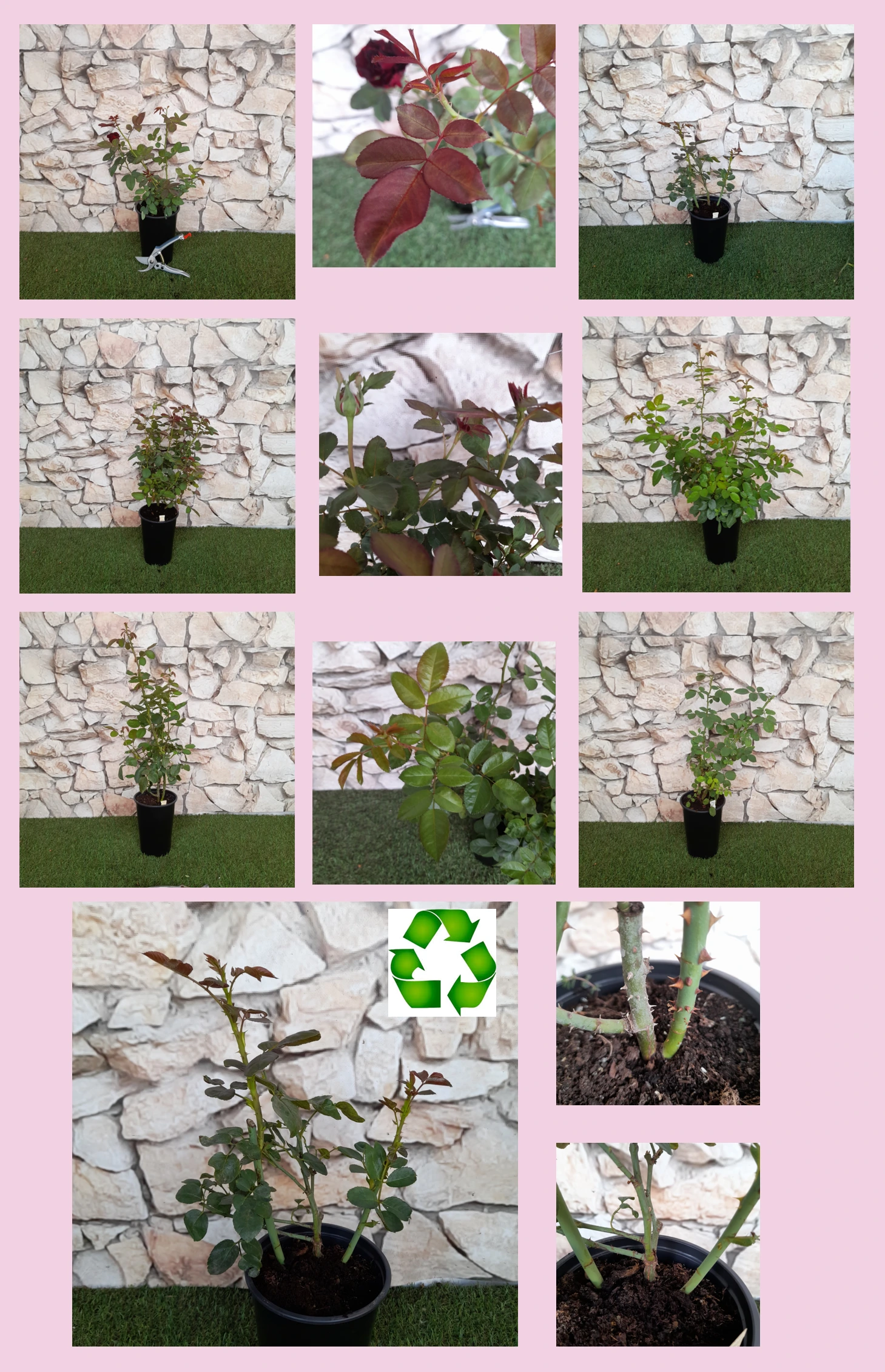
Crop overview: several varieties and growth stages in a short crop section.Shoot system: intensive growth of fresh basal shoots on a young plant.Root system: demonstration of a vigorous root system permeating the growing medium, by removing the pot.Balance: mature plant with root system and shoots in harmony with each other.
Information about the videos
The video series is not a “seasonal showcase”; it illustrates the essence of pharmaROSA® own-root cultivation in a tangible way: how the plant is built up, what the root system is like and how the shoot system regenerates. The recordings were therefore made at different times and with plants at various stages of development, so mixed foliage levels and differing stages of growth may appear in the videos. They are not a ‘sample’ of the batch dispatched, but a visual explanation of how the technology works. The current condition of the rose available to order — typical for the given period and similar to what you can expect to receive in the parcel — is shown in the upper part of the product page.
Pages for private customers Garden roses for the family garden, with minimal care → ORIGINAL® Premium garden roses – instant impact, a truly showpiece garden → EXTRA® Pages for professionals and private customers Roses for public spaces – large areas, sustainable maintenance → NATURAL® Roses for projects – hedge and row planting, fast implementation → RAPID® For professional partners only Production – propagation material for garden roses, wholesale → NEONATAL®
Company details
PharmaRosa Ltd. Company registration number: 01-09-717479 VAT number: 13075314-2-43 Plant health registration no.: HU130721 Bank account (IBAN): HU85117631891388688400000000 BIC (SWIFT): OTPVHUHB Bank name: OTP Bank Nyrt.