DIAMOND GRAY – light brown hybrid tea rose – Teranishi
Subtle yet striking, DIAMOND GRAY brings an unusual light mocha‑brown, grey‑tinged bloom to classic front gardens and small borders, offering elegant cut flowers as well as reliable garden colour. Its medium, manageable height and spreading habit make it easy to position near paths, windows or seating areas, where its semi‑double, high‑centred flowers can be appreciated up close. Clustered blooms and remontant, abundant second flowering ensure ongoing display through the season with only occasional deadheading and light pest checks. Own‑root planting supports long‑term stability, allowing the bush to adapt gradually to your soil and care, and to regenerate well after harsher winters. In many British gardens it copes reliably with wetter, breezier spells, even where extra attention to drainage is needed to offset heavier soils. Good heat tolerance means that, once established, it continues to flower in warmer, drier periods provided it receives supplementary watering. Over the first three years it builds a dependable structure – first consolidating its roots, then pushing stronger shoots, and finally reaching full ornamental potential with stable colouring and form. Moderately thorny stems and mid‑green, slightly glossy foliage frame the soft, straw‑to‑taupe tones, giving a refined contrast alongside perennials or low grasses. Semi‑double flowers with accessible stamens add a gentle wildlife benefit, attracting bees while still reading as a cultivated hybrid tea in mixed cottage‑style plantings.
Usage options
| Target area | Reasoning |
|---|
| Front garden focal shrub |
The unusual grey‑brown flower colour creates a distinctive yet tasteful focal point near the front door or along a path, without overwhelming small spaces. Its medium height suits average front gardens and offers an easy, elegant talking point for beginners. |
| Small border groups (1–3 plants) |
Planting in small groups allows its cluster‑flowering habit to build a fuller visual mass, giving more impact from each flush without complicated design work. Square or hexagonal spacing is straightforward to set out, helpful for confident results for busy gardeners. |
| Cutting patch or vase corner |
The high‑centred, pointed buds and long‑stemmed flowers lend themselves naturally to cutting, so a single plant can supply distinctive stems for the house. Regular cutting conveniently doubles as light pruning, supporting repeat bloom for style‑conscious homeowners. |
| Sunny cottage‑style mixed bed |
Light mocha and straw tones blend beautifully with soft pinks, whites and silvers in cottage mixes, while its moderately dense foliage provides background structure. Semi‑double blooms give a relaxed look that integrates well with informal drifts for cottage‑garden lovers. |
| Feature rose in raised or improved beds |
In raised beds or improved clay, the plant benefits from steadier drainage while its own‑root system develops a stable framework and copes with wetter, breezier spells common in many UK gardens. This supports long, reliable performance for practical planners. |
| Low‑maintenance specimen planting |
As a single specimen at around 110 cm spacing, it is simple to access for the occasional deadheading and pest check it requires. Own‑root growth helps the shrub recover well after pruning, extending its useful garden life for time‑pressed owners. |
| Bee‑friendly ornamental corner |
Semi‑double, open blooms with visible stamens attract bees while still reading as decorative hybrid‑tea roses. Positioned near seating areas, they add gentle pollinator interest without needing complex wildlife‑garden layouts, ideal for nature‑minded families. |
| Large patio container (40–50 L) |
In a 40–50 litre container, its moderate height and spreading habit are easy to manage on patios or by the front step, provided watering is regular in dry spells. This allows rental or paved gardens to enjoy long‑term structure for urban residents. |
Styling ideas
- Cottage Harmony – Combine with white feverfew and soft pink roses for a misty, romantic mix that lets the taupe blooms stand out gently – ideal for cottage‑garden lovers.
- Front‑Door Focus – Plant a single shrub with low lavender edging to frame its unusual colour as a subtle welcome accent – ideal for design‑conscious homeowners.
- Mocha Border – Pair with lamb’s ear and silvery grasses so the light‑brown flowers echo the cool foliage tones – ideal for contemporary border planners.
- Cutting Corner – Dedicate a small bed near the back door for easy‑to‑reach stems, mixing with white cosmos for airy vase combinations – ideal for home florists.
- Patio Statement – Grow in a large clay pot with trailing thyme at the base to soften the edge and highlight the blooms on terraces – ideal for balcony and courtyard gardeners.
Technical cultivar profile
| Parameter | Data |
|---|
| Name and registration |
Hybrid tea rose for garden and exhibition use; current trade name DIAMOND GRAY, also known under the American Rose Society exhibition name Diamond Gray. |
| Origin and breeding |
Bred by Teranishi Kikuo at Itami Rose Nursery in Japan, with breeding work completed in 2003 and the variety introduced to the market in 2004. |
| Growth and structural characteristics |
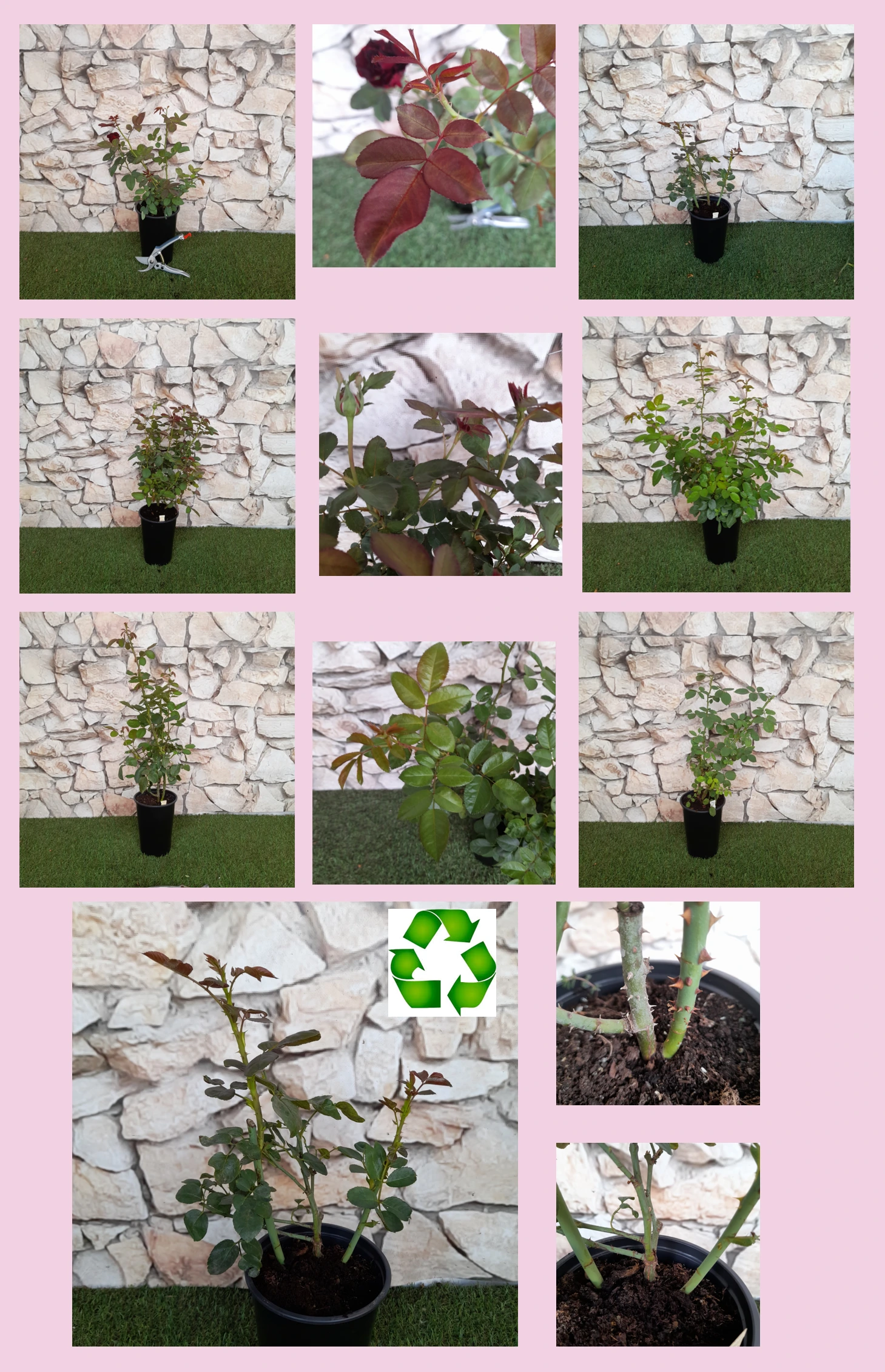
Medium‑sized, 80–120 cm tall shrub with a spreading habit, moderately dense, mid‑green, slightly glossy foliage and moderate prickliness, forming a balanced bush for borders. |
| Flower morphology |
Semi‑double, high‑centred, hybrid‑tea type flowers in clusters, 13–25 petals, large bloom size with a classic pointed bud form suitable both for garden display and cutting. |
| Colour data and phenology |
Distinctive light brown, taupe‑grey colour range; mocha buds fade through beige‑brown towards straw tones, with generally good colour retention under garden conditions. |
| Fragrance and aroma |
Fragrance is mild and restrained, offering a light scent without dominating nearby seating areas, making it suitable where strong perfume is not desired. |
| Hip characteristics |
Produces moderate quantities of ellipsoidal hips, around 12–18 mm across, colouring to an orange‑red tone and adding a discreet, seasonal decorative element in late season. |
| Resistance and winter hardiness |
Hardy to approximately −21 to −18 °C (RHS H7, USDA 6b), good heat tolerance with watering in drought; resistant to powdery mildew and black spot, moderate against rust. |
| Horticultural recommendations |
Best in sunny positions with reasonable drainage, medium maintenance needs and occasional pest control; recommended spacing 60–110 cm depending on hedging, massing or specimen use. |
DIAMOND GRAY offers an unusual taupe‑brown bloom, reliable repeat flowering and manageable care on a long‑lived own‑root framework, making it a thoughtful choice for understated, enduring garden structure.