FRAGRANT LOVE® – raspberry-red hybrid tea rose - Barni
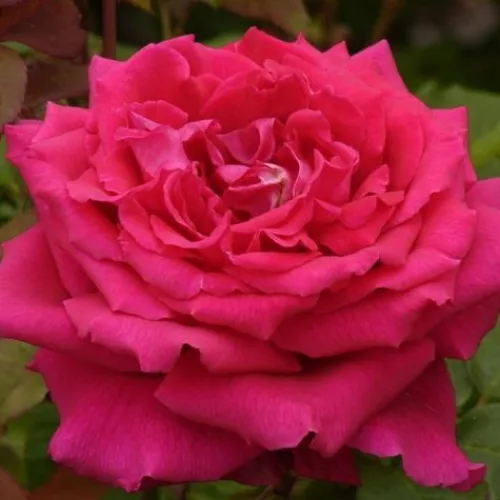
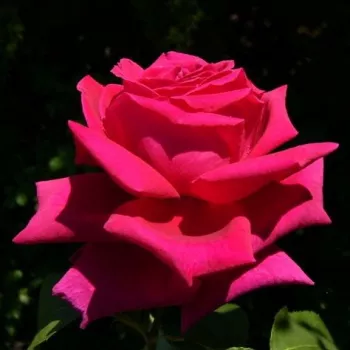
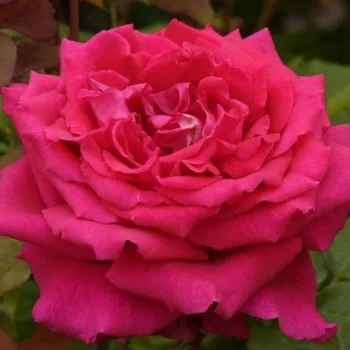
Fragrant raspberry-red blooms and a classic hybrid tea shape make Fragrant Love® an easy choice when you want a standout rose that still suits a busy family garden. Its remontant flowering provides repeat flushes from summer onwards, while the upright, compact habit fits neatly into smaller front gardens and modest beds. Bred for resistance to common rose diseases, it stays attractive with minimal spraying, even in typical British humidity. As an own-root plant it builds strength steadily, offering dependable, long-term structure and colour. Over time the bush forms a stable, well-anchored presence that copes well with blustery weather near the coast, while the root system matures, the top growth follows, and by the third year you enjoy its full ornamental value. With very strong perfume and good performance as a cut flower, it brings both visual and scented pleasure from border to vase.
Usage options
| Target area |
Reasoning |
| Front garden focal point by the path |
Use Fragrant Love® as a single specimen near your front door or along a main path where its upright habit and large, well-formed blooms create an immediate focal point without overwhelming a small space. The very strong, long-lasting scent greets you and your visitors each time you pass, adding classic character to traditional British front gardens while remaining straightforward to maintain for the beginner. |
| Small rose bed in a family garden |
Planted in groups of three to five at the recommended spacing, this compact hybrid tea forms a tidy, structured bed that is easy to weed and look after around a typical family lawn. Its remontant flowering ensures colour through much of the season, so the bed looks cared-for even when you only have time for basic tasks such as watering and the occasional deadheading, which suits the busy. |
| Mixed cottage-style border |
The velvety raspberry-red flowers blend beautifully with pastel perennials and cottage-garden favourites like hardy geraniums or clustered bellflowers, creating a soft, romantic effect. Dense, dark green foliage provides a solid backdrop that anchors looser planting, while good disease resistance keeps leaves attractive among other plants. This makes it a reassuring choice for design-conscious but time-poor homeowners. |
| Cutting patch for home bouquets |
With long, straight stems and solitary, exhibition-type blooms, Fragrant Love® is ideal for cutting, giving you armfuls of perfumed roses for the house. Its repeat flowering habit means new buds keep coming after each harvest, so the plant recovers well and continues to decorate the garden. This dual-purpose performance appeals to gardeners who enjoy both outdoor display and indoor arrangements, especially style-focused gardeners. |
| Low-maintenance decorative hedge or row |
Planted at closer hedge spacing, it forms a low, upright row that defines paths, driveways, or the edge of a front garden without creating an overpowering barrier. Once established, basic watering and annual pruning are usually enough to keep the line neat, with repeat waves of red blooms drawing the eye. The robust own-root structure supports long-term use in one place, which works well for planning-minded planners. |
| Sunny patio or large container display |
Where soil is poor or heavily compacted, Fragrant Love® performs well in a generous container of at least 40–50 litres, provided there is adequate drainage and regular watering. The upright growth habit suits pots on patios or by steps, where the scent can be enjoyed at close quarters. This arrangement is especially attractive for urban or balcony-based residents. |
| Feature plant in clay or challenging ground |
In heavier or more difficult soils, planting in a slightly raised, well-prepared bed allows the own-root plant to extend roots gradually and adapt to local conditions, supporting steady, long-term growth. Over time the bush becomes well anchored and secure, coping reliably with blustery, rain-laden weather common in exposed British gardens. This resilience brings peace of mind to cautious novices. |
| Reliable long-term rose for established borders |
Once settled, its own-root nature helps the plant regenerate well after pruning and minor damage, maintaining a consistent outline and dependable flowering year after year. Good hardiness and resistance to major fungal diseases reduce the need for chemical intervention, keeping maintenance simple while preserving ornamental value. This makes it an excellent long-view choice for experienced but time-limited enthusiasts. |
Styling ideas
- Classic approach – Plant three Fragrant Love® in a triangle with low lavender or hardy geranium edging for a formal yet soft display – ideal for homeowners who like traditional structure.
- Cottage mix – Combine with clustered bellflower, foxgloves and airy grasses in a sunny border, letting the red blooms punctuate looser planting – suited to cottage-garden admirers.
- Pathway frame – Line a front-garden path with evenly spaced plants for a fragrant corridor of upright roses – perfect for those wanting tidy, welcoming entrances.
- Patio showcase – Grow one plant in a 50-litre terracotta pot with trailing rock cress at the base to spill over the rim – appealing to urban gardeners with limited ground.
- Cutting corner – Dedicate a small square bed to Fragrant Love® for regular cutting, underplanted with low herbs for scent – ideal for creative floristry-minded gardeners.
Technical cultivar profile
| Parameter |
Data |
| Name and registration |
Fragrant Love® Hybrid tea rose SELbar 0114; ARS exhibition name Fragrant Love; rose group Hybrid Tea; commercial type and group hybrid tea rose. |
| Origin and breeding |
Bred by Vittorio Barni in Italy, 1979; introduced by Rose Barni Nursery, Pistoia, in 1982; parentage not recorded; developed for strong scent and garden performance. |
| Growth and structural characteristics |
Upright hybrid tea bush reaching about 85–115 cm in height and 55–85 cm spread; dense, slightly glossy dark green foliage; moderately thorny stems with good overall garden presence. |
| Flower morphology |
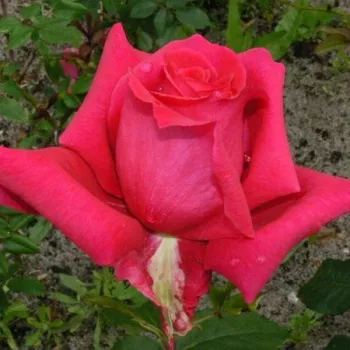
Large, double flowers with 26–30 petals, cup-shaped with medium height centre, mostly solitary on stems; repeat flowering with a notably abundant second flush under normal garden care. |
| Colour data and phenology |
Velvety raspberry-red blooms, RHS 53B outer and 53A inner; colour lightens slightly in strong sun, remains deeper in cool weather; very good colour retention from bud to fading stages. |
| Fragrance and aroma |
Very strong, long-lasting fragrance typical of scented hybrid teas; suitable for gardeners prioritising perfume in beds and cut flowers; detailed scent profile not formally characterised. |
| Hip characteristics |
Occasionally forms small, spherical red hips around 12–16 mm diameter; decorative but not usually a dominant feature; hip set may vary with season and deadheading habits. |
| Resistance and winter hardiness |
Rated resistant to powdery mildew, black spot and rust under normal conditions; good heat tolerance with watering in moderate drought; hardy approximately to –21 to –18 °C, RHS H7, USDA 6b. |
| Horticultural recommendations |
Prefers sunny sites with well-drained soil; best as specimen, in flower beds, or for cut flowers; recommended spacing 50–90 cm depending on use; low maintenance with routine pruning and deadheading. |
Fragrant Love® offers richly scented raspberry-red blooms, reliable repeat flowering and a long-lived, adaptable own-root structure, making it a thoughtful choice for those planning a lasting, low-fuss rose feature.