FLORENCE DELATTRE – purple bedding shrub rose - Massad
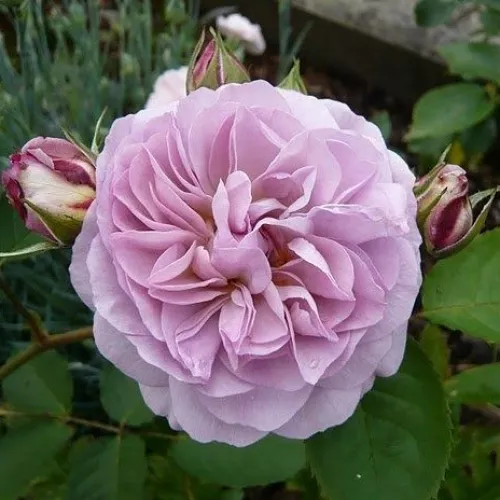
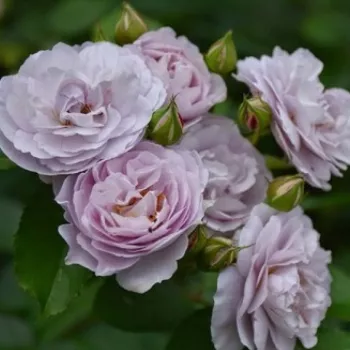
This romantic Générosa® shrub rose brings cottage charm and refined colour to small British gardens, combining semi-double blooms and a strong, spicy-rose fragrance with reliable, repeat flowering. Its bushy, well-branched habit and dense, glossy foliage fit naturally into informal front gardens and mixed borders, while its own-root vigour supports long-lived, steady performance without complicated care. With good disease resistance and dependable health even in humid, fungus-prone conditions, it simply needs regular watering in dry spells and light seasonal tidying of spent blooms. Over the first three seasons it moves from root-building to structural growth and finally full ornamental impact, giving you a graceful, enduring feature that settles securely into typical family plots and exposed, breezy sites near the house.
Usage options
| Target area |
Reasoning |
| Front garden feature rose |
Ideal as a focal shrub near the entrance, where its pastel lilac blooms and strong scent can be appreciated as you pass by. The bushy, upright habit forms a tidy, rounded plant without intricate pruning, suiting busy homeowners and beginners. |
| Cottage-style mixed border |
The semi-double, cupped flowers fit beautifully among perennials and small shrubs, pairing well with silvery foliage or soft grasses. Reliable repeat flowering gives gentle colour waves through summer for cottage-garden lovers. |
| Small group planting in beds |
Planting 3–5 bushes at the recommended spacing creates a coherent, low hedge-like drift of colour. Consistent height and spread make it easy to design neat, low-maintenance beds for family-garden owners. |
| Specimen planting by patios or seating |
As a single specimen at around 1,8 m spacing, it forms a generous, perfumed presence by a terrace or seating area. Strong fragrance and attractive hips extend interest beyond peak flowering for scent-focused gardeners. |
| Part-shade side garden |
Tolerates partial shade, so it works well along side paths or between houses where sun is limited for part of the day. Consistent growth still delivers flowers and structure for urban-plot owners. |
| Low-intervention rose border |
Good resistance to common rose diseases and low routine needs make it suitable for borders where you prefer minimal spraying and fuss. Simple seasonal pruning keeps it productive for time-poor gardeners. |
| Large containers and courtyards |
Can be grown in a 40–50 litre or larger container with regular watering and feeding, bringing romantic colour and scent to paved spaces or gravel courtyards that lack planting beds for balcony-patio users. |
| Wind-exposed, around-the-house beds |
The bushy structure and solid anchoring cope well with typical British breezes around driveways and corners of the house, while its own-root longevity offers a long-term planting that matures steadily for long-term planners. |
Styling ideas
- Cottage Mix – Underplant with Stachys byzantina and pink or white Lychnis for a soft, hazy border that echoes traditional village gardens – for lovers of relaxed, romantic planting.
- Front-Door Welcome – Flank a path with a short row of plants, edging with low evergreen box or dwarf grasses for a tidy yet scented entrance – for homeowners wanting smart but gentle formality.
- Pastel Harmony – Combine with pale yellow or cream roses and lavender for a muted, harmonious palette that complements brickwork and stone – for design-conscious gardeners seeking subtle colour.
- Textured Contrast – Pair with compact conifers such as Pinus mugo ‘Mops’ and structural perennials to highlight the airy flowers against strong shapes – for those who enjoy sculptural foliage contrasts.
- Container Retreat – Grow in a generous 50 litre tub with trailing herbs or low perennials to frame a bench or terrace corner – for balcony and courtyard users craving a scented refuge.
Technical cultivar profile
| Characteristic |
Data |
| Name and registration |
Modern Shrub rose, commercial bed rose; registered as MASflodel, traded as Florence Delattre Générosa® MASflodel, with Florence Delattre as the approved exhibition name. |
| Origin and breeding |
Bred by Dominique Massad in France from Rêve d’Or × Magenta (Kordes, 1954); breeding completed 1991, introduced and registered in 1997 through Guillot / Roseraies Pierre Guillot. |
| Growth and structural characteristics |
Bushy shrub 120–160 cm high and 90–130 cm wide with dense, dark green, glossy foliage and moderate prickliness; forms a well-branched, substantial framework over time in garden conditions. |
| Flower morphology |
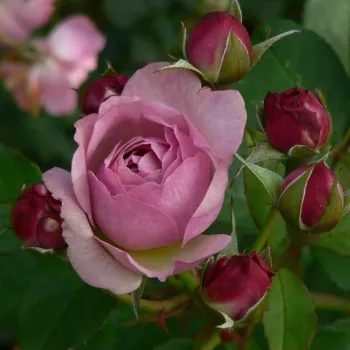
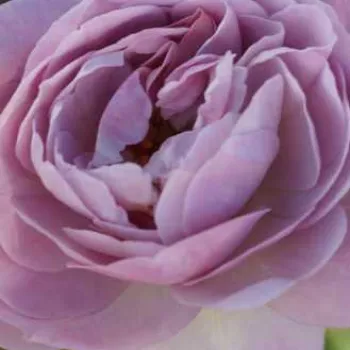
Semi-double, cupped flowers with 13–25 petals, produced in clusters of medium-sized blooms; remontant habit with a generous second flush when lightly deadheaded after the main flowering. |
| Colour data and phenology |
Pale mauve-lilac base with creamy-yellow centre tones, ageing towards greyish lavender; colours remain richest in cooler conditions and soften more quickly in hot, strong sunlight. |
| Fragrance and aroma |
Pronounced, strong fragrance with a spicy rose-oil character; scent is easily noticeable on warm, still days and adds significant ornamental value around entrances and seating areas. |
| Hip characteristics |
Forms moderately abundant, small spherical red hips around 8–12 mm in diameter, adding quiet late-season interest and some wildlife value once the main flowering display has finished. |
| Resistance and winter hardiness |
Good resistance to powdery mildew, black spot and rust; fully hardy to approximately -26 to -23 °C (RHS H7, Swedish zone 4, USDA 5b), suiting most UK winters without special protection. |
| Horticultural recommendations |
Best in well-drained soil with regular watering; suitable for beds, specimen use and cutting. Space 90–100 cm in groups, up to 180 cm as specimens; prune flexibly to shape and renew flowering wood. |
Florence Delattre Générosa® MASflodel offers romantic colour, strong fragrance and dependable, disease-resistant flowering on a long-lived own-root shrub, making it a thoughtful choice for easygoing, characterful garden planting.