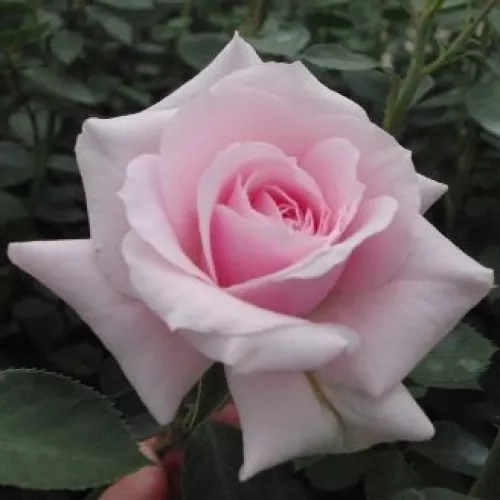
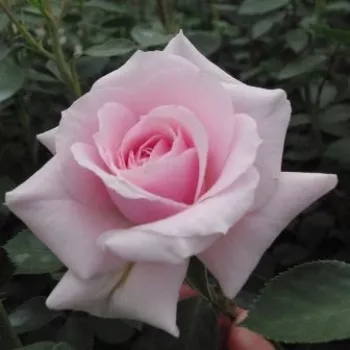
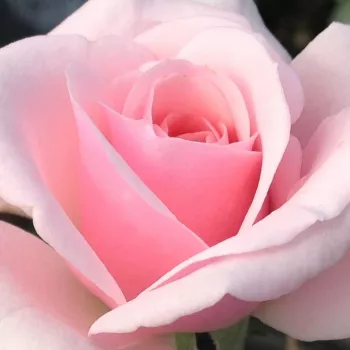
Uniform, rich deep-pink shade with a slightly cool tone. - park rose - medium-strength, noticeably scented rose - delicately sweet
– Large, elegant double blooms in rich pink.
– Reliable remontant shrub with plentiful repeats.
– Upright, tall growth for borders and hedges.
– Medium fragrance with delicately sweet notes.
– Hardy to RHS H7, tolerates winter cold well.
– Special feature: Historic 1931 park rose from ‘Frau Karl Druschki’ lineage, ideal for sustainable designs.
Long-lasting plant – Sustainable garden design
pharmaROSA® ORIGINAL 2-litre own-root potted rose
18,00 £
Unfortunately, we are currently unable to ship to the United Kingdom; we only deliver to countries within the European Union. For more information, please contact us!
5(7165)
FELBERG'S ROSA DRUSCHKI – pink park rose - Felberg-Leclerc
Classic deep-pink blooms, a strong upright presence and medium height make FELBERG'S ROSA DRUSCHKI a reliable choice for traditional British front gardens and cottage-style borders. Its remontant flowering provides generous summer colour in clusters, with each bloom opening from raspberry-pink buds to a silky, cool-toned rose and then softening to pastel pink. The medium-strength, sweet fragrance adds charm along paths and near seating areas, while own-root resilience supports a long-lived, sustainable structure that copes well in exposed spots with wind and rain, provided the soil is well prepared. Over time, this shrub matures into a moderately dense, dark green backdrop that suits low-maintenance, family-sized gardens, giving you space to enjoy rather than constantly prune or manage complex planting schemes.
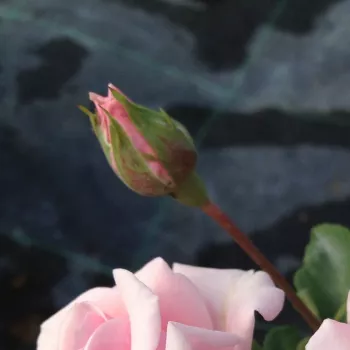
Closed bud of Felberg's Rosa Druschki in deep raspberry-pink tones.
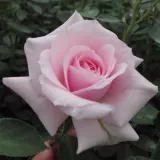
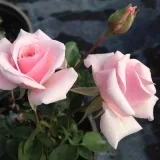
Felberg's Rosa Druschki showing its deep pink flowers at full bloom.
Usage options
Target area
Reasoning
Front garden statement shrub
The upright, 150–220 cm habit creates a clear vertical accent that works well beside doors, bay windows or along paths. Its deep-pink colour and traditional flower form give instant classic character without needing intricate planting plans – ideal for a confident focal point for the visually minded beginner
Small group in mixed border
Planted in groups of 3–5 at around 115 cm spacing, it forms a coherent block of colour that ties together perennials and shrubs. The moderately dense, dark green foliage acts as a background for lighter or silver-leaved companions, making border design easier for those who prefer straightforward, repeatable layouts for the aesthetic-focused homeowner
Classic cottage-style bed with perennials
The rich pink clusters combine naturally with lavender, campanula and other cottage-garden favourites, giving a relaxed but orderly look. Medium maintenance needs mean ordinary deadheading and the occasional pest check are usually sufficient, avoiding the need for technical rose care for the cottage-garden enthusiast
Specimen shrub in lawn or gravel
As a standalone shrub at about 180 cm planting distance from other features, it develops into a rounded, upright presence that reads clearly from the street. The own-root form supports long-term structure and recovery from pruning or occasional damage, offering stability for those planning gardens to last for the long-term planner
Informal flowering hedge
Used at 100 cm spacing, it can build a loose, flowering screen with deep-pink flushes through the season. Moderate height and density make it suitable where you want some privacy without a hard barrier, and routine trimming can be adjusted to taste without precise technique for the privacy-seeking family
Cutting patch for scented blooms
Large, double, goblet-shaped flowers on an upright framework lend themselves to cutting for vases, while the medium-strength sweet scent stands out indoors. Regular picking doubles as light pruning, encouraging further blooms without extra work, making it a satisfying choice for the practical cut-flower gardener
Park-style feature in larger beds
Its park rose character and reliable remontant habit suit more generous beds where continuous presence is needed rather than fleeting display. In well-prepared soil with good drainage, it settles into a durable structure that supports long-term, low-fuss ornamental areas for the project-focused designer
Weather-tolerant rose in exposed gardens
The sturdy, upright framework and moderately dense foliage stand up well in open, breezy plots, provided the planting area drains freely during wet, windy spells. Once established from its own-root base, it maintains decorative value with routine seasonal care, reassuring the busy, time-limited urbanite
Styling ideas
Cottage Border Pairing – Combine FELBERG'S ROSA DRUSCHKI with lavender and bellflowers for a soft-edged, romantic border with reliable pink structure – ideal for lovers of traditional cottage schemes.
Front-Door Focus – Position a single shrub by the front entrance, underplanted with low evergreen groundcover to frame its height and fragrance – for homeowners wanting instant kerb appeal.
Pastel Harmony Strip – Line a short path with spaced shrubs interplanted with pale perennials, letting the repeat deep-pink blooms anchor a gentle pastel palette – suited to small gardens needing clear structure.
Lawn Island Feature – Create a circular or oval bed around one or three shrubs, mulched and bordered with neat edging to showcase their upright form – for those seeking a simple, manageable focal point.
Informal Hedge Mix – Alternate this rose with other shrub roses of compatible height to form a loose flowering boundary that softens fences without complex maintenance – for families wanting privacy and colour.
Technical cultivar profile
Property
Data
Name and registration
FELBERG'S ROSA DRUSCHKI, also traded as Felberg-Leclerc; a pink park-shrub rose and Hybrid Perpetual type. Unregistered variety, used primarily as a garden and park shrub rose.
Origin and breeding
Bred in Germany in 1925 by Johannes Felberg-Leclerc from ‘Frau Karl Druschki’ × ‘Farbenkönigin’; first distributed by Hazlewood Bros. Pty. Ltd. in Australia in 1931.
Growth and structural characteristics
Upright shrub rose reaching about 150–220 cm high and 90–140 cm wide, with moderately dense, slightly glossy dark green foliage and moderate thorniness, forming a robust park-style framework.
Flower morphology
Large, double, goblet to chalice-shaped blooms with 26–39 petals, borne mainly in clusters. Remontant habit with a generous second flush under typical garden conditions in summer.
Colour data and phenology
Rich, deep pink with a cool tone; RHS 66C outer, 65D inner. Buds raspberry-pink, opening to strong purple-pink, then fading to softer pastel pink, with better colour persistence in cool weather.
Fragrance and aroma
Noticeable, medium-strength sweet scent typical of classic garden roses. Best appreciated when shrubs are planted near paths, seating areas or entrances where air movement carries the fragrance.
Hip characteristics
Limited rosehip set due to double flowers; where formed, small red spherical hips around 8–13 mm in diameter, mainly of incidental ornamental interest rather than as a primary feature.
Resistance and winter hardiness
Hardy to approximately -21 to -18 °C (RHS H7, USDA 6b, Swedish zone 3). Disease resistance is medium to black spot, mildew and rust; regular watering and monitoring support healthy foliage.
Horticultural recommendations
Best in sunny sites with well-drained soil; medium maintenance with some deadheading and occasional pest control. Suitable for borders, hedging, park planting, specimens and scented cut flowers.
FELBERG'S ROSA DRUSCHKI offers classic deep-pink, scented blooms on a robust, upright shrub that matures steadily from its own-root base into a long-lived, low-fuss feature, making it a sound choice for enduring family gardens.
Detailed product attributes
Product Identification Data
Product Name:
FELBERG'S ROSA DRUSCHKI – pink park rose - Felberg-Leclerc
Product Type:
pharmaROSA® ORIGINAL - 2-litre own-root potted rose
Closed Bud:
The bud's outer petals are a darker raspberry‑pink, with a slightly lighter pink tinge inside.
Newly Opened Flower:
The outer ring of petals is an intense purple‑pink, the inner ring a clear deep pink, with a silky sheen in the light.
Full Bloom:
The centre of the bloom has a paler pink hue, while the outer petals continue to display a strong deep pink.
Before Fading:
The petals gradually fade to a soft pastel pink, with a lilac-pink tinge appearing in places.
Colour Fading Description:
Until full opening the outer petals are an intense deep pink with a paler centre; before the flower fades the entire bloom softens to a pastel pink, and the colour is longer-lasting in cool conditions.
Pollinator Attraction:
The double (26–39 petals) flower form and reduced accessibility of the stamens make it only marginally attractive to pollinators.
Pollinator-Friendly Rating:
Its double flowers partly conceal the stamens, so it has limited pollinator value and is primarily an ornamental variety.
Our product is a rose grown with pharmaROSA®’s unique cultivation technology!
2-litre, own-root, potted rose.
With a shoot system appropriate to the season.
With a root system that thoroughly permeates the growing medium.
Quality compliant with the requirements of the E.N.A. (European Nurserystock Association).
Supplied in unique packaging that prevents damage.
Can be planted during frost-free periods.
True-to-variety rose bush with a unique identifier.
The pharmaROSA® own-root potted rose is a well-rooted plant that supports reliable establishment when planted and cared for properly, so it can be planted whenever the soil is not frozen.
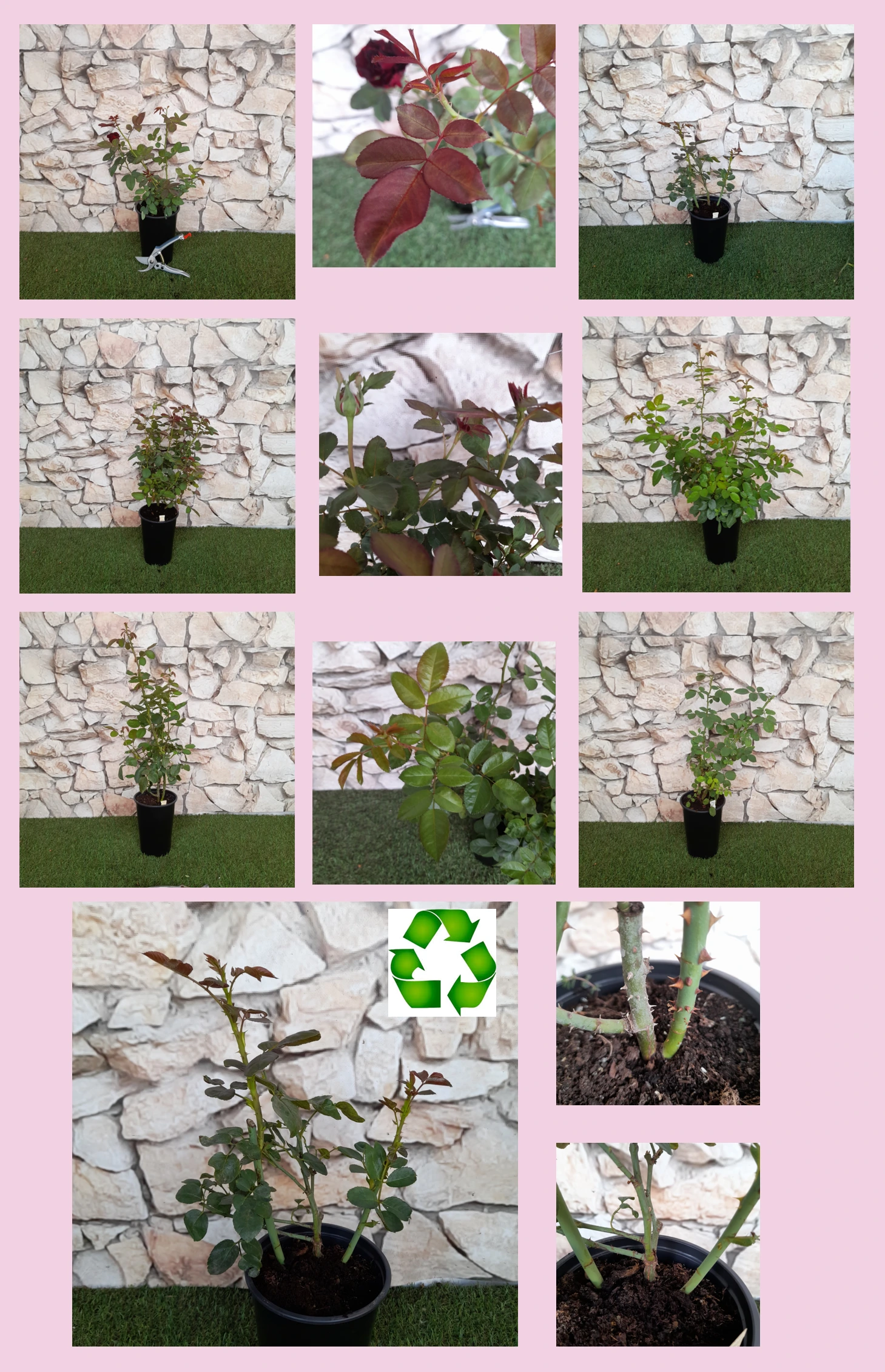
Crop overview: several varieties and growth stages in a short crop section.Shoot system: intensive growth of fresh basal shoots on a young plant.Root system: demonstration of a vigorous root system permeating the growing medium, by removing the pot.Balance: mature plant with root system and shoots in harmony with each other.
Information about the videos
The video series is not a “seasonal showcase”; it illustrates the essence of pharmaROSA® own-root cultivation in a tangible way: how the plant is built up, what the root system is like and how the shoot system regenerates. The recordings were therefore made at different times and with plants at various stages of development, so mixed foliage levels and differing stages of growth may appear in the videos. They are not a ‘sample’ of the batch dispatched, but a visual explanation of how the technology works. The current condition of the rose available to order — typical for the given period and similar to what you can expect to receive in the parcel — is shown in the upper part of the product page.
Pages for private customers Garden roses for the family garden, with minimal care → ORIGINAL® Premium garden roses – instant impact, a truly showpiece garden → EXTRA® Pages for professionals and private customers Roses for public spaces – large areas, sustainable maintenance → NATURAL® Roses for projects – hedge and row planting, fast implementation → RAPID® For professional partners only Production – propagation material for garden roses, wholesale → NEONATAL®
Company details
PharmaRosa Ltd. Company registration number: 01-09-717479 VAT number: 13075314-2-43 Plant health registration no.: HU130721 Bank account (IBAN): HU85117631891388688400000000 BIC (SWIFT): OTPVHUHB Bank name: OTP Bank Nyrt.