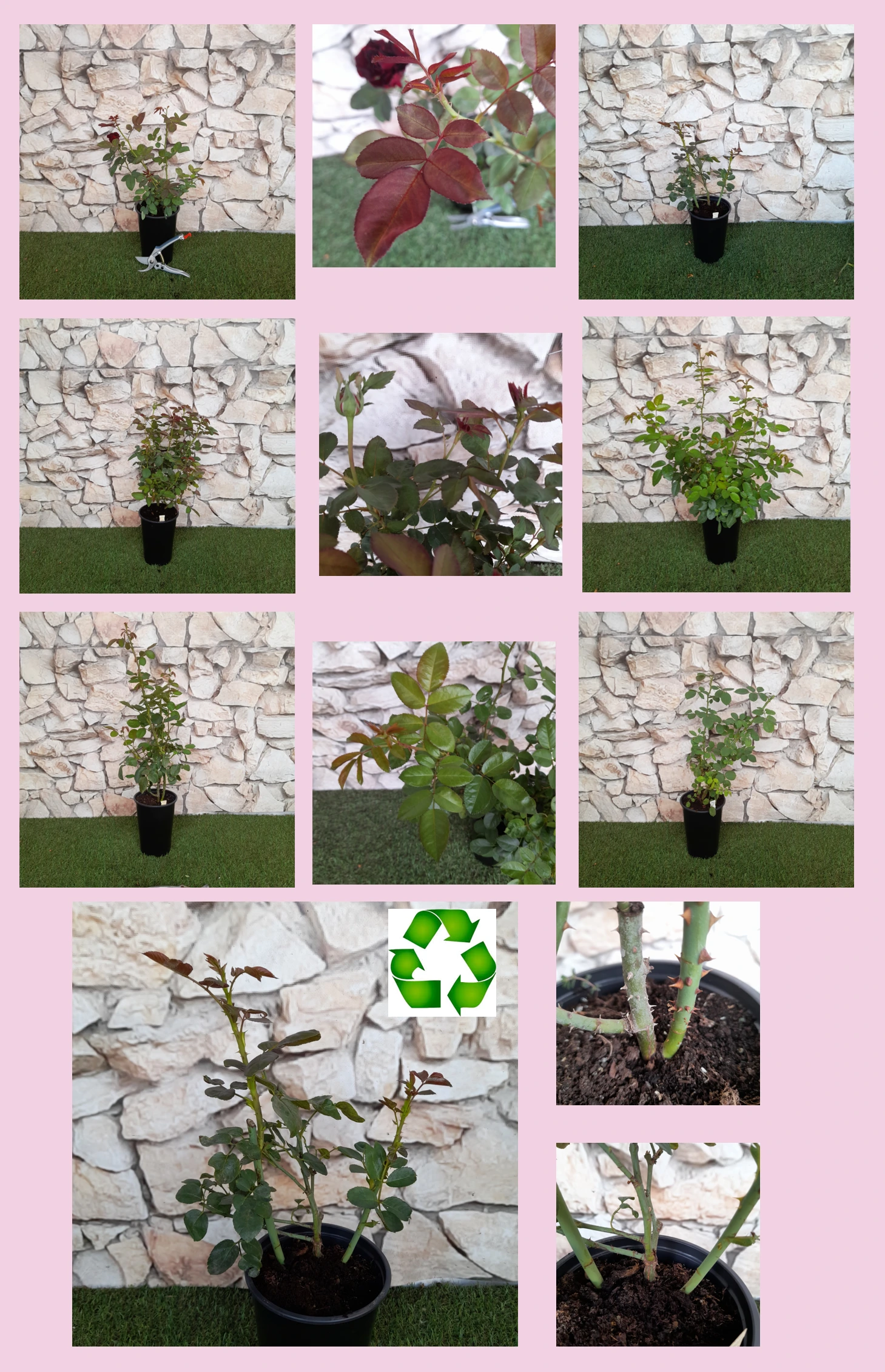
Rosa pimpinellifolia Marbled Pink – pink landscape shrub rose
This historic shrub rose offers a uniquely marbled display of blush pink and white flowers on a naturally compact, bushy plant that suits smaller British front gardens as well as informal cottage borders. Once settled, its hardy character and very good disease resistance keep care simple, provided you give consistent watering during longer dry spells and ensure soils with reasonable drainage even on heavier ground prone to waterlogging, making it reassuringly dependable for less experienced gardeners. The once-flowering early summer flush is generously pollinator-friendly, with open, cupped blooms that invite bees, followed by decorative black hips that extend the season of interest well into autumn. Dense foliage and a prickly, well-branched framework make it an excellent informal hedge choice for boundaries, where it can quietly form a long-lived structure with minimal pruning. As an own-root plant it matures steadily into a balanced shrub with good long-term stability and ornamental value, offering a pleasingly natural look in cottage-style schemes and mixed plantings.
Usage options
| Target area | Reasoning |
|---|
| Front garden feature shrub |
The naturally compact, bushy habit makes this rose easy to place near paths, windows or drives, giving a tidy, well-shaped shrub without complicated pruning. Its once-a-year early summer flowering provides a strong seasonal highlight while remaining low maintenance, ideal where you want reliable structure more than constant intervention, particularly for beginners. |
| Informal rose and mixed hedging |
Dense branching, plentiful foliage and pronounced prickliness help this variety form an effective, lightly protective line along boundaries or driveways. Planted at the recommended hedging distance, it knits into a visually soft but functional barrier that needs only occasional height control, suiting those who prefer relaxed lines over formal clipped hedges, especially homeowners. |
| Pollinator-friendly wildlife corner |
The open-centred, lightly double flowers expose their stamens, making nectar and pollen easy for insects to access. A concentrated blooming period creates a seasonal food resource, while the simple flower form harmonises with other wildlife-friendly perennials and shrubs, supporting a garden that feels alive and engaging for nature-lovers. |
| Small cottage-style bed or border |
The softly marbled pink-and-white flowers and matte grey-green foliage sit naturally among cottage-style perennials and grasses, offering an understated, traditional look. Its manageable size avoids overwhelming modest borders while still providing height variation and romance, appealing to those developing intimate, characterful spaces, particularly cottage-gardeners. |
| Low-maintenance family garden planting |
This vigorously healthy shrub rose has low maintenance needs thanks to its strong overall disease resistance and robust constitution. With suitable watering during hot dry spells, it performs reliably without frequent spraying or complex care routines, making it a reassuring choice where time and gardening experience are limited for busy families. |
| Naturalistic slopes and groundcover groups |
Used in loose drifts or small groups, its suckering, spreading habit and dense foliage help to clothe banks and awkward ground, softening hard lines and knitting into surrounding plantings. The marbled flowers add seasonal interest, then the dark hips continue the display, giving long-term visual cover that suits relaxed, natural schemes for landowners. |
| Clay-tolerant, colder-region gardens |
Exceptionally hardy to very low winter temperatures, this cultivar is well suited to colder parts of the UK where frosts and wind can be severe. Provided heavier soils are improved for drainage, it offers a resilient, lasting framework shrub that returns year after year with minimal loss of wood, a comfort for frost-prone gardeners. |
| Partial-shade side garden or boundary |
This rose tolerates partial shade, making it useful along side paths, north-east facing fences or between taller shrubs where sun is limited for part of the day. It still flowers and forms hips reliably, extending design options in more difficult corners that need structure without demanding full sun, helpful for urban owners. |
Styling ideas
- Cottage Harmony – Combine with foxgloves, hardy geraniums and blue fescue to echo the marbled flower tones in a soft, layered border – ideal for cottage-garden enthusiasts seeking gentle romance.
- Front-Garden Frame – Use as a repeating shrub along a low picket fence with lavender and catmint in front to frame paths and drives – suited to homeowners wanting an ordered yet informal welcome.
- Wildlife Ribbon – Mix with variegated berberis, ornamental grasses and pollinator perennials to create a loose, wildlife-supporting hedge – perfect for nature-focused gardeners designing relaxed boundaries.
- Season-Long Structure – Plant singly as a focal anchor in a small bed, then underplant with spring bulbs and late-summer perennials for continuous interest around its changing flowers and hips – for planners who like year-round structure.
- Natural Slope Drift – Arrange in staggered groups on banks with groundcover roses and low grasses to stabilise soil while keeping a wild, uncomplicated look – ideal for those taming awkward level changes with minimal effort.
Technical cultivar profile
| Parameter | Data |
|---|
| Name and registration |
Rosa pimpinellifolia Marbled Pink, botanical shrub rose, landscape type; also known in exhibition circles as Red Nelly. Unregistered historical cultivar with long-standing garden and collector use. |
| Origin and breeding |
Historic British shrub rose dating back to around 1759 in the United Kingdom. Exact breeder and parentage are unknown, reflecting its status as a traditional botanical garden form. |
| Growth and structural characteristics |
Bushy, compact shrub with dense, matte mid- to dark grey-green foliage and numerous thorns. Naturally forms a full, well-branched framework suitable for hedging, groups and specimen use. |
| Flower morphology |
Medium-sized, cup-shaped, lightly double blooms with roughly 5–12 petals, borne mainly singly. Once-flowering in early season rather than repeat-blooming, offering a concentrated display. |
| Colour data and phenology |
Very pale blush pink base with darker pink marbling; RHS 65C outer, 65D inner. Flowers fade progressively to near white as they age, creating a soft, changing effect across the bush. |
| Fragrance and aroma |
Subtle, delicate scent with a mild spicy-herbaceous character. Not overpowering, but adds a gentle traditional rose fragrance when flowers are examined closely or in still, warm conditions. |
| Hip characteristics |
Produces attractive small spherical rose hips, approximately 10–15 mm across, turning a distinctive black when ripe. Hips add ornamental and wildlife value into late season garden displays. |
| Resistance and winter hardiness |
Very winter-hardy shrub rose, rated to about -40 to -35 °C (RHS H7, Swedish zone 6, USDA 3b). Generally robust with good resistance to black spot and moderate tolerance of powdery mildew. |
| Horticultural recommendations |
Suited to specimen use, mixed borders, natural hedges, slopes and wildlife plantings. Prefers reasonably drained soil and regular watering in prolonged heat; low overall maintenance and needs little pruning. |
Rosa pimpinellifolia Marbled Pink offers naturally compact structure, strong disease resistance and wildlife-friendly flowers on a long-lived own-root shrub, making it a thoughtful choice for easy-care, characterful British gardens.