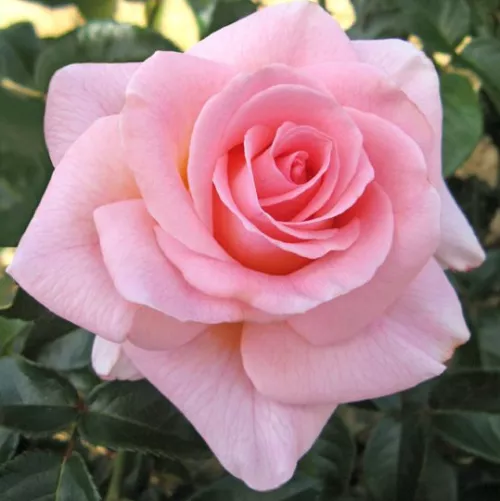
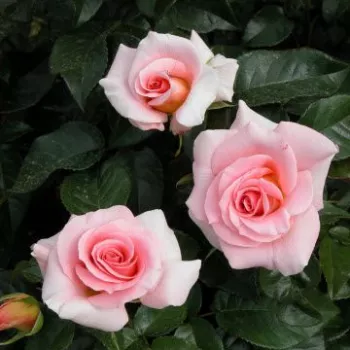
FANNY ARDANT – light pink hybrid tea rose - Adam
With its elegant pastel light-pink blooms and classic, high‑centred form, FANNY ARDANT brings a refined, cut‑rose look straight into your front garden or border. Bred for reliability, it offers remontant, plentiful second flushes so your beds stay colourful with minimal effort. This upright, compact shrub is naturally orderly, fitting beautifully into typical British plots where space is at a premium and a neat outline matters. Good disease resistance keeps foliage healthy without constant spraying, even in humid summers, while its own‑root nature supports a long, stable life and easy regeneration after pruning. You can enjoy its fragrant fresh, fruity scent from both the garden and the vase, as the XL blooms are ideal for cutting. It settles well in improved clay or loam, making it practical for gardens that need better drainage rather than perfect soil. In a large 40–50 litre container it creates a smart, long‑lived feature near doors or seating areas. Expect roots to establish in the first year, strong framework and flowering in the second, and full ornamental impact by the third, giving you dependable beauty with straightforward care in everyday family gardens.
Usage options
| Target area | Reasoning |
|---|
| Front garden feature rose |
The upright, compact habit and high‑centred pastel blooms give a tidy, formal presence that suits small front gardens and classic British kerb appeal, with low maintenance thanks to disease resistance and steady performance for beginners. |
| Small bed or focal specimen |
Its elegant, XL hybrid‑tea flowers stand out as a single specimen in a small bed, offering a refined focal point without overwhelming nearby planting, delivering garden impact from one well‑placed plant for design‑conscious owners. |
| Mixed cottage‑style border |
Remontant flowering and a plentiful second flush weave soft pink colour through perennials and cottage favourites, keeping borders lively from early summer onwards with reliable repeat blooms for busy gardeners. |
| Cutting patch near the house |
The long‑stemmed, solitary flowers with high‑centred, cut‑rose form are made for vases, allowing you to harvest scented stems regularly without sacrificing the plant’s shape or garden display for home‑floristry fans. |
| Patio pot or container (40–50 litres) |
In a 40–50 litre container with good drainage and regular watering, its upright, dense growth creates a smart, movable feature that copes well with UK showers and breezes in exposed spots for urban balcony owners. |
| Small groups of 3–5 plants |
Planted in a loose triangle or short row, its naturally orderly outline and colour consistency form a harmonious block, easy to prune to taste while maturing into a balanced stand over several years for tidy‑garden lovers. |
| Long‑term bed in family gardens |
As an own‑root rose, it builds a durable framework, regrowing strongly from the base after harsher pruning or winter weather and staying true to type, supporting decades of ornamental value for long‑term planners. |
| Low‑intervention rose border |
Good resistance to black spot, mildew and rust reduces routine spraying and complex care; in improved clay or on a slight rise it handles typical British moisture patterns and avoids waterlogging issues for time‑pressed owners. |
Styling ideas
- Pastel‑cottage trio – Combine FANNY ARDANT with soft blue nepeta and white foxgloves for a hazy cottage effect that still looks orderly – ideal for style‑led beginners.
- Front‑gate focus – Plant a single specimen by the front path with low box edging to frame its elegant blooms – perfect for homeowners wanting refined kerb appeal.
- Cutting‑corner row – Line three plants along a sunny fence, underplant with Gypsophila repens for airy fillers, and enjoy regular home‑grown cut flowers – suited to home‑floristry enthusiasts.
- Patio‑perfume pot – Grow one plant in a 50‑litre terracotta container with fragrant sweet alyssum at the base to highlight the fresh, fruity scent – great for terrace and balcony users.
- Neat‑border rhythm – Repeat clumps of FANNY ARDANT through a mixed border to create a consistent, tidy pink theme tying together looser cottage planting – ideal for busy family gardeners.
Technical cultivar profile
| Parameter | Data |
|---|
| Name and registration |
Hybrid tea rose ADArocona, marketed as Fanny Ardant (NIRPALWAYS collection); ARS exhibition name Fanny Ardant; exhibition‑grade cut‑flower type suited to garden use. |
| Origin and breeding |
Bred by Michel Adam, Roses Michel Adam, France; breeding completed 2001, registered 2001, introduced 2004 via NIRP International; parentage officially recorded as unknown. |
| Growth and structural characteristics |
Upright, bushy hybrid tea, typically 90–120 cm high and 50–70 cm wide, moderately thorny, with dense, glossy medium‑ to dark‑green foliage giving a full, well‑clothed framework. |
| Flower morphology |
Very large, solitary, high‑centred blooms on strong stems; semi‑double with around 13–25 petals; pointed buds; remontant habit with a notably generous second flush in suitable conditions. |
| Colour data and phenology |
Pastel light pink with subtly deeper centre; newly opened flowers warm pink inside, fading through silvery pink to pale creamy‑tinted inner petals; colour retention generally good through the flowering phase. |
| Fragrance and aroma |
Fresh, fruity fragrance of medium strength, clearly noticeable in the garden and suitable for scented indoor arrangements; primarily ornamental, with limited pollinator attraction due to flower form. |
| Hip characteristics |
Hip set usually low because of the semi‑double, cut‑rose flower form; when present, small spherical hips 8–12 mm across, bright red (RHS 44A), adding occasional late‑season interest. |
| Resistance and winter hardiness |
Rated resistant to black spot, powdery mildew and rust; hardy to approximately −21 to −18 °C (RHS H7, USDA 6b, Swedish zone 3), suiting most UK regions with normal winter protection. |
| Horticultural recommendations |
Best in full sun with fertile, well‑drained soil; prefers regular watering, avoiding prolonged drought; low maintenance overall but benefits from deadheading and light annual pruning to renew flowering wood. |
Fanny Ardant NIRPALWAYS ADArocona offers elegant pastel blooms, reliable repeat flowering and disease resistance on a durable own‑root framework, making it a thoughtful, long‑lived choice for your garden.