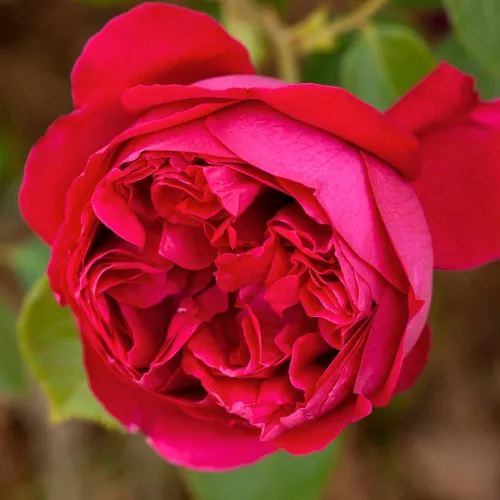
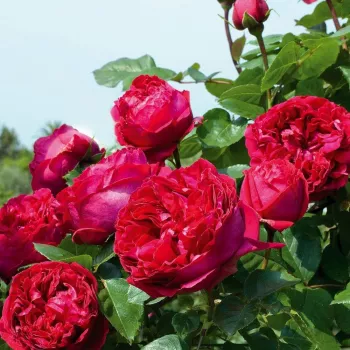
ERIC TABARLY® – dark red climbing rose – Meilland
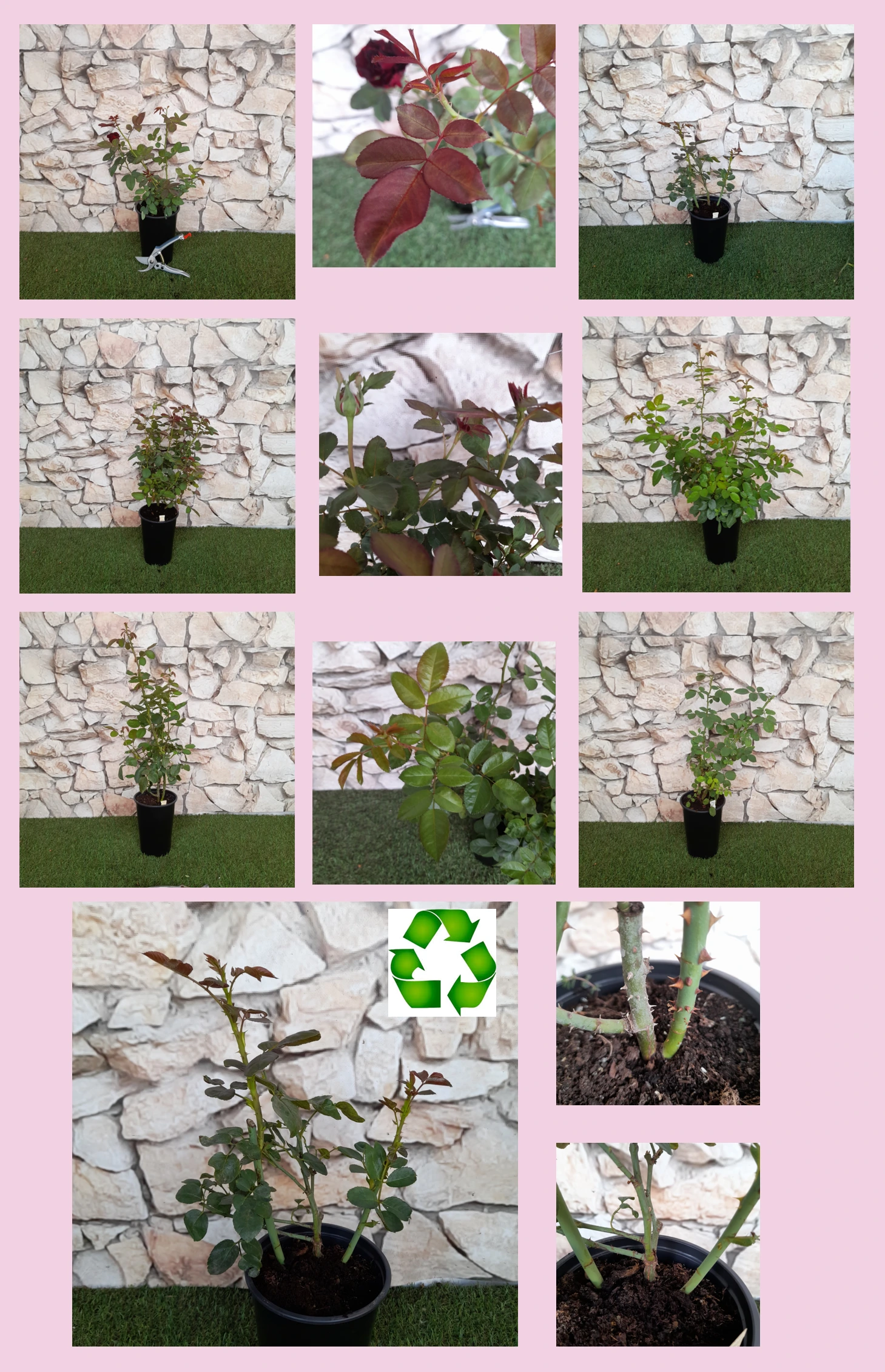
This Romantica® climber brings luxury dark red, rosette blooms and a strong, classic damask fragrance to pergolas, fences and façades, while its medium maintenance needs suit busy gardeners seeking reliable performance. Supplied as a premium own‑root plant, it develops a naturally balanced framework, giving long‑term stability and ornamental value as it matures. With good cold tolerance and the ability to cope with exposed sites, it remains composed even where strong winds and heavy rain test garden structure. In its first year it concentrates on root development, the second brings confident shoot growth, and by the third season it usually displays its full, rich flowering character. Partial‑shade tolerance and repeat flowering make it especially useful around the house, in classic British front gardens and cottage‑style schemes.
Usage options
| Target area |
Reasoning |
| Front garden focal arch or pergola |
Its tall climbing habit and very full, dark red blooms create an immediate focal point over an arch or compact pergola without needing advanced training techniques. Medium maintenance and own‑root resilience mean it establishes steadily and repays simple seasonal pruning for years, ideal for beginners. |
| Façade or fence greening in family gardens |
Height up to 3–5 m and dense, mid‑green foliage allow it to clothe walls and fences, softening boundaries and giving long‑lasting privacy. Partial‑shade tolerance makes it suitable for house walls that only receive part‑day sun, while its structural reliability supports long‑term garden planning for homeowners. |
| Small group planting along a boundary |
Planted at recommended distances along a side fence or rear boundary, it forms a coherent, repeat‑flowering screen with a romantic cottage feel. As an own‑root rose, it builds a stable framework over time, coping well with the UK’s changeable seasons and supporting those who prefer low‑input care, perfect for busy-gardeners. |
| Mixed cottage border with vertical accents |
The strong damask scent and velvety dark red flowers combine beautifully with looser perennials, bringing a classic cottage look without needing complicated combinations. Its remontant, cluster‑flowering habit ensures colour through the season, rewarding straightforward feeding and watering for style-conscious gardeners. |
| Specimen climber in a large container |
When grown in a 40–50 litre or larger container with good drainage, it can be trained up an obelisk or against a small balcony trellis, offering impressive flowers and fragrance in limited spaces. Own‑root vigour and medium care needs make container management realistic for urban-owners. |
| Pergola walk or seating corner |
Its strong fragrance and repeated flushes of bloom make it ideal over a bench or along a short pergola walk, where scent and shade are both appreciated. The rose forms dense foliage and a reliable climbing structure over several seasons, supporting relaxed long‑term planning for family-gardeners. |
| Climber for exposed or coastal-leaning situations |
Good heat tolerance and robust growth help it cope where wind and driving rain are frequent, so long as the soil drains reasonably and watering is monitored in dry spells; this makes it a reassuring choice where weather can be harsh for coastal-owners. |
| Cut-flower corner by the house |
Large, very full, dark red rosette blooms on long climbing stems lend themselves to cutting, providing scented stems for the house while the plant continues to flower. Repeat blooming and reliable structure from its own‑root base keep the display going with modest deadheading, suiting flower-lovers. |
Styling ideas
- Cottage Archway – Train over a narrow timber arch with foxgloves, hardy geraniums and nepeta at the base for a romantic entrance – ideal for lovers of classic cottage character.
- Velvet Façade – Fan‑train against a sunny or lightly shaded house wall with white hydrangeas and soft grasses below to highlight the dark blooms – suited to design‑aware homeowners.
- Perfumed Pergola – Combine on a pergola with a pale clematis and scented herbs in pots to create an evening seating retreat – perfect for fragrance‑focused gardeners.
- Boundary Screen – Repeat‑plant along a fence with underplanting of low lavender and heuchera to form a tidy, low‑maintenance flowering screen – good for practical family gardens.
- Balcony Column – Grow in a 50‑litre container around a slim obelisk, softened with trailing ivy and seasonal bedding at the base – aimed at urban gardeners seeking vertical impact.
Technical cultivar profile
| Parameter |
Data |
| Name and registration |
Eric Tabarly® Romantica® MEIdrason; large-flowered climbing rose registered as MEIdrason, ARS exhibition name Eric Tabarly; climbing rose group with premium garden and show credentials. |
| Origin and breeding |
Bred by Alain Meilland, Meilland International SA, France; cross of ‘Cappa Magna’ × ‘Ulmer Münster’; bred 2002, EU protection 2002, US plant patent 2004, introduced commercially after 2004. |
| Awards and recognition |
Recognised on the show bench as a quality exhibition climber; awarded Los Angeles Rose Society Show Climber Award in 2005, confirming its suitability for display and cutting. |
| Growth and structural characteristics |
Strong climbing habit 3–5 m high and 2–3 m spread; dense, mid‑green, slightly glossy foliage; can be fan‑trained or pillar‑trained; densely thorned shoots require mindful handling and support. |
| Flower morphology |
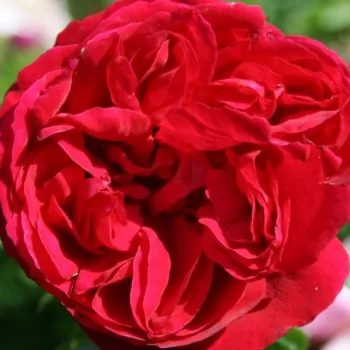
Very full, rosette-shaped flowers with 40+ petals; extra-large blooms often in clusters on vigorous stems; remontant habit giving a generous second flush after the main early summer display. |
| Colour data and phenology |
Deep, velvety dark red with crimson tones (RHS 53A–53B); buds burgundy with silky sheen; colour deepens in sun with slight fading only; outer petals may take on a blackish burgundy cast before ageing. |
| Fragrance and aroma |
Strong, classic damask perfume with long-lasting scent on the plant and in the vase; very double blooms hide stamens, making it primarily ornamental rather than a pollinator-supporting variety. |
| Hip characteristics |
Occasional spherical hips, 12–18 mm, red (RHS N45A); decorative rather than heavy-cropping; hips may follow where deadheading is relaxed, adding limited late-season interest for wildlife-friendly gardens. |
| Resistance and winter hardiness |
Hardy to approximately −23 to −21 °C (RHS H7, USDA 6a, Swedish zone 3); medium resistance to black spot, powdery mildew and rust; benefits from regular watering and hygiene in wetter, disease-prone seasons. |
| Horticultural recommendations |
Best trained on pergolas, fences, façades or as a specimen; plant roughly 1.45–2.70 m apart; prefers well-drained soil with regular moisture; medium maintenance, including occasional plant protection and deadheading. |
ERIC TABARLY® offers velvety dark red, strongly scented blooms on a reliable climbing framework that matures gracefully on its own roots, making it a refined long-term choice for pergolas, façades and statement garden structures.