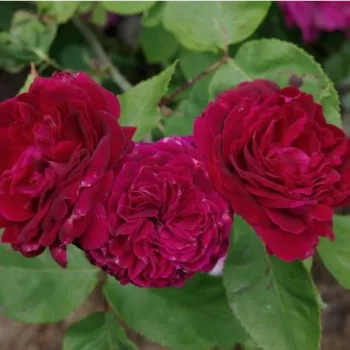
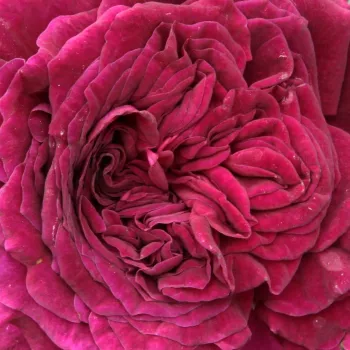
Empereur du Maroc – historic crimson hybrid perpetual rose
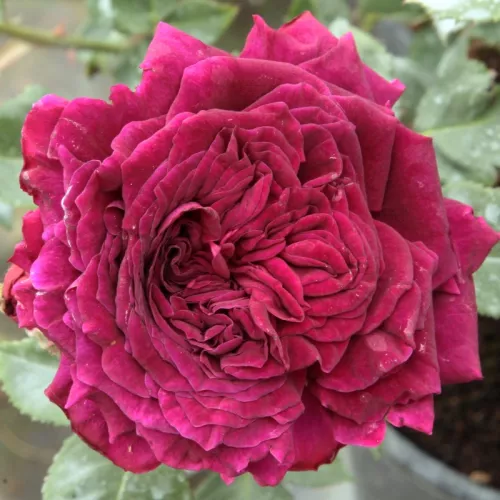
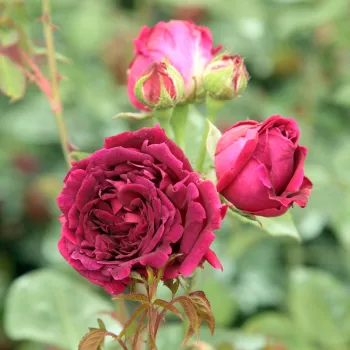
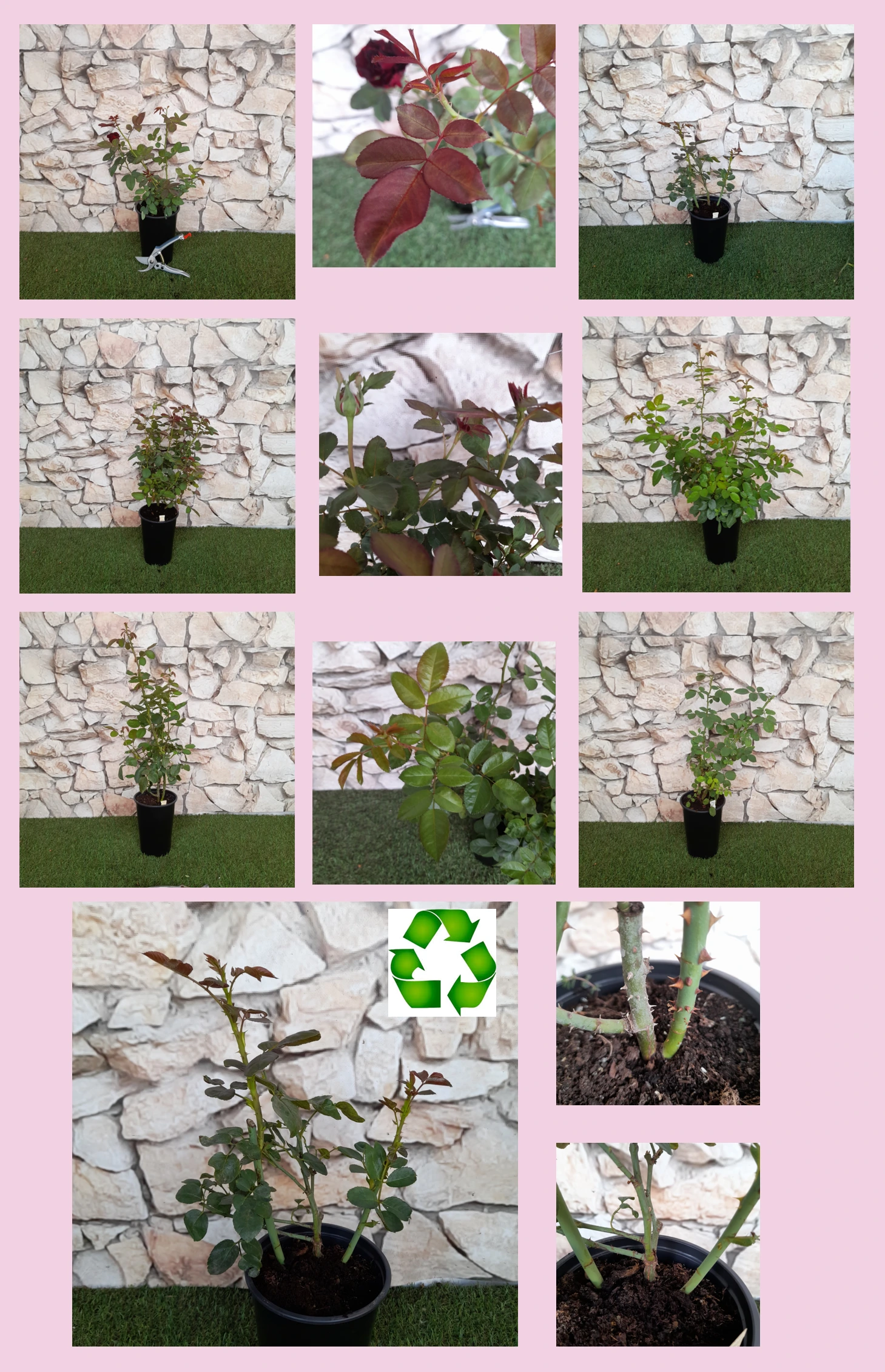
This nineteenth‑century classic brings richly velvety, almost blackish crimson blooms to small British gardens with surprisingly low day‑to‑day input. As an own‑root shrub it is naturally durable, building a stable bush that responds well to simple pruning and regular watering, even on heavier soils where good drainage helps it cope better with persistent rain and wind. Strong fragrance drifts across the garden from deeply double rosette flowers, ideal for cutting, while healthy mid‑green foliage shows very good disease resistance without complex spraying regimes. Over the seasons the colour remains dramatic yet harmonious alongside perennials, and with patient, basic care the plant moves from quiet establishment to its full romantic presence across the first three seasons.
Usage options
| Target area |
Reasoning |
| Front garden feature shrub |
The upright, bushy habit and deeply coloured blooms create a strong focal point near the house without demanding intricate care, so a single shrub can carry a small front bed for much of the season, suiting the time‑pressed beginner. |
| Historic or cottage‑style border |
As a nineteenth‑century hybrid perpetual, it slots naturally into cottage and period schemes, blending with traditional perennials while its own‑root durability supports long‑term planting plans in family gardens for the style‑conscious homeowner. |
| Low‑intervention mixed rose bed |
Outstanding resistance to black spot, mildew and rust allows it to thrive with minimal spraying, so a small group of plants can offer reliable colour and form in an easy‑care bed, ideal for the health‑conscious gardener. |
| Cutting patch near the house |
Large, very double, strongly scented blooms on upright stems are well suited to cutting for the home; repeat flowering, even if lighter later, provides regular stems for vases, rewarding the fragrance‑loving enthusiast. |
| Specimen shrub in lawn or gravel |
Planted at generous spacing as a solitary shrub, its dense foliage and dramatic flower colour deliver impact from a single planting hole, and own‑root growth helps it regain shape after simple annual pruning, pleasing the design‑minded planner. |
| Part‑shade side garden |
Partial‑shade tolerance lets it perform beside paths and walls that receive only half‑day sun, provided regular watering is given in hot spells, making use of trickier side areas for the space‑limited urbanite. |
| Raised bed on heavier soils |
In regions with wet, heavy ground, a modest raised bed or improved drainage helps protect roots in persistent wet and blustery weather, keeping the shrub stable and healthy for the long term, reassuring the cautious owner. |
| Large decorative container (40–60 litres) |
A sizeable, well‑drained pot of at least 40–50 litres supports its height and root system; with regular watering it offers scented, period charm on patios or terraces, bringing roses within reach of the busy balcony‑gardener. |
Styling ideas
- Victorian accent – Place one shrub by the front path with a low edging of lavender to echo period gardens – for lovers of historic, scented entrances.
- Cottage trio – Plant three in a loose triangle with foxgloves and hardy geraniums for a relaxed cottage look – for those wanting soft structure without complex design.
- Moody contrast – Combine with silver foliage plants and white campanulas to highlight the dark crimson blooms – for gardeners who enjoy dramatic, evening‑friendly borders.
- Romantic hedge – Use a short row at recommended hedge spacing to frame a seating area, underplanted with catmint – for families seeking a gentle floral screen.
- Patio statement – Grow a single plant in a large clay pot with trailing thyme around the rim – for small‑space owners wanting classic roses on the terrace.
Technical cultivar profile
| Property |
Data |
| Name and registration |
Empereur du Maroc, historic hybrid perpetual shrub rose; commercial type historic garden rose, ARS exhibition name Empereur du Maroc, unregistered cultivar used under long‑established trade name. |
| Origin and breeding |
Bred in France by Bertrand Guinoisseau‑Flon, introduced by Eugène Verdier in 1858; parentage recorded as 'Géant des Batailles' × seedling, representing classic mid‑nineteenth‑century breeding. |
| Growth and structural characteristics |
Upright, bushy shrub reaching around 110–160 cm high and 80–120 cm across, with dense, matt mid‑green foliage and strong prickliness, forming a solid, structural presence in beds and borders. |
| Flower morphology |
Large, very double rosette blooms with over 40 petals, typically borne singly; classified as remontant, with a strong main flush followed by lighter repeat flowering during suitable weather conditions. |
| Colour data and phenology |
Deep, velvety dark crimson with black‑toned shading, especially in cooler conditions; colour may fade in heat and bright sun, giving a smoky chestnut to plum‑black effect before finally softening. |
| Fragrance and aroma |
Very strong, garden‑filling perfume with a deeply spicy sweet character, providing classic old‑rose scent suitable for siting near paths, entrances or seating areas where the fragrance can be appreciated. |
| Hip characteristics |
Hip set generally sparse due to very double flowers; where formed, hips are ovoid, orange‑red, around 12–18 mm in diameter, adding modest late‑season interest without being a dominant feature. |
| Resistance and winter hardiness |
Rated highly hardy to approximately −32 to −29 °C (RHS H7, USDA 4b, Swedish zone 5) with very good resistance to black spot, powdery mildew and rust under typical garden conditions. |
| Horticultural recommendations |
Best with regular watering, especially in heat, as drought tolerance is poor; space 100–180 cm according to use, deadhead spent blooms, and prune annually to maintain an upright, flowering framework. |
Empereur du Maroc offers richly scented, dark crimson blooms on a healthy, long‑lived own‑root shrub that settles in reliably with straightforward care, making it a thoughtful choice for enduring garden character.