ELMSHORN® – deep pink park rose – Kordes
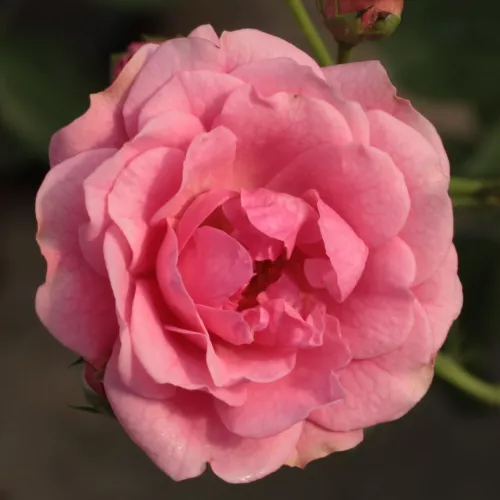
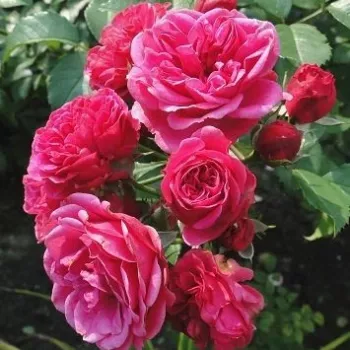
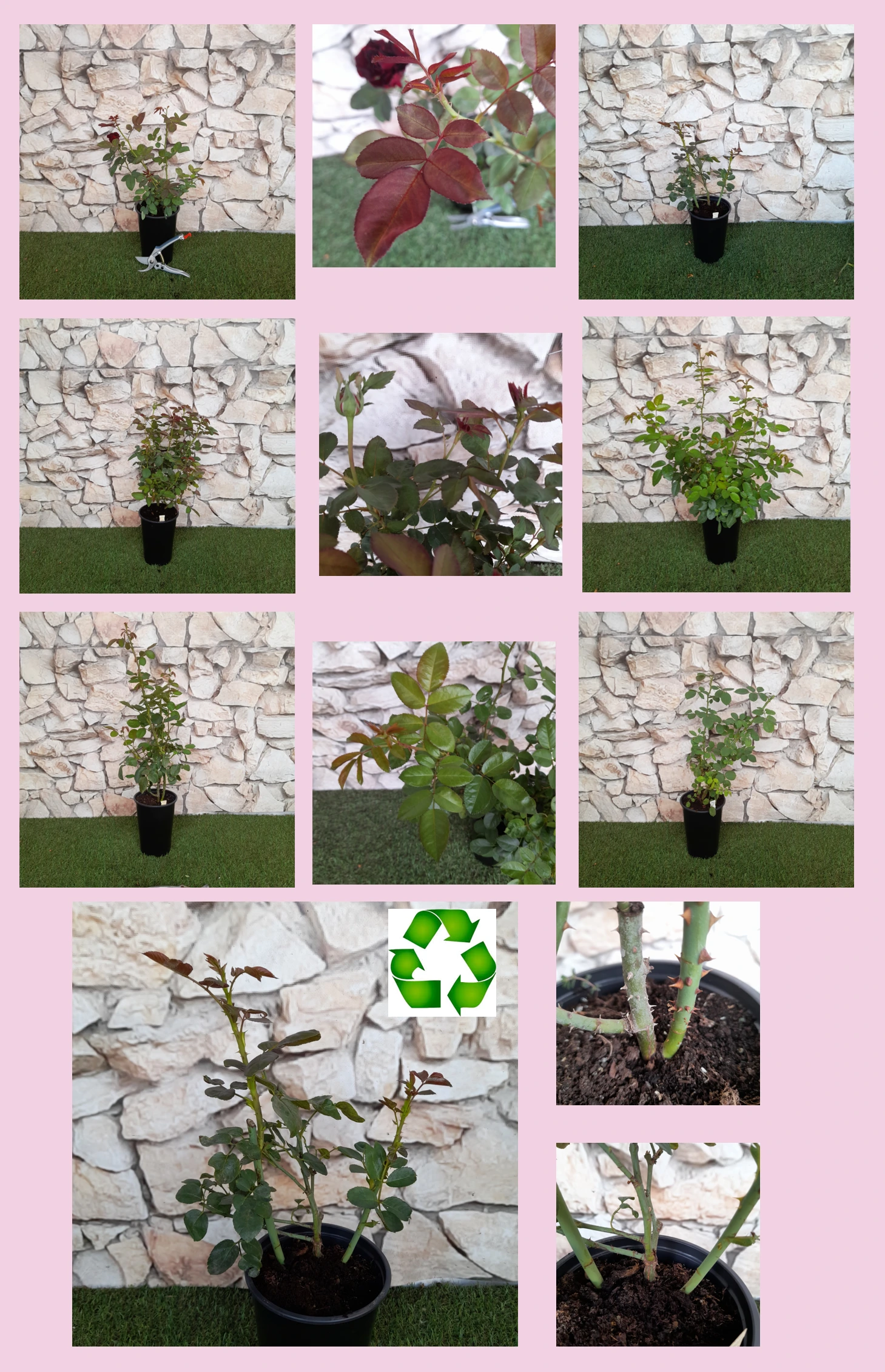
Cottage charm and abundant clusters of deep pink blooms bring a familiar, traditional look to smaller British gardens, while its upright, bushy habit makes it easy to slot into existing borders. Semi-double flowers in generous sprays sit above light, glossy foliage, creating a long-season display that feels at home beside brickwork, picket fences or classic mixed beds. As an own-root plant it settles in securely and builds a durable framework over the years, supporting a long-lived, reliable shrub with minimal structural care. In its first seasons it concentrates on roots, then shoots, then full ornamental value by year three, so you can look forward to a steadily improving show. Well-suited to front gardens exposed to rain and wind where good drainage helps it cope with challenging climates, it also offers moderate pollinator interest and modest autumn hips for wildlife. Use one as a flowering hedge accent or a small group for a fuller, park-style effect that feels instantly at home. For those who enjoy seasonal deadheading and simple pest checks, Elmshorn® rewards regular attention with an increasingly generous display.
Usage options
| Target area |
Reasoning |
| Front garden accent shrub |
The upright, bushy habit and deep pink clusters give quick impact in a modest footprint, ideal beside paths, bay windows or front doors where a single shrub can be appreciated up close; suits gardeners who like a classic, welcoming approach, including beginners. |
| Low park-style hedge |
Planted at the recommended spacing, Elmshorn® forms an informal flowering line, its repeat-flowering clusters softening boundaries and driveways; regular deadheading and basic disease control keep the hedge tidy for those who enjoy light but frequent tasks, including homeowners. |
| Mixed cottage border |
Deep pink, small semi-double flowers mix easily with perennials and ornamental grasses, giving a relaxed cottage look; own-root plants gradually build a stable, long-lived framework that fits evolving borders without complex pruning, suiting aesthetically minded gardeners. |
| Small bed, 3–5 rose group |
A compact group of Elmshorn® creates a carpet of deep pink sprays, particularly effective in rectangular or corner beds; uniform height and structure simplify shaping and maintenance, rewarding simple feeding and watering routines followed by seasonal checks from enthusiasts. |
| Urban around-the-house planting |
Elmshorn® copes well with typical town gardens when given sun and decent drainage, handling exposed corners where rain and wind funnel between buildings; in return for periodic spraying and deadheading it gives that familiar, reassuring rose presence valued by busy residents. |
| Solitary specimen in lawn or gravel |
As a single specimen at 120–190 cm high, its upright form and repeated flushes create a focal point among lawn, gravel or low groundcovers; over several seasons the own-root shrub thickens into a durable feature, ideal for those who prefer one well-tended centrepiece. |
| Large container on patio (40–60 litres) |
In a 40–60 litre container with quality compost and regular watering, Elmshorn® gives cottage colour on patios or terraces where flowerbeds are limited; the moderate size and upright habit are easy to manage in pots by time-pressed but style-conscious urbanites. |
| Wildlife-friendly decorative corner |
Semi-double blooms offer moderate pollinator access, while autumn brings small red hips that add seasonal interest and light wildlife value; within a managed regime of pruning and protection, this appeals to those wanting ornament with a nod to nature-loving families. |
Styling ideas
- Cottage sweep – Plant three Elmshorn® in a gentle curve along a front path, underplant with feverfew and low nepeta to echo traditional cottage borders – ideal for romantically inclined beginners.
- Brick backdrop – Set a loose row against house brick or a garden wall, spacing to show each shrub’s outline, and weave in Ilex crenata balls for year-round structure – suited to neat, design-aware homeowners.
- Gravel feature – Use one Elmshorn® as a focal point in a gravel bed with switchgrass ‘Sangria’ and low thyme to contrast airy grasses with dense rose clusters – appealing to low-lawn, modern cottage gardeners.
- Patio statement – Grow in a 50–60 litre terracotta pot with trailing lobelia and ivy, placing it by French doors for repeat colour where borders are limited – perfect for balcony and courtyard garden keepers.
- Informal hedge – Create a flowering boundary by mixing Elmshorn® with other shrub roses in complementary pinks and creams, allowing a relaxed line that still reads as a hedge – good for family gardens seeking softness.
Technical cultivar profile
| Parameter |
Data |
| Name and registration |
Elmshorn® is a park-suitable shrub rose of the Hybrid Musk and Lambertiana group, sold as a park rose under the trade name Elmshorn® without a separately registered cultivar denomination. |
| Origin and breeding |
Bred by Reimer Kordes of W. Kordes’ Söhne in Germany from the cross ‘Hamburg’ × ‘Verdun’, introduced in 1951 and reflecting classic mid-twentieth-century shrub rose development for garden and landscape use. |
| Awards and recognition |
Received an ADR distinction in 1950 and an RNRS Certificate of Merit the same year; the ADR title was later withdrawn as performance expectations evolved, but the cultivar remains of historical and collector interest. |
| Growth and structural characteristics |
Upright, bushy shrub reaching approximately 120–190 cm in height and 100–160 cm in spread, with moderately dense, light green glossy foliage and moderate prickliness, forming a substantial, park-style rose bush. |
| Flower morphology |
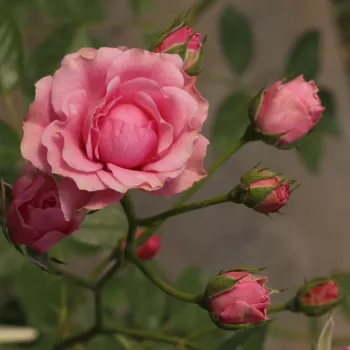
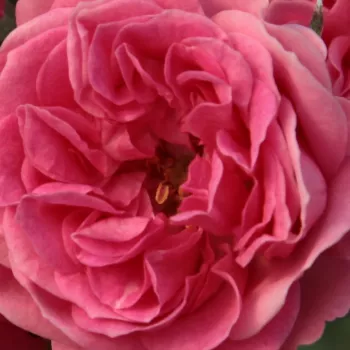
Bears small, semi-double, cup-shaped blooms with around 13–25 petals in multi-flowered clusters; remontant habit gives strong early flowering followed by an abundant second flush under suitable garden conditions. |
| Colour data and phenology |
Vibrant deep pink flowers (RHS 52A outer, 53B inner) with a cherry-red tone, buds darker with a slight purple tinge; colour lightens in heat and with age, petal edges paling while the centre stays more saturated. |
| Fragrance and aroma |
Fragrance is very weak and barely perceptible, with no clearly documented scent character; grown primarily for its colour effect and flower clusters rather than for perfume-driven planting schemes or scented gardens. |
| Hip characteristics |
Produces moderate quantities of small, spherical red hips, around 6–10 mm in diameter, contributing modest autumn interest and potential wildlife value without dominating the shrub’s overall ornamental character. |
| Resistance and winter hardiness |
Very susceptible to powdery mildew, black spot and rust, so regular monitoring and protection are needed; fully hardy to around −32 to −29 °C (RHS H7, USDA 4b, Swedish zone 5), tolerating cold winters once established. |
| Horticultural recommendations |
Best in full sun with well-drained soil and regular watering in dry spells; requires attentive deadheading and integrated pest and disease management, with spacing of 110–200 cm depending on hedge, mass or specimen use. |
Elmshorn® offers classic deep pink clusters, an upright long-lived shrub form and own-root resilience for years of garden character, making it a thoughtful choice if you are happy to partner it with regular care.