ELARA – orange bedding floribunda rose – PANdocell
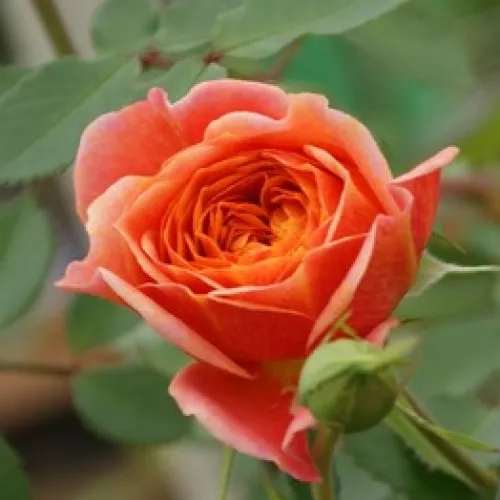
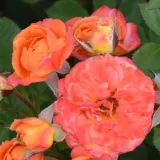
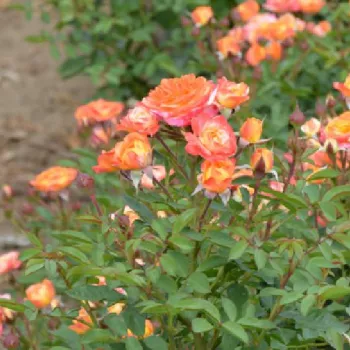
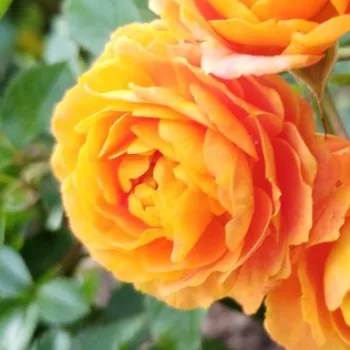
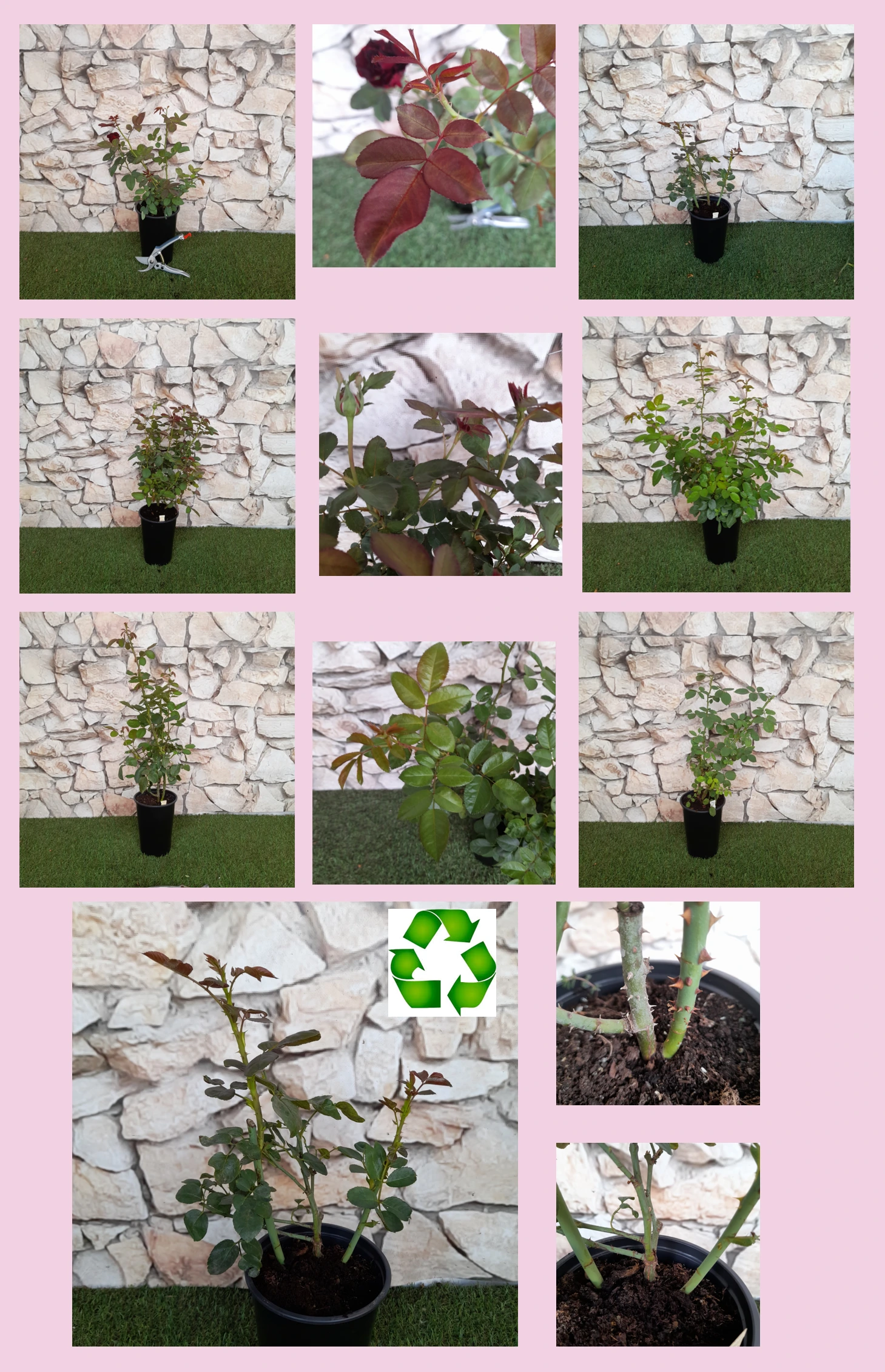
Colour lovers seeking an effortless, compact rose for a family garden will appreciate how ELARA settles quickly and performs reliably with only modest maintenance. This bushy, low floribunda forms neat, rounded shrubs ideal for front gardens and small borders, creating orderly, flower-filled edging without complex horticultural work. Clusters of very double, cup-shaped blooms open in a vivid orange mandarin tone, then soften through salmon and peach-pink to creamy, pale shades, giving long-lasting, ever-changing interest on each stem. Its moderate, well-balanced growth suits typical British plots, including heavier soils where simple raised beds or improved drainage help it cope with wet and windy spells in exposed positions near the coast. With good resistance to black spot and powdery mildew, and only occasional checks needed for rust, it remains attractively clothed in mid-green, matt foliage over many seasons. As an own-root plant, ELARA gradually forms its natural bush shape and regenerates well after pruning, supporting a long ornamental life with fewer worries for busy gardeners. It is equally at home in the ground or in a substantial container of at least 40–50 litres, where its repeat flowering clusters and softening hues can be enjoyed up close on patios and front steps. Over time you see steady progress – first strong roots, then building shoots, and by the third year its full bedding presence completes the picture.
Usage options
| Target area |
Reasoning |
| Front garden bedding strip |
Compact height and bushy habit allow ELARA to create a tidy, low line of blooms along drives and paths without overshadowing windows or needing intricate pruning. Its reliable repeat flowering keeps entrances welcoming for visitors and neighbours, even when time for gardening is limited, suiting the aesthetics-focused beginner. |
| Small mixed cottage border |
The warm coral-orange clusters, fading through peach and cream, blend effortlessly with cottage favourites such as purple coneflowers and asters, giving a gentle, romantic palette from early summer onwards. Remontant, cluster-flowered stems ensure colour between taller perennials without complicated deadheading routines, ideal for the busy urban homeowner. |
| Low flowering hedge |
Planted at closer spacing, ELARA knits into a low, bushy line, its moderately dense foliage and repeated flushes of blooms forming an attractive, informal hedge to define garden rooms or front boundaries. Own-root growth offers good regeneration after trimming, supporting a long-lived structure for the practical family gardener. |
| Patio tub or large container |
In a 40–50 litre or larger container, its moderate height and neat outline suit doorways, terraces and balconies, where the changing orange-to-peach tones can be appreciated at eye level. The plant’s adaptable own-root system settles well in pots with consistent watering, fitting the lifestyle of time-poor city gardeners. |
| Edging for small beds and paths |
Regular but not sprawling growth allows ELARA to edge beds cleanly, keeping planting schemes looking intentional rather than overgrown. Medium self-cleaning means a light tidy of spent blooms is enough to preserve appearance, with good disease resistance supporting neat foliage for low-effort garden style seekers. |
| Part-shaded town garden border |
Tolerance of partial shade lets ELARA flower reliably where sun falls for only part of the day, such as between buildings or in north–south side passages. Its bushy silhouette stays balanced without drawing excessively towards the light, easing layout decisions for constrained-space front-garden owners. |
| Informal mass planting in beds |
When grouped, the moderate height and 40–60 cm spread combine into a soft, continuous carpet of colour, with clusters of double blooms giving impact from a distance. Good resistance to black spot and powdery mildew keeps mass plantings looking coherent even in humid, rain-prone districts, helpful for low-input planting projects. |
| Long-term family garden feature |
As an own-root shrub, ELARA builds a stable framework that responds well to simple annual pruning, recovering from weather damage and keeping its ornamental value over many years. This resilience, plus its ability to cope with typical British wet-and-windy spells when drainage is sensible, supports confidence for cautious garden beginners. |
Styling ideas
- Cottage-ribbon – run ELARA in a gentle curve along a front path, punctuated with lavender and dwarf asters for a soft-edged cottage walk – for lovers of traditional British front gardens.
- Sunset-duo – pair its coral-orange blooms with dusky pink knautia in a small island bed to create a warm, romantic “sunset” focal point – for homeowners wanting easy drama from few plants.
- Patio-accent – plant a single ELARA in a 50-litre terracotta pot by the front door, underplanted with trailing thyme to frame the changing flower colours – for busy urban gardeners seeking instant welcome.
- Peach-border – use groups of three along a mixed border with creamy grasses and white perennials, letting the fading peach tones blend everything together – for design-conscious beginners favouring harmonious palettes.
- Low-division – line the edge of a play lawn with a low hedge of ELARA, combining flowers and subtle structure without tall thorns near children – for families wanting order and colour with simple care.
Technical cultivar profile
| Parameter |
Data |
| Name and registration |
Floribunda bedding rose, registered as PANdocell, marketed as ELARA – orange bedding floribunda rose – Panozzo; shrub rose type within the bedding rose collection for garden use. |
| Origin and breeding |
Bred by Bernard Panozzo in France and introduced in 2019 through La Star de Doué; detailed parentage remains unknown but selection focuses on bedding performance and colour effect. |
| Growth and structural characteristics |
Bushy, compact shrub reaching about 50–75 cm in height and 40–60 cm in spread, with moderately dense, matt mid‑green foliage and moderate prickliness suited to low bedding and edging roles. |
| Flower morphology |
Medium-sized, very double cup-shaped blooms with over 40 petals, produced in clusters on branching stems; remontant habit with a plentiful second flush and ongoing flowering in suitable conditions. |
| Colour data and phenology |
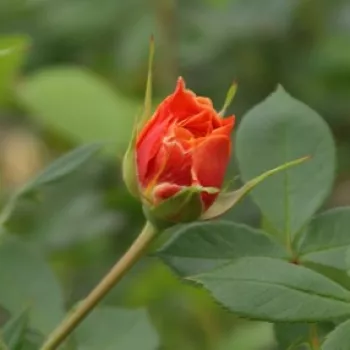
Vivid coral-orange with golden-yellow sheen in buds and new blooms, maturing through salmon, peach-pink and pale peach with creamy margins; multitone effect provides strong ornamental interest as flowers age. |
| Fragrance and aroma |
Fragrance is very weak, with only a barely noticeable rosy character close up; chosen primarily for floribunda bedding impact and colour play rather than for strong scent in garden compositions. |
| Hip characteristics |
Low hip production due to very double flowers; occasional small spherical hips, about 6–10 mm across, develop in bright red and can add light late-season interest without significant self-seeding. |
| Resistance and winter hardiness |
Hardy to around −21 to −18 °C (RHS H7, USDA 6b, Swedish zone 3) with good resistance to black spot and powdery mildew, and moderate rust susceptibility, benefiting from standard preventive care. |
| Horticultural recommendations |
Best at 35–75 cm spacing depending on use; suitable for beds, edging, low hedges, large containers and cutting; prefers reasonable watering and occasional cleaning of spent blooms for optimal display. |
ELARA – orange bedding floribunda rose – PANdocell offers compact, colourful bedding displays, dependable repeat flowering and adaptable own-root durability, making it a thoughtful choice for long-term, easy-care family gardens.