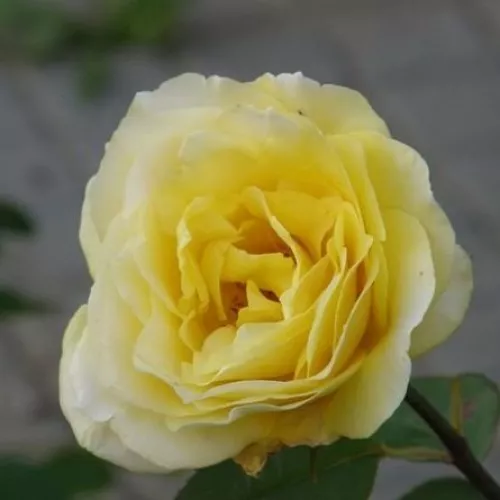
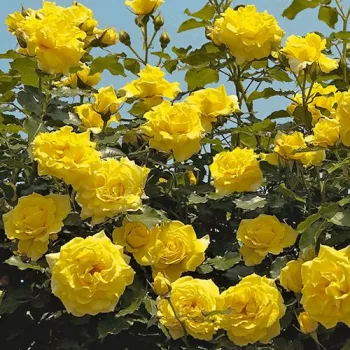
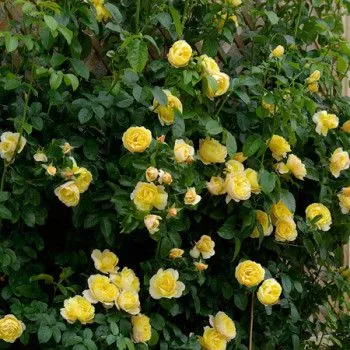
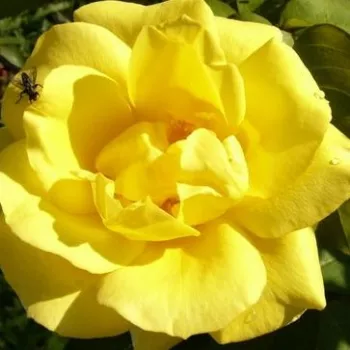
Dune® Grand Perfumes DELgrim – yellow climbing rose
Warm sunlight tones and a fresh, citrus fragrance make Dune® a welcoming, easy-going climbing rose for classic British front gardens and cottage-style walls. Its medium maintenance needs suit those who want dependable colour without specialist skills, while its repeat flowering habit keeps pergolas, arches and façades bright from early summer into autumn. Trained on a trellis or over a doorway, the semi-double clusters of golden-yellow blooms soften to buttery pastels, staying harmonious with brick, stone and painted render. As an own-root plant it settles reliably, maturing from strong roots in the first year to fuller shoots and a satisfying display by year three, giving stable height and coverage even where wind and rain demand good anchoring and careful drainage.
Usage options
| Target area | Reasoning |
|---|
| Front-garden arch or pergola |
Dune® is a medium-maintenance climber with a reliable, repeat-flowering habit, ideal for training over arches and pergolas where you want impact without intensive work. Semi-double flowers and moderate vigour keep it manageable for beginners. |
| South- or west-facing house wall |
The warm yellow blooms read beautifully against brick or render, and the strong lemony scent creates a welcoming approach to the front door. Own-root growth gives long-term stability and balanced coverage for homeowners. |
| Cottage-style mixed border backdrop |
Used on a trellis at the back of a cottage border, its moderate height and medium foliage density provide a soft vertical screen without overwhelming neighbouring perennials, suiting style-conscious but time-poor gardeners. |
| Small group planting along a fence |
Planted 1.7–1.8 m apart, several plants create a gentle, continuous ribbon of buttery yellow flowers. The own-root form knits in over the years, giving a coherent, low-fuss hedge line for busy families. |
| Partial-shade side return or alleyway |
This variety tolerates partial shade, so it works along side paths where sun is limited. You still gain colour, scent and structural height without needing to redesign the space, useful for compact urban plots. |
| Feature rose in a large container |
In a 40–50 litre or larger pot with good drainage, Dune® can be trained up an obelisk to bring height and fragrance to patios or terraces, offering flexible planting for balcony and courtyard owners. |
| Wind-exposed coastal or open gardens |
The climbing habit, own-root anchoring and H7 hardiness help it settle into more exposed positions, provided the soil is well drained and not waterlogged in wet, windy spells, reassuring nervous starters. |
| Long-term family garden investment |
Planted once and allowed to establish—roots in year one, structure in year two, full ornamental effect in year three—it develops into a durable, repeat-flowering framework rose for low-intervention, long-view planners. |
Styling ideas
- Cottage Archway – Train Dune® over a simple wooden arch with meadow scabious and common tansy at the base for a soft, country feel – for lovers of relaxed cottage entrances.
- Golden Facade – Pair it on a sunny wall with smoke bush ‘Royal Purple’ and pale stone containers for a refined contrast of yellow and deep plum – for design-focused homeowners.
- Courtyard Obelisk – Grow one plant in a 50 litre pot with an obelisk, underplanted with low lavender or thyme, to bring scent and height to paved spaces – for busy urban gardeners.
- Fence Ribbon – Space several plants along a standard panel fence, interplanted with airy perennials, to create a continuous but not overpowering flowering screen – for families wanting privacy and colour.
- Side-Path Glow – Use a narrow trellis in a partially shaded side return, combining Dune® with shade-tolerant perennials to brighten an overlooked route – for those improving awkward corners.
Technical cultivar profile
| Parameter | Data |
|---|
| Name and registration |
Dune® Grand Perfumes DELgrim, large-flowered climbing rose; ARS exhibition name Dune; registered cultivar DELgrim within the Grand Perfumes collection for ornamental garden use. |
| Origin and breeding |
Bred by Georges Delbard, France, and introduced in 1993 by Delbard Pépinières et Roseraies; parentage not recorded, selected for colour, fragrance and climbing garden performance. |
| Awards and recognition |
Holder of three international medals, underlining its ornamental value and dependable garden performance, though individual competition details are not specified in available records. |
| Growth and structural characteristics |
Climbing habit to around 2.4–3.6 m high with 1.5–2.3 m spread; moderately thorny, mid-green, slightly glossy foliage of medium density, suitable for training on walls, arches and pergolas. |
| Flower morphology |
Semi-double, cup-shaped blooms with 13–25 petals, medium-sized clusters on the stems; remontant with a generous second flush, giving an extended flowering season in suitable conditions. |
| Colour data and phenology |
Radiant sun-yellow flowers; buds golden yellow, opening deep lemon within and sun-yellow outside; ARS DY, RHS 14A outer, 13B inner, fading to softer buttery pastels in full sun over time. |
| Fragrance and aroma |
Strong, noticeable fragrance with a fresh, lemony character; primarily planted for ornamental and sensory effect in family gardens rather than for culinary or cosmetic uses. |
| Hip characteristics |
Rose hip set is generally low due to semi-double flowers; occasional small, spherical hips 10–14 mm across, ripening to a vivid red and adding a modest late-season decorative accent. |
| Resistance and winter hardiness |
Medium disease resistance to powdery mildew, black spot and rust; hardy to about –23 to –21 °C (RHS H7, USDA 6a), with moderate heat tolerance if watered in prolonged dry spells. |
| Horticultural recommendations |
Best on supports such as pergolas, arches, walls or trellises; plant 1.7–2.7 m apart, in well-drained soil, with occasional pruning and routine checks for common fungal diseases as needed. |
Dune® Grand Perfumes DELgrim offers warm yellow repeat flowering, strong lemony scent and stable own-root growth for long-lived structures, making it a thoughtful choice if you seek an easy yet characterful climbing rose.