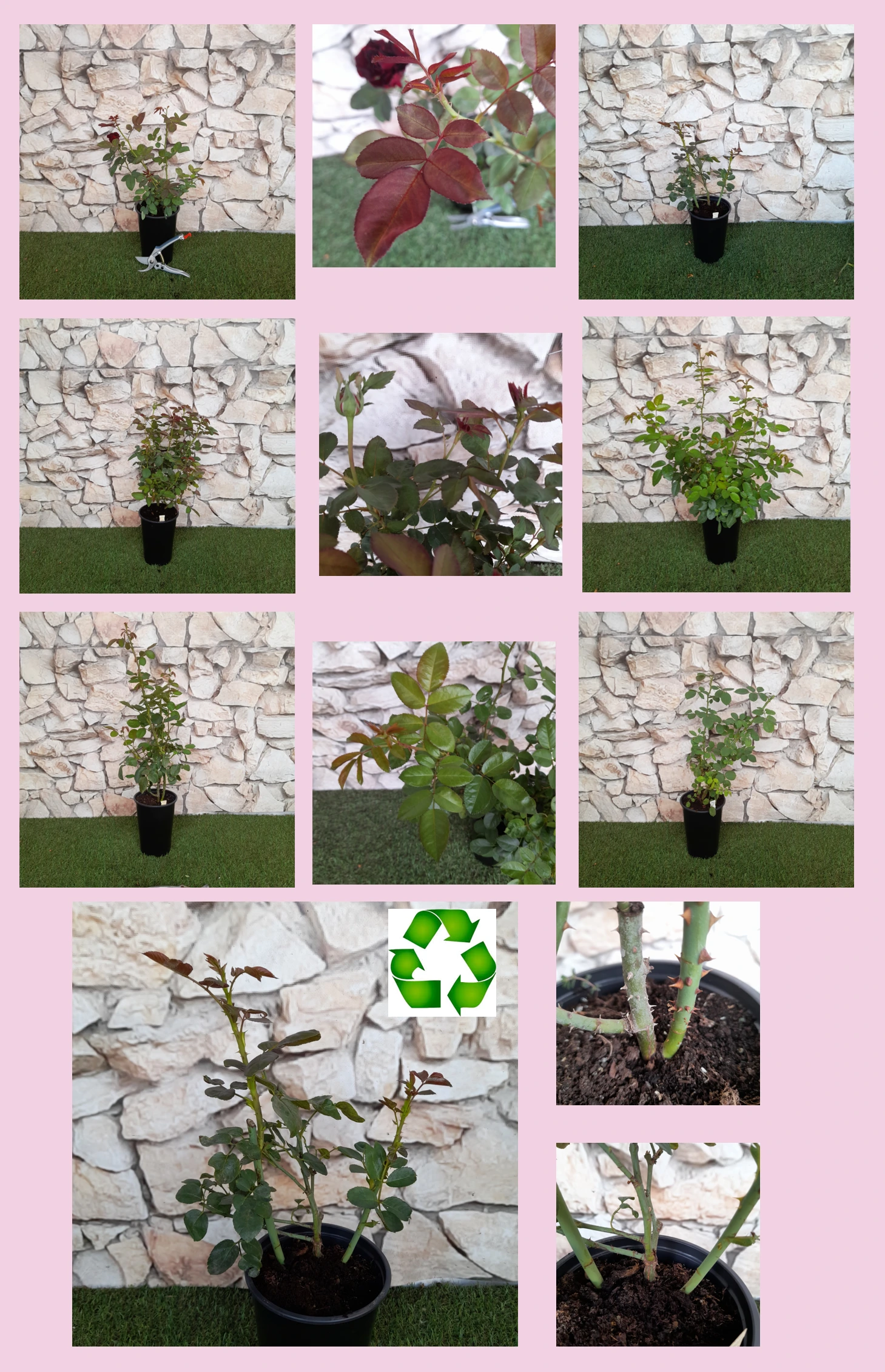
Doris Tysterman – hybrid tea rose
Classic hybrid tea form, vibrant orange colouring and upright habit make Doris Tysterman a natural choice for smart front gardens and tidy cottage borders where you want reliable flowers without fuss. Its semi-double blooms open from pointed buds into elegant, cut-flower-quality roses that repeat steadily through the season, offering a graceful display even in typical British summers with cool spells and frequent showers. Own-root growth brings durable structure and good long-term shape, quietly regenerating after winter and supporting a long lifespan with modest care. In its first year it concentrates on roots, the second on shoots and framework, and by the third delivers full ornamental value. Medium maintenance needs, manageable size and versatile use in borders, hedging or large containers help you keep an attractive garden layout without complex pruning plans.
Usage options
| Target area | Reasoning |
|---|
| Front-garden focal point by the path or doorway |
The upright habit and hybrid tea flower form give a smart, structured look that suits small front gardens and around-the-house beds, offering clear shape without complicated pruning, ideal for a simple, aesthetics-focused beginner. |
| Compact mixed border in a family garden |
The manageable height and spread fit neatly into average borders without overwhelming neighbouring perennials, providing a dependable backbone and avoiding the need for constant size control, suiting a busy urban gardener. |
| Seasonal cut-flower corner or cutting row |
High-centred, pointed buds on upright stems lend themselves to home cutting, so you can enjoy florist-style orange roses indoors while the plant keeps repeating outside, rewarding the keen home flower arranger. |
| Small group planting of 3–5 shrubs |
Planted at 60 cm intervals, several bushes create a glowing orange accent that reads as a single feature, yet remains easy to look after and renew over many seasons, reassuring the long-term planning homeowner. |
| Loose, low informal hedge along a path or drive |
Regular spacing at about 50 cm forms a lightly screening row whose semi-double flowers and dense, glossy foliage give interest beyond bloom time, manageable with straightforward annual trimming for the practical front-garden owner. |
| Large container on patio, terrace or balcony |
Its medium size and upright growth adapt well to a 40–50 litre pot, where own-root stability and moderate feeding keep it performing reliably without complex repotting cycles, ideal for the space-limited balcony gardener. |
| Mixed cottage-style planting with perennials |
The semi-double flowers and bronze-green foliage weave comfortably among classics like coreopsis or blanket flower, bringing cottage charm that copes steadily with cool, showery British spells, pleasing the traditional cottage-garden lover. |
| Pollinator-friendly rose feature in a sunny border |
The semi-double form leaves stamens partly accessible, so bees can still visit while you enjoy classic hybrid tea shapes and repeat flushes, creating a gentle wildlife benefit for the nature-conscious beginner. |
Styling ideas
- Front-door welcome – Position one rose by the entrance with low evergreen edging and gravel mulch for clean lines and easy access – ideal for time-poor homeowners.
- Cottage accent – Combine with coreopsis, blanket flower and airy grasses for a warm-toned cottage strip that looks full with limited upkeep – perfect for relaxed style lovers.
- Cutting corner – Plant three in a row with simple support and a mulch path in front, giving a dedicated source of orange stems without crowding – suited to home florists.
- Patio statement – Grow it in a 40–50 litre terracotta pot with trailing thyme or lobelia at the base for colour at different levels – convenient for balcony and terrace gardeners.
- Informal hedge – Create a low, wavy line along a drive, underplanting with hardy groundcovers to reduce weeding and keep maintenance light – helpful for family gardens with limited time.
Technical cultivar profile
| Parameter | Data |
|---|
| Name and registration |
Hybrid tea rose with the registered cultivar name Doris Tysterman, marketed as Doris Tysterman hybrid tea rose; verified, premium silver quality own-root plant for garden use. |
| Origin and breeding |
Bred by Willem E. Tysterman in the United Kingdom from ‘Peer Gynt’ × unknown seedling; introduced and registered in 1975, representing classic twentieth-century hybrid tea breeding. |
| Growth and structural characteristics |
Upright, medium-sized bush reaching about 85–115 cm high and 70–95 cm wide, with dense, glossy bronze-green foliage and moderate thorns, forming a balanced, easy-to-place garden shrub. |
| Flower morphology |
Semi-double, medium-sized blooms with 13–25 petals, high-centred and pointed-budded in classic cut-rose style, borne mainly singly on stems, repeating well with an abundant second flush. |
| Colour data and phenology |
Bright orange overall effect, starting deep coppery-orange in bud, then radiant orange with copper edge, softening to peachy orange and lighter flame tones, colour holding better in cooler conditions. |
| Fragrance and aroma |
Mild, delicately sweet scent typical of many modern hybrid teas; not overpowering near seating areas, yet noticeable on close inspection of fresh blooms in the garden or vase. |
| Hip characteristics |
Produces moderate quantities of small, ovoid orange-red hips about 10–14 mm across, extending seasonal interest into autumn when spent flowers are left uncut on the plant. |
| Resistance and winter hardiness |
Hardy to around −26 to −23 °C (RHS H7, USDA 5b), with medium resistance to black spot, powdery mildew and rust; benefits from regular watering and basic preventive care in stressful seasons. |
| Horticultural recommendations |
Best in sunny positions with well-drained soil; medium maintenance, including occasional deadheading and pest control, with planting distances from 50 to 100 cm depending on hedging or specimen use. |
Doris Tysterman offers classic orange hybrid tea blooms, manageable growth and reliable repeat flowering on a long-lived own-root framework; a thoughtful choice if you want lasting colour with straightforward care.