Stephen Rulo – pink-beige flowerbed grandiflora rose – Chaney
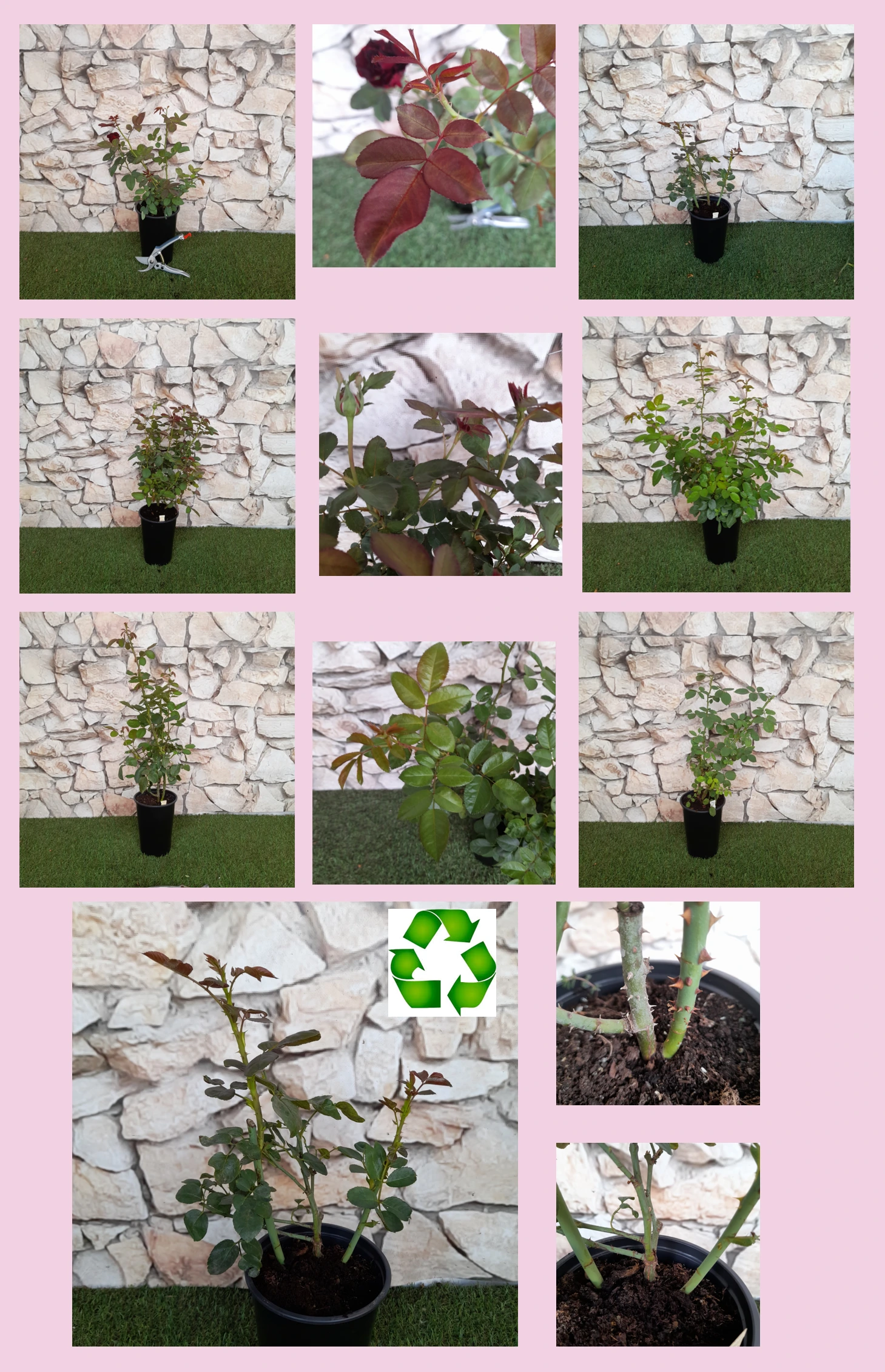
With its muted pink-beige blooms and elegant, upright habit, Stephen Rulo offers a contemporary twist on classic front-garden roses while remaining genuinely easy to manage. Bred as a grandiflora, it produces large, high-centred flowers on sturdy stems for reliable garden colour and occasional cut use. Its well-branched, dense foliage and moderate height make it naturally compact, ideal for beds and borders in typical British family gardens, where space must work hard but still look refined. Disease resistance is a clear strength, helping the plant stay in leaf and attractive even in damp, fungus-prone seasons near coasts or in humid, breezy conditions. As an own-root rose, it develops a stable framework over time, giving reassuring longevity and the ability to regenerate from the base after harder pruning or weather damage. In the first year it quietly builds roots, the second brings stronger shoots, and by the third season you see its full ornamental potential. It copes well in typical clay-based UK soils provided reasonable drainage, and is equally suitable for low-maintenance borders, small group plantings, or a single feature specimen close to the house. For long-term structure in a modest space, it gives a polished yet relaxed effect that fits both cottage and more contemporary schemes.
Usage options
| Target area | Reasoning |
|---|
| Front garden feature rose |
Its upright yet moderate size and naturally compact branching create a neat, vertical accent that sits comfortably near paths, drives or bay windows without overwhelming the space, offering reliable structure for style-conscious beginners. |
| Low-maintenance family flowerbed |
Strong disease resistance keeps foliage presentable with fewer sprays, making it a sensible choice for busy households that want colour without constant care, especially where children and pets share the garden, suiting time-poor urban gardeners. |
| Small groups in mixed borders |
Planted in trios or small drifts, its regular flowering and balanced height help knit perennials and shrubs into a coherent picture, giving depth and rhythm without complex design work for hobby gardeners seeking dependable results. |
| Specimen rose near seating areas |
The large, show-style blooms are best appreciated close-up, and its tidy upright habit allows easy underplanting with low perennials, creating a focal point that remains manageable for those who want a standout plant with simple care. |
| Classic cottage-style combinations |
The muted pink-beige flowers blend gently with blues, creams and mauves, so it slips naturally into cottage schemes alongside bellflowers or airy annuals, helping create a soft, romantic look without demanding expert colour planning for style-led beginners. |
| Loose, naturalistic planting |
Its slightly relaxed, naturalistic growth, combined with high-centred blooms, bridges formal roses and wilder perennials, fitting well among grasses and verticals like Liatris to give an informal, modern feel that still stays controlled for design-conscious homeowners. |
| Cutting for vases from the garden |
High-centred, XL flowers on sufficiently strong stems allow you to cut a few blooms for the house without spoiling the shrub’s outline, providing simple, at-hand material for informal arrangements valued by home decorators and flower lovers. |
| Structure in challenging, wind-prone beds |
Good disease resistance and an upright, well-furnished frame help it remain attractive where wind and frequent rain can stress weaker roses, so with sensible watering it suits exposed suburban plots managed by practical, comfort-focused gardeners. |
Styling ideas
- Bay-window – Plant a pair on either side of a front window with low lavender or nepeta to soften the base, giving a smart yet relaxed frontage – ideal for homeowners wanting kerb appeal with minimal fuss.
- Cottage – Combine with Campanula persicifolia and soft geraniums in a small border, letting the muted blooms weave through airy perennials – perfect for cottage-garden enthusiasts who prefer gentle, blended colour.
- Contemporary – Use three plants in a staggered triangle within a gravel mulched bed, underplanted with low grasses, to highlight the structured habit and flower form – suited to modern, design-aware garden owners.
- Family – Place a single plant near a seating area, edged with easy herbs like chives and thyme, for a scented, tactile corner children and adults can enjoy together – great for busy families wanting one reliable focal rose.
- Patio – Grow one plant in a large 40–50 litre container with simple evergreen companions, such as small box balls, to bring rose blooms right up to the terrace – fitting for flat or townhouse gardeners with limited ground space.
Technical cultivar profile
| Parameter | Data |
|---|
| Name and registration |
Grandiflora bed rose, registered as WECulo, marketed as Stephen Rulo Flowerbed rose WECulo, ARS exhibition name Stephen Rulo; premium silver quality, authenticity verified for consumer garden use. |
| Origin and breeding |
Bred by William E. Chaney in the United States from Singin’ in the Rain × Stainless Steel; introduced by Wisconsin Roses in 2008, registered in 2007 for garden and exhibition use. |
| Growth and structural characteristics |
Upright, moderately thorny shrub reaching about 90–120 cm in height and 60–80 cm spread, with dense, light green, matt foliage forming a well-filled bush suitable for beds, borders and small-group planting. |
| Flower morphology |
Large, high-centred, double flowers with 26–39 petals, borne mostly in clusters; XL bloom size with pointed buds, repeating strongly through the season when deadheaded to remove spent blooms. |
| Colour data and phenology |
Muted mallow-rose pink with a beige, cappuccino-toned centre; tones shift from café-au-lait with mauve outer petals to powdery lavender-pink, fading to rose-grey and silvery, cool edges depending on light and temperature. |
| Fragrance and aroma |
No reliable fragrance data currently available; any scent is likely to be secondary to the visual effect, so this cultivar is best chosen for flower form, colour play and structural presence rather than perfume. |
| Hip characteristics |
Rosehips form only occasionally due to double flowers; where present they are generally small, around 12–18 mm in diameter, and not a primary ornamental or wildlife feature of this particular cultivar. |
| Resistance and winter hardiness |
Shows good resistance to powdery mildew, black spot and rust; hardy to approximately –26 to –23 °C (RHS H7, Swedish Zone 4, USDA 5b), with moderate heat tolerance needing regular watering in prolonged droughts. |
| Horticultural recommendations |
Best in sunny positions with free-draining but moisture-retentive soil; plant 50–60 cm apart in beds or hedging, about 2.8–3.2 plants/m² for massing, and allow around 90 cm space when used as a single specimen. |
Stephen Rulo offers refined pink-beige blooms, dependable disease resistance and a compact, own-root form that matures into a long-lived, easy-care shrub, making it a thoughtful choice for those planning a lasting family garden.