Diorama – yellow hybrid tea rose
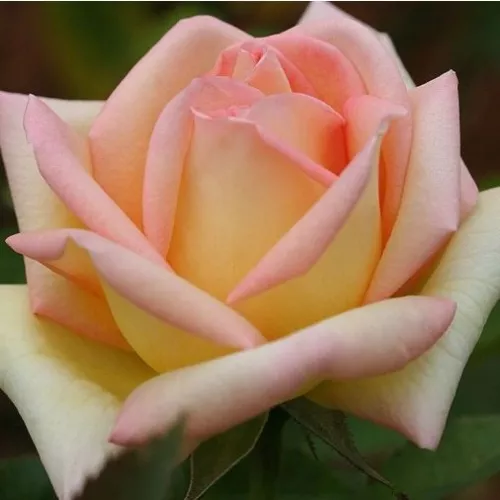
Compact and neatly formed, Diorama is an ideal choice when you would like a classic hybrid tea rose that produces perfectly shaped blooms without overwhelming a smaller plot. Its buttery, peach-tinted yellow flowers appear on upright stems through the season, offering reliable cutting material for the house as well as neat colour in beds. Medium height and dense foliage make it easy to fit into front gardens and around-the-house borders, where it copes well with typical British moisture levels and breeze, helping in gardens that face coastal winds and lingering damp. As an own-root rose it settles gradually and steadily, building a balanced shrub that regenerates well after pruning for a long, dependable life. With a remontant flowering habit and a pleasantly fragrant, classic rose scent, it offers both visual and sensory interest. Moderately thorny stems and compact growth make routine care straightforward for hobby gardeners, and over time its lifespan and stable shape reward simple, consistent basic care rather than complex horticulture.
Usage options
| Target area |
Reasoning |
| Small front-garden flower bed |
The compact, upright growth and modest spread make Diorama an excellent fit for small front gardens where space is limited but you still want a classic hybrid tea presence. Its medium maintenance suits busy homeowners and beginners who prefer straightforward care – ideal for the beginner. |
| Around-the-house borders |
Dense, slightly glossy foliage and neat proportions allow Diorama to sit comfortably along paths, drives and house walls, giving ordered structure without becoming leggy. As an own-root plant it forms a stable, long-lived shrub that integrates naturally with existing shrubs and perennials – reassuring for the long-planner. |
| Cutting patch for home bouquets |
The high-centred, exhibition-style blooms on straight stems are well suited to home cutting, providing elegant yellow roses with a classic form and medium, noticeable fragrance for vases. Regular picking encourages further flowers, supporting a steady supply through the season – appealing to the home-stylist. |
| Small groups in cottage-style borders |
Planted in groups of three to five, Diorama’s warm yellow-peach tones blend attractively with cottage perennials such as lavender and Siberian bugloss, while its moderate height keeps the border tidy. The remontant habit ensures recurring flushes for a consistently soft, romantic effect – perfect for the cottage-lover. |
| Low, formal rose bed |
The compact habit and recommended closer planting distances allow Diorama to form a low, uniform bed that reads as a controlled, formal feature in the garden. Moderate disease resistance and straightforward deadheading support an ordered look without excessive intervention – suitable for the tidiness-seeker. |
| Mixed shrub and rose scheme |
With its moderate height and dense foliage, Diorama sits well in front of taller shrubs such as Cornus kousa, providing a soft, warm-yellow foreground. Own-root vigour and the ability to regenerate from the base support long-term structure within mixed plantings – attractive to the planner. |
| Large patio container (40–50 litres+) |
In a generously sized container, Diorama’s compact, upright shape is easy to manage near seating areas, where its medium-strength fragrance can be enjoyed up close. Steady repeating flushes give reliable colour on terraces without complex pruning, provided watering is consistent – ideal for the balcony-gardener. |
| Weather-exposed but sheltered-by-buildings gardens |
For gardens that experience regular wind and damp air yet some shelter from surrounding buildings, Diorama’s sturdy, low framework is less prone to wind rock and looks composed in changeable weather. Moderate disease resistance copes reasonably with humidity and typical British fungal pressure – reassuring for the busy-owner. |
Styling ideas
- Soft-Front-Border – Combine Diorama with English lavender and low silvery foliage to echo traditional British front gardens while remaining compact and easy to maintain – for lovers of calm, ordered entrances.
- Cottage-Mix – Plant in a loose group with Siberian bugloss and other blue-toned perennials so the warm yellow blooms glow among cool underplanting – for those seeking romantic, cottage-style charm.
- Cutting-Corner – Dedicate a sunny strip for several Diorama bushes, giving a steady supply of high-centred, fragrant stems for the house while keeping garden beds undisturbed – for home florists who like simple harvests.
- Formal-Pattern – Use the compact habit to outline a small geometric bed or low parterre, pairing with neatly clipped evergreen shapes for structure year round – for gardeners who enjoy classical, symmetrical layouts.
- Patio-Focus – Grow Diorama in a single large terracotta pot, adding trailing herbs at the base so the scented yellow blooms become a focal point by seating or doors – for urban owners making the most of limited space.
Technical cultivar profile
| Parameter |
Data |
| Name and registration |
Diorama – hybrid tea rose; registered cultivar name and ARS exhibition name Diorama; commercial type hybrid tea rose for garden and cutting use. |
| Origin and breeding |
Bred by Gerrit De Ruiter, De Ruiter Innovations B.V., Netherlands; cross of ‘Peace’ × ‘Beauté’; bred 1965, registered 1965, introduced 1968 via Roy H. Rumsey Pty. Ltd. |
| Growth and structural characteristics |
Compact, upright bush 30–50 cm high and 30–45 cm wide, with dense, medium green, slightly glossy foliage and moderately thorny stems; suitable for closer planting distances. |
| Flower morphology |
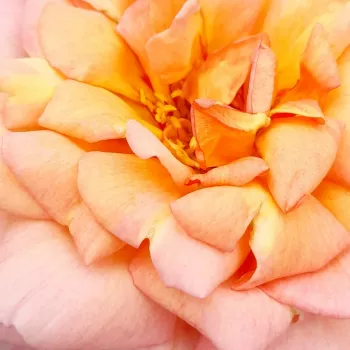
Large, double, high-centred hybrid tea blooms with 26–39 petals; solitary on stems; classic pointed buds; remontant with a generous second flush in suitable conditions. |
| Colour data and phenology |
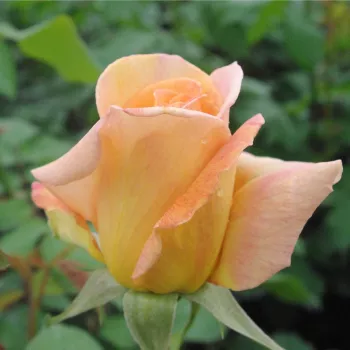
Warm yellow with a soft peach tint; golden buds open buttery yellow with apricot tones, then fade to cream and pastel lemon-yellow; ARS colour code YB, RHS 14C–15B ranges. |
| Fragrance and aroma |
Medium-strength, classic rose fragrance, pleasantly noticeable at close range; primarily grown for ornamental and cutting value rather than for culinary or cosmetic uses. |
| Hip characteristics |
Sparse hip set; when produced, hips are small, 8–12 mm diameter, spherical and bright vivid red (RHS 43A), adding discrete late-season interest without heavy seeding. |
| Resistance and winter hardiness |
Hardy to approximately −21 to −18 °C (RHS H7; USDA 6b, Swedish zone 3); moderate resistance to powdery mildew and black spot; good rust resistance under garden conditions. |
| Horticultural recommendations |
Best in sunny positions; medium maintenance with occasional pest and disease control; plant 30–60 cm apart depending on use; deadhead for repeat bloom and tidy appearance. |
Diorama offers compact habit, repeat flowering and gently fragrant, warm yellow blooms on a durable own-root framework, making it a sound choice for long-lived, easy-care planting in smaller British gardens.