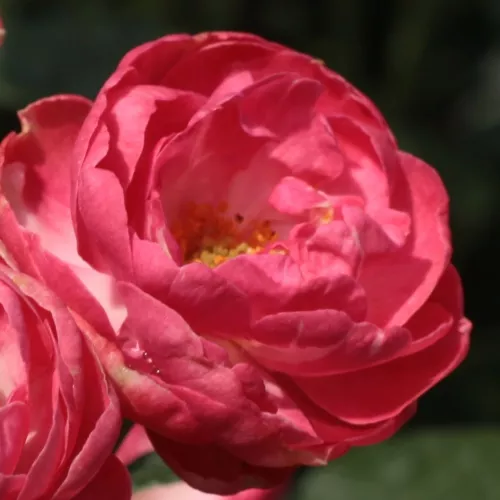
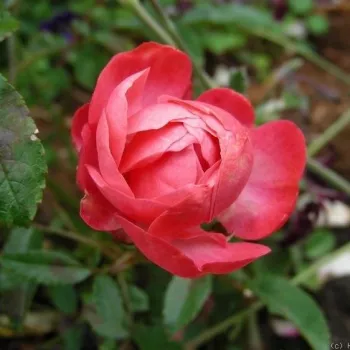
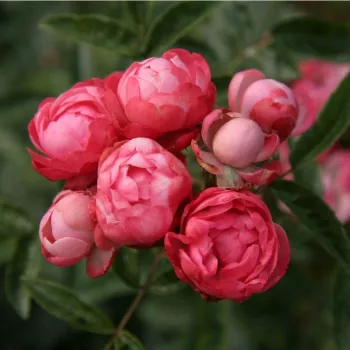
Dick Koster™ bedding polyantha rose
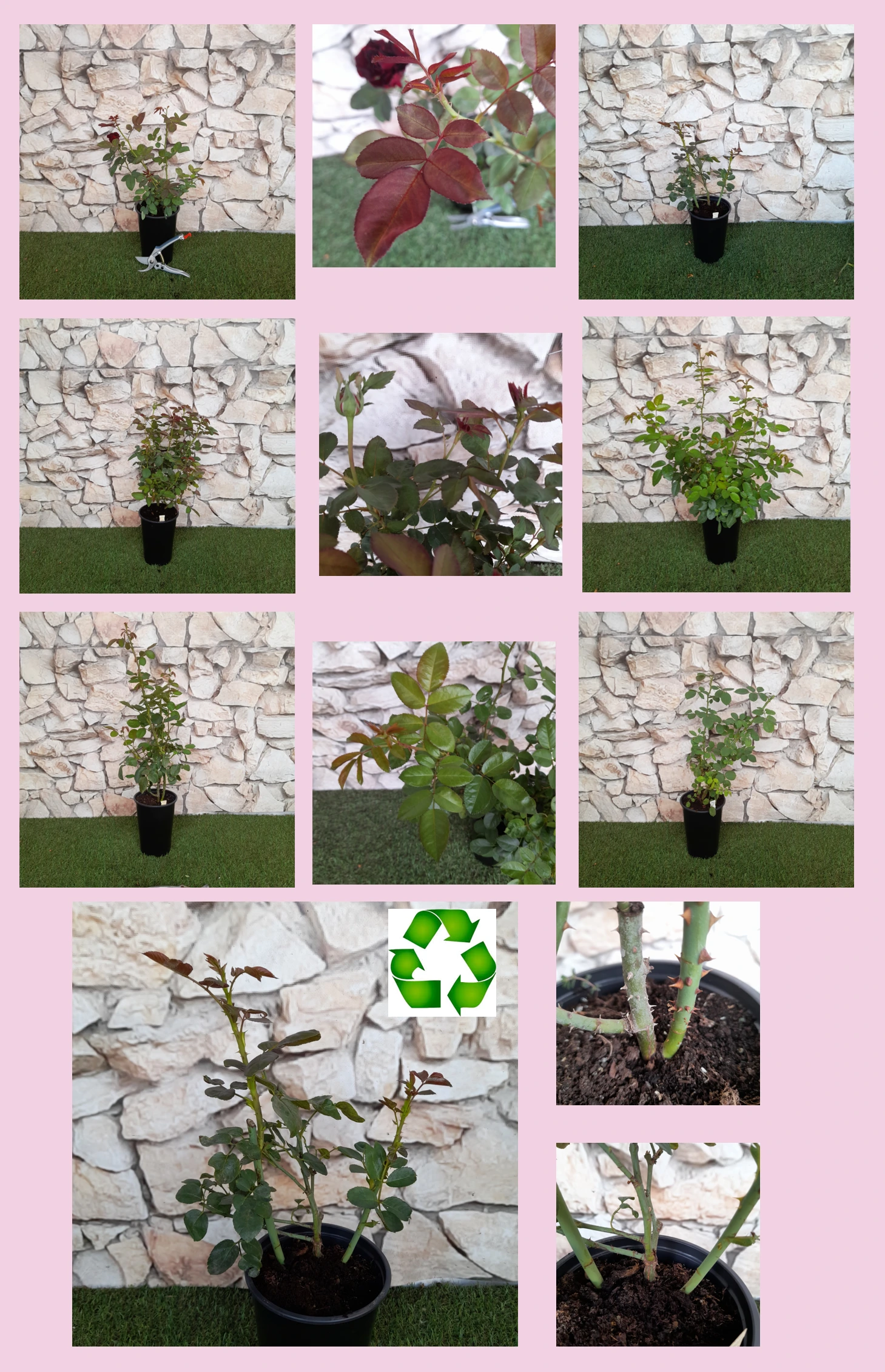
Compact clusters of vivid pink pompon blooms make Dick Koster™ an easy choice when you want a neat, low border that performs reliably without complex care, even where you must manage heavy soils with improved drainage. This classic polyantha forms a dense, rounded bush that stays low and tidy, ideal for front gardens and paths where consistent colour matters more than fuss. Its remontant flowering habit brings flush after flush of blossom through the season, while the own‑root format supports long-term stability and dependable regrowth after pruning or tougher winters. Over time it knits into a solid, flower-rich edge, with glossy dark foliage providing an attractive background for the changing pink tones. In the first year it concentrates on roots, in the second on shoots, and by the third season you can expect its full ornamental impact in a small family garden.
Usage options
| Target area | Reasoning |
|---|
| Front garden edging along paths or drives |
The low, compact habit creates a continuous, tidy edging line that does not overwhelm narrow spaces yet gives strong colour from clustered pompon flowers. Its structure helps keep front gardens looking organised with minimal intervention for beginners. |
| Small flower beds in family gardens |
Dense branching and regular repeat flowering make this rose ideal as the mainstay of modest beds where you want reliable display rather than complex mixed schemes. It quickly fills its allotted space, leaving fewer gaps for weeds for busy-owners. |
| Classic cottage-style mixed borders |
The rounded silhouette and small, ball-shaped blooms suit informal cottage compositions, weaving well between perennials without becoming leggy. Glossy dark foliage provides a calm foil to looser flowering companions for style-conscious. |
| Low rose hedging or edging strips |
Planted at closer spacing, the uniform height and compact spread allow you to form a low, flowering hedge that defines lawn edges or separates garden areas. Own-root growth ensures a long-lived, even line for planners. |
| Containers and large patio planters |
The naturally small stature fits well into substantial pots of at least 40–50 litres, where the plant forms a rounded, flower-laden mound. Regular repeat bloom provides long seasonal interest beside doors or seating for patio-owners. |
| Urban front gardens and courtyards |
Compact size and moderate care needs make it well suited to constrained, paved spaces where neatness matters. It copes well once established in raised beds that improve heavier soils and help manage excess moisture for town-gardeners. |
| Mass planting in public or shared spaces |
When planted in groups, its regular shape and steady repeat bloom give a carpet effect with minimal shaping. Bushes regenerate well from the base, building a durable planting that maintains form year after year for organisers. |
| Pollinator-friendly family areas |
Semi-double flowers offer some pollen access, so mixed with other nectar plants it can contribute to a more wildlife-aware garden while still prioritising decorative, pompon-style bloom. This balance appeals to design-led yet nature-aware gardeners. |
Styling ideas
- Cottage-ribbon – run a single or double row along a path, interspersed with soft perennials like panicled phlox to echo traditional cottage gardens – ideal for romantic front-garden owners.
- Colour-carpet – plant small drifts of 3–5 bushes in a square bed to create a low pink carpet that suppresses visual gaps – suitable for those wanting impact with little design work.
- Patio-mound – grow one plant in a 40–50 litre terracotta pot, underplant with trailing thyme or lobelia to soften edges – perfect for balcony or small-courtyard gardeners.
- Formal-border – alternate with low grasses such as Carex ‘Blue Zinger’ to contrast pink clusters against cool blue-green foliage – for homeowners favouring structured yet soft-edged planting.
- Family-frame – edge a children’s lawn or play area, backing with taller, airy perennials and baby’s-breath for a light, cloud-like backdrop – well suited to families seeking a gentle, non-spiky look.
Technical cultivar profile
| Parameter | Data |
|---|
| Name and registration |
Polyantha bedding rose; registered cultivar name ‘Dick Koster’, also traded as Dick Koster™ Bedding rose Dick Koster; ARS exhibition name: Dick Koster; unregistered in formal registers. |
| Origin and breeding |
Sport selection from polyantha ‘Anneke Koster’, bred and introduced by D. A. Koster & Sons, Boskoop, Netherlands, in 1929; long-established cultivar with proven garden performance. |
| Awards and recognition |
Polyantha Spray Award from the Raleigh Rose Society (USA) in 2001, reflecting dependable exhibition performance in cluster-flowered categories and stable, uniform flowering habits. |
| Growth and structural characteristics |
Compact, bushy habit 35–50 cm high and 40–60 cm wide, with dense, glossy dark green foliage; moderately thorny shoots; forms a rounded, low mound suitable for edging and bedding use. |
| Flower morphology |
Semi-double, ball-shaped pompon clusters; 13–25 petals; small flowers around 0.5–1.5 inches; repeat flowering with especially abundant second flush; medium self-cleaning, some spent blooms may need removal. |
| Colour data and phenology |
Deep pink with slight raspberry tinge; outer petals RHS 55A, inner 55B; buds dark pink; opens with paler centre, then even deep pink, later fading to soft powder pink with lighter petal edges before withering. |
| Fragrance and aroma |
Fragrance very weak and barely perceptible; not chosen for scent but for colour and form; semi-double flowers provide limited but present pollen resources, partly supporting visiting pollinating insects. |
| Hip characteristics |
Produces moderate quantities of small, spherical hips 5–7 mm across; orange-red by late season; mainly ornamental at close range and lightly beneficial for wildlife interest where flowers are not deadheaded. |
| Resistance and winter hardiness |
Hardy to approximately −26 to −23 °C (USDA 5b, RHS H7, Swedish Zone 4); disease resistance medium to black spot, powdery mildew and rust; tolerates summer heat but needs watering in extended dry spells. |
| Horticultural recommendations |
Best in full sun; moderate maintenance with occasional plant protection; spacing 30–55 cm depending on use, giving 8.2–9.4 plants/m² for mass planting; suitable for beds, edging, containers and urban plantings. |
Dick Koster™ offers compact, long-lived clusters of pink bloom on a durable own-root plant, giving tidy edging, repeat colour and dependable structure in everyday gardens; consider it if you want lasting charm with straightforward care.