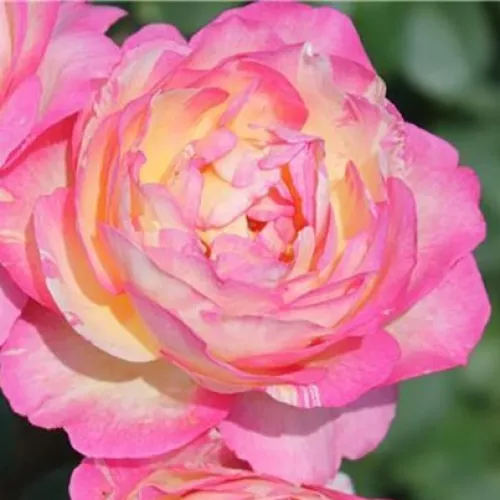
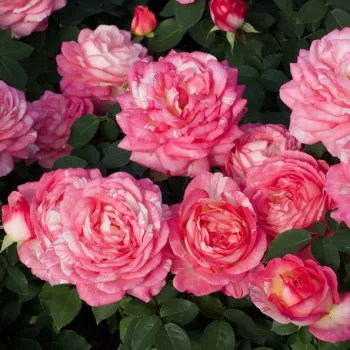
REGAL PRINCE – pink-white bedding floribunda rose
Reliable and quietly elegant, REGAL PRINCE brings soft pink‑and‑cream blooms to small British gardens with very little fuss. Its upright, well‑proportioned habit forms a tidy background in front gardens and mixed borders, giving you consistent colour from early summer with an abundant second flush. Bred for strong health, it shows firm resistance to common rose diseases, so you can enjoy an orderly, flowering display without regular spraying. As an own‑root plant, it settles in, matures, and then delivers its full ornamental effect over several seasons, balancing root growth, then shoot structure, then complete garden presence in a natural rhythm. Medium‑sized, very full clusters of pastel blooms fit beautifully into cottage‑style planting and classic British front gardens, suiting clay or chalk soils where drainage is sensibly managed against persistent wet weather. Over the years this long‑lived, stable framework becomes a dependable feature, rewarding steady but simple care with a composed, refined display.
Usage options
| Target area | Reasoning |
|---|
| Front garden accent by the path |
The upright yet compact growth gives a clear, vertical outline that reads well from the pavement without overwhelming smaller spaces. Planted at the recommended spacing, it creates a neat, legible structure that is easy to trim back if needed, helping newcomers keep a smart entrance garden with straightforward winter pruning – ideal for the time‑pressed beginner. |
| Small bedding groups (3–5 plants) |
Cluster‑flowered stems carry multiple medium blooms at once, so even a short row or small bed can look generously filled. Grouping a few plants together strengthens the mass of flower and foliage, giving a plush, regal effect that works particularly well in traditional front gardens without requiring elaborate design – perfect for visually focused homeowners. |
| Cottage‑style border with perennials |
The pastel pink and cream bicolour blends smoothly with lavender, foxgloves, and cottage favourites, avoiding harsh contrasts. Its very full, cupped flowers add a romantic note that remains refined rather than blowzy, supporting that informal, “grown‑in” look many people want from cottage borders – reassuring for aesthetic‑minded gardeners. |
| Low‑maintenance family rose bed |
Healthy foliage and resistance to common fungal problems mean far fewer treatments in typical British humidity, reducing routine jobs to watering, feeding, and an annual prune. This makes it well suited to busy households who want classic roses but lack time for intensive care – a practical option for modern families. |
| Clay or chalk garden renovation |
Once planted into sensibly improved soil, the own‑root plant builds a robust framework that copes well with heavier ground, especially where raised or gently mounded beds prevent waterlogging. Over time the bush shape stabilises, giving a long‑term structure that does not need frequent replacement – helpful for long‑view planners. |
| Boundary or low informal hedge |
When planted in a row at hedge spacing, the consistent height and upright habit lend themselves to loose, flowering boundaries along drives or fences. Light annual trimming is usually enough to maintain line and density, keeping the hedge effect tidy but not rigid – attractive for privacy‑seeking neighbours. |
| Feature in larger containers (40–50 litres+) |
In a substantial pot of at least 40–50 litres with good drainage, this floribunda forms a vertical, compact centrepiece for terraces or small paved front gardens. The stable own‑root base lets it adapt gradually to container life and reshoot well after pruning, offering long‑term use without frequent replacement – convenient for space‑limited urbanites. |
| Mixed shrub and grass compositions |
The pastel, rapidly lightening bloom colour pairs gracefully with ornamental grasses and lighter shrubs, softening stronger textures. Reliable flowering and sturdy stems keep it present through the season even in exposed spots where thoughtful drainage helps in blustery, rain‑laden weather, adding composure to looser plantings – suitable for design‑curious starters. |
Styling ideas
- Pathway – Line a short front‑garden path with small groups of REGAL PRINCE, edging with low lavender for fragrance and a calm pink‑mauve palette – for homeowners wanting a welcoming, traditional entrance.
- Cottage – Combine with foxgloves, hardy geraniums and white campanulas in a narrow border; the soft bicolour flowers tie varied shapes together – for lovers of relaxed, cottage‑style planting.
- Regal – Plant three in a triangle in front of a dark evergreen backdrop; their pastel blooms read as a gentle focal point all summer – for those seeking understated front‑garden formality.
- Family – Use as a central feature in a 50‑litre container on a patio, underplanted with trailing thyme and violas – for busy families who want colour close to the seating area.
- Contrast – Pair with Cornus ‘Midwinter Fire’ and feather reed grass so the rose carries summer interest while stems and grasses shine in winter – for gardeners planning year‑round structure.
Technical cultivar profile
| Characteristic | Data |
|---|
| Name and registration |
REGAL PRINCE is a floribunda bedding rose marketed as a pink‑white flower bed type; discovered by pharmaROSA®, with no separate registered exhibition name recorded. |
| Origin and breeding |
Parentage is undocumented; discovered in France and dated to 2013, later introduced to the market by PharmaRosa® Ltd. in Hungary as part of their garden rose range. |
| Growth and structural characteristics |
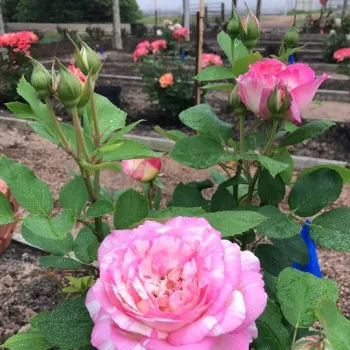
Forms an upright, moderately dense bush around 100–140 cm high and 65–95 cm wide, with mid‑green, slightly glossy foliage and moderate prickliness suitable for bed and border use. |
| Flower morphology |
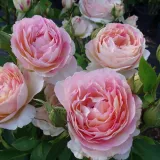
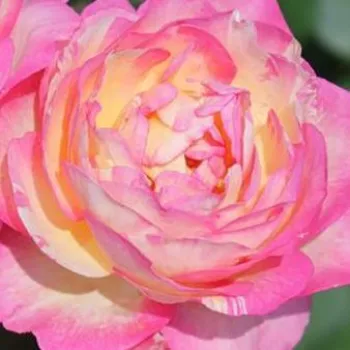
Medium‑sized, very full, cup‑shaped flowers (over 40 petals) borne in clusters, with remontant flowering and a notably abundant second flush that extends decorative impact through summer. |
| Colour data and phenology |
Pastel pink with a whitish‑cream‑yellow base; blooms quickly fade to powdery cream with a blush rim, creating a soft, bicoloured effect well suited to subtle, harmonious planting schemes. |
| Fragrance and aroma |
No reliable fragrance description or strength rating is available; any scent present is best considered a bonus rather than a primary selection criterion for this cultivar. |
| Hip characteristics |
Occasionally forms small spherical orange‑red hips about 8–12 mm across, adding a modest autumnal accent where flowers have been left un‑deadheaded late in the season. |
| Resistance and winter hardiness |
Rated H7 with hardiness around −21 to −18 °C; shows resistance to black spot, powdery mildew and rust, supporting reduced spraying in typical UK garden conditions. |
| Horticultural recommendations |
Best planted 50–90 cm apart depending on use; suits mass bedding, hedging and solitary positions, with low maintenance needs and general suitability for average garden soils. |
REGAL PRINCE offers healthy, low‑maintenance flowering, stable long‑term structure and reliable bedding performance as an own‑root rose, making it a considered choice for those planning a lasting, easy‑care garden feature.