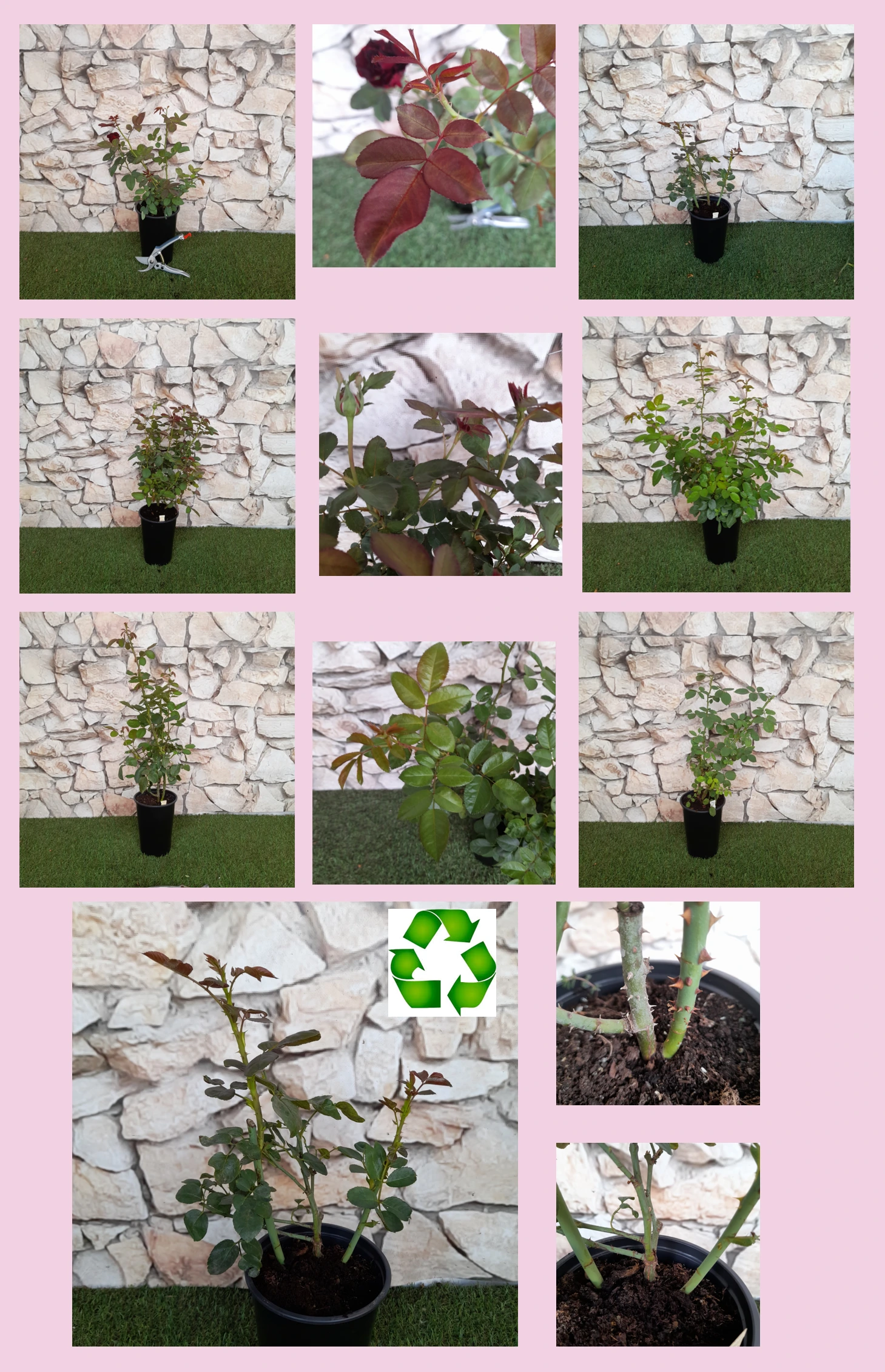
Delset – pale pink hybrid tea rose
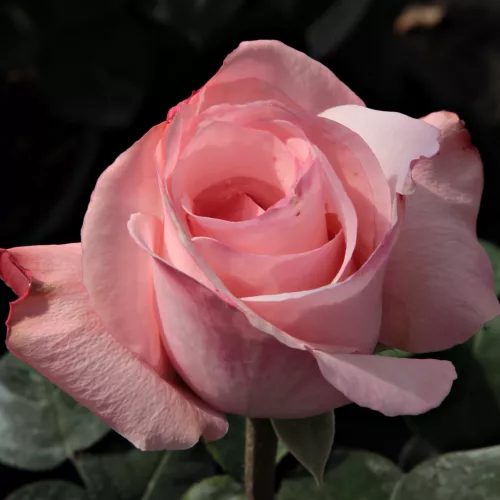
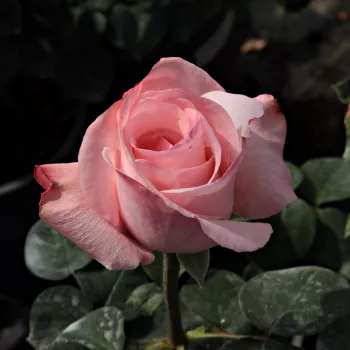
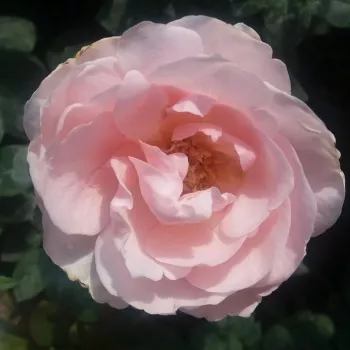
Elegant yet easy-going, Delset brings classic hybrid tea blooms to everyday gardens with minimal fuss, rewarding regular watering and feeding rather than expert care. Its upright, bushy habit and dense, glossy foliage create a tidy, structured border presence that suits both front gardens and cottage-style mixes. Large, softly pale-pink flowers appear repeatedly through the season, with an abundant second flush, offering reliable, long-lasting display for cutting and for the garden. Own-root planting means the shrub matures steadily, forming a durable framework that copes well with typical British weather and soils, including sites where you need secure anchoring in gusty, rain-prone conditions. Light, slightly sweet fragrance and refined flower form make it a natural choice near paths or seating, while its balanced size works in beds, borders and generous containers from about 40–50 litres. Expect the root system to establish in the first year, stronger shoots and shape in the second, and full ornamental value by the third, giving you a dependable, long-lived feature that complements both traditional and modern gardens with effortless grace.
Usage options
| Target area |
Reasoning |
| Front garden focal rose |
The upright, bushy habit and dense, glossy foliage give Delset a naturally tidy outline that suits small front gardens where space is limited but impact matters. The large, perfectly formed pale‑pink blooms read clearly from the pavement, with a refined yet welcoming look for households wanting an elegant first impression for the entrance-focused homeowner. |
| Cutting rose for home arrangements |
As an exhibition-quality hybrid tea, Delset offers long-stemmed, well-shaped flowers ideal for vases and indoor display. The double, goblet-shaped blooms hold their form well, and the colour progression from powder pink to pearly pastel tones looks sophisticated in simple bunches or mixed cottage-style jugs, making it an easy choice for the aesthetics-minded beginner. |
| Classic cottage-style bed |
The soft pale-pink flowers blend beautifully with traditional companions such as lavender, scabious and silvery foliage perennials, creating a romantic cottage feel without needing complex planting schemes. Its medium height layers comfortably with low perennials in front and taller shrubs behind, giving relaxed charm that still feels orderly for the cottage-garden enthusiast. |
| Small group planting in borders |
Planting Delset in groups of three to five at the recommended spacing produces a coherent, rose-dominated block of colour. The bushy structure fills gaps steadily while own-root growth builds a stable, long-term clump, giving dependable structure and flowering with modest maintenance for the busy family gardener. |
| Near paths, patios and seating |
The light, slightly sweet fragrance and refined flower shape are best enjoyed close up, so positioning Delset by a path or terrace lets you appreciate each bloom as it opens. The medium, manageable height keeps the plant at eye and hand level without overpowering narrow spaces, suiting the comfort-seeking homeowner. |
| Mixed shrub and perennial border |
Delset slots neatly among other shrubs and perennials, its upright form giving vertical accents while the repeated flowering provides season-long interest. Medium disease resistance means it stays presentable with straightforward care, aligning well with borders designed to look good without intensive regimes for the low-maintenance planner. |
| Large containers and courtyard gardens |
In a 40–50 litre or larger container, Delset’s compact footprint and upright growth make it ideal for patios and small courtyards. The own-root structure allows it to adapt gradually to confined soil, building a durable shrub that withstands everyday weather and the buffeting of exposed spots in wet, windy conditions for the urban balcony gardener. |
| Long-term feature rose in family gardens |
Because Delset is supplied as an own-root plant, it develops its natural bush form where you plant it, with roots establishing first, stronger shoots following, and full ornamental performance building over about three seasons. This gradual, robust development offers reassuring continuity for the future-focused garden owner. |
Styling ideas
- Versailles-Path – Line a short front path with Delset on one or both sides, underplanting with low lavender for soft scent and a formal-but-friendly approach – ideal for entrance-proud homeowners.
- Cottage-Mix – Combine Delset with Knautia macedonica and airy grasses for a relaxed, romantic border that still reads as tidy and structured – perfect for cottage-style beginners.
- Pastel-Patio – Grow Delset in a 50‑litre terracotta pot with trailing thyme and soft pink pelargoniums for a harmonious seating-area accent – suited to small-terrace dwellers.
- Family-Border – Plant a group of three Delset among spring bulbs and summer perennials to create a long-flowering, easy-care highlight that anchors the main garden view – great for busy family gardens.
- Cutting-Corner – Dedicate a sunny border strip to several Delset bushes with simple fillers like white sagebrush for foliage, giving a steady supply of elegant stems – appealing to home bouquet makers.
Technical cultivar profile
| Parameter |
Data |
| Name and registration |
Hybrid tea rose; registered cultivar name DELset, trade name Delset, also exhibited as Versailles in hybrid tea cut-flower classes; part of the Hybrid tea rose commercial group. |
| Origin and breeding |
Bred by André Delbard-Chabert at Pépinières et Roseraies Georges Delbard, France, from complex hybrid tea parentage; bred 1966, introduced and registered in 1967 for garden and cut use. |
| Awards and recognition |
Highly regarded show rose: Gold Medals at Geneva and Bagatelle 1966, Vermeil Medal at Lyon 1966, Silver at Saverne 1966, plus a special certificate recognising its notable fragrance. |
| Growth and structural characteristics |
Upright, bushy shrub reaching about 75–105 cm in height and 50–70 cm spread, with dense, dark green, glossy foliage and moderate thorns; forms a compact, well-filled, structural plant. |
| Flower morphology |
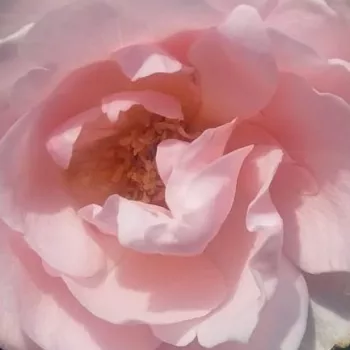
Large, double, goblet-shaped hybrid tea flowers with 26–39 petals produced mostly singly on stems; repeat-flowering through the season with an especially abundant second flush in summer. |
| Colour data and phenology |
Pale-pink hybrid tea, ARS code LP, RHS 55C outer, 54D inner; powder-pink buds open to pastel blooms that fade to pearly-edged pales, retaining a soft, silky sheen and generally good colour stability. |
| Fragrance and aroma |
Lightly but distinctly scented rose with a slightly sweet character; fragrance is understated and refined rather than strong, adding gentle perfume around paths, entrances and outdoor seating areas. |
| Hip characteristics |
Occasionally forms small decorative hips after flowering; ovoid, egg-shaped fruits about 8–12 mm across, coloured orange-red, adding a subtle seasonal accent where spent blooms are left on the plant. |
| Resistance and winter hardiness |
Medium overall disease resistance, with good resistance to powdery mildew and black spot, rust of medium concern; hardy to about −21 to −18 °C (RHS H7, USDA 6b, Swedish zone 3) in well-drained soil. |
| Horticultural recommendations |
Best in sunny beds, borders or large containers with fertile, well-drained soil; medium maintenance, benefits from routine feeding, pruning and occasional plant protection, spaced 50–90 cm depending on use. |
Delset offers elegant pale-pink blooms, reliable repeat flowering and a compact, tidy habit on a long-lived own-root shrub, making it a thoughtful choice if you would like a refined yet undemanding garden rose.