DELGROUGE – red climbing rose, climber – Delbard
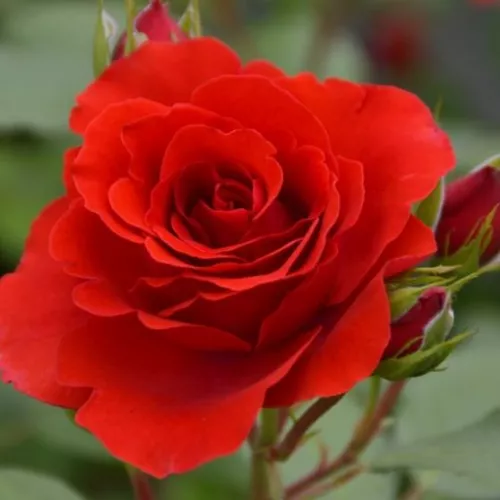
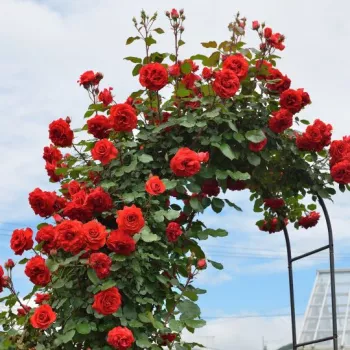
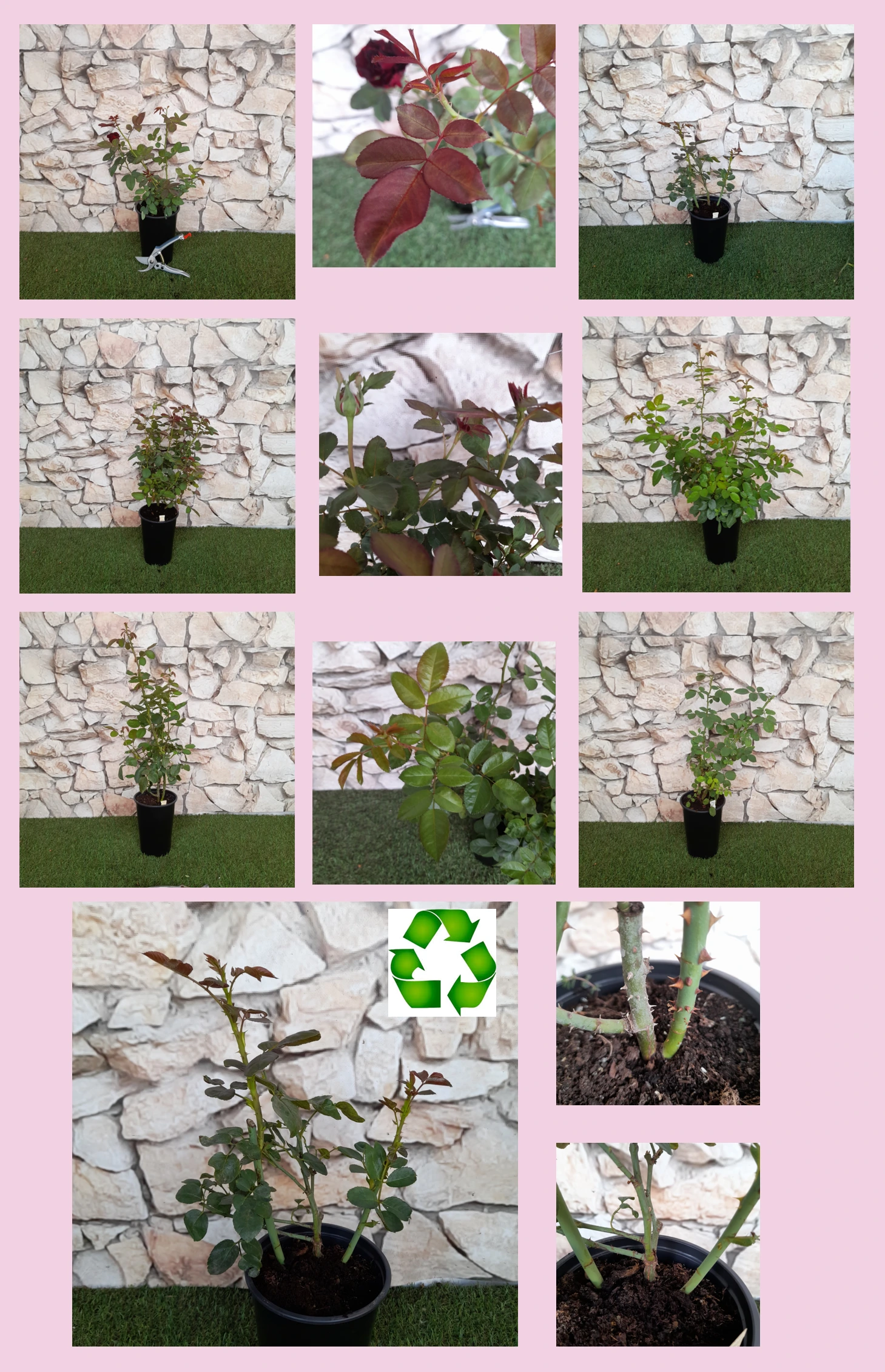
Climbing up a fence or arch, DELGROUGE brings reliably red colour to family gardens with a medium, easy-to-manage growth that suits straightforward training on pergolas, walls, trellises and house-fronts. Its dense, dark foliage forms a generous backdrop for the velvety blooms, giving you a quietly impressive feature without complicated pruning regimes. Repeat-flowering through the season, it rewards basic care with waves of showy clusters, while its own-root build supports long-term stability and recovery after harder winters or occasional neglect. Well suited to typical British conditions, it copes steadily with moist, heavy soils when you provide simple drainage so roots are not waterlogged in prolonged wet periods. In a large 40–50 litre container or open ground, it will settle in gradually, with roots establishing first, then stronger shoots, and by the third year you enjoy its full ornamental impact as an upright, manageable screen of colour that complements classic cottage and front-garden styles.
Usage options
| Target area |
Reasoning |
| House-front or front-garden feature |
Medium-height, large-flowered canes make DELGROUGE ideal beside a doorway or bay window, giving strong red colour without overwhelming a modest façade, and its structured habit keeps a tidy look for beginners |
| Garden arch or small pergola |
The repeat-flowering clusters and flexible climbing growth allow you to clothe an arch or compact pergola with colour through summer, while the own-root form builds a lasting framework that responds well to simple tie-in and light shaping for families |
| Boundary fence or trellis screen |
Densely furnished, dark green foliage and a 2–3 m height range provide a practical flowery screen on trellis or fencing, adding privacy and structure without needing complex pruning, suiting time-pressed owners |
| Wall planting in small to medium gardens |
Its controlled spread and semi-double, velvety red flowers create a classic wall-trained effect on garages or house walls, with simple annual thinning enough to maintain shape, ideal for low-fuss gardeners |
| Raised bed or improved heavy soil area |
DELGROUGE’s adaptable root system settles reliably where drainage has been improved, coping steadily with heavier British soils so long as the planting area is not left waterlogged in prolonged wet spells, reassuring less-confident starters |
| Hedging line of 2–5 plants |
Planted at the recommended spacing, several plants form an informal flowering hedge with consistent colour and structure, giving a strong visual line while remaining easy to manage with occasional tying and annual trimming for busy households |
| Large container on patio or terrace |
In a 40–50 litre pot with support, its medium vigour and repeat flowering offer a vertical accent for patios where soil is poor or space is limited, and the own-root form helps the plant recover well after winter or re-potting, reassuring new urbanites |
| Mixed cottage-style border backdrop |
Clear, velvety red flowers and dark foliage sit well behind perennials and cottage favourites, adding height and continuity of bloom over several seasons as the framework strengthens year by year, rewarding patient but relaxed enthusiasts |
Styling ideas
- Classic-arch – Train DELGROUGE evenly over a narrow arch and underplant with sweet alyssum to soften the base, ideal for romantic front paths and those who enjoy traditional structure with simple upkeep – cottage-style admirers
- Warm-border – Place it at the back of a sunny border with verbena and warm-toned perennials, using its repeat red blooms as a vertical accent – design-conscious gardeners wanting reliable colour
- Soft-screen – Create a flowery privacy screen along a terrace with 2–3 plants on trellis, combining with tall, airy perennials like hemp-agrimony – families seeking gentle separation without harsh fencing
- Courtyard-climber – Grow in a 50 litre container by a wall or garage, tying stems to a simple frame and pairing with pots of lavender for contrast – busy homeowners with hard surfaces and limited soil
- Front-focal – Train one plant beside the front door around a discreet support, keeping the base neat with low perennials for a welcoming entrance – beginners wanting instant impact with modest maintenance
Technical cultivar profile
| Parameter |
Data |
| Name and registration |
Climbing, large-flowered rose marketed as DELGROUGE – red climbing rose, climber – Delbard; registered as DELgrouge, also exhibited under the name Liliana in some collections. |
| Origin and breeding |
Bred by Georges Delbard, Pépinières et Roseraies Georges Delbard SA, France; parentage unknown; introduced and registered in 2001 with initial distribution by Delbard in European markets. |
| Growth and structural characteristics |
Medium-vigour climber reaching about 200–320 cm high and 140–230 cm wide, with dense, slightly glossy dark green foliage and moderate prickles, forming a substantial yet manageable framework. |
| Flower morphology |
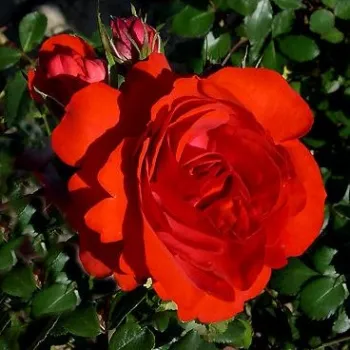
Semi-double, cup-shaped blooms with roughly 13–25 petals, produced in clusters on the canes; large-flowered character with remontant habit, giving a plentiful second flush in suitable conditions. |
| Colour data and phenology |
Velvety mid to dark red flowers, ARS mr, RHS 53A and 46A tones; colour generally holds well, only slightly fading in strong sun, with buds and opening blooms showing rich ruby and claret variations. |
| Fragrance and aroma |
Fragrance is very weak and subtle, often scarcely noticeable in the garden, so the variety is chosen primarily for its visual effect and colour strength rather than for scented display or cutting. |
| Hip characteristics |
Rose hips form only to a limited extent; small, ovoid, bright red hips about 12–16 mm in diameter may appear late season but are usually secondary to the ornamental flower display. |
| Resistance and winter hardiness |
Hardy to approximately −21 to −18 °C (RHS H7, USDA 6b, Swedish Zone 3) with moderate disease resistance; copes with heat but benefits from irrigation in extended drought periods. |
| Horticultural recommendations |
Best on arches, pergolas, walls and fences at 165–300 cm spacing; suitable for partial shade, with moderate maintenance and occasional pest and disease checks for sustained garden performance. |
DELGROUGE offers velvety red repeat flowering, a manageable climbing habit and dense foliage, while its own-root form supports long-term garden resilience and structure, making it a thoughtful choice if you want dependable colour with modest care.