DAGMAR HASTRUP – pink wild rose – Hastrup
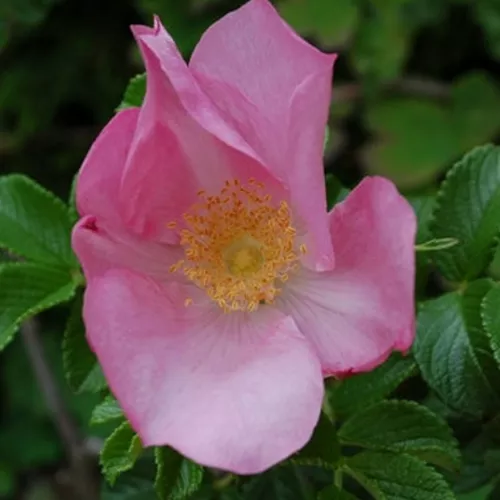
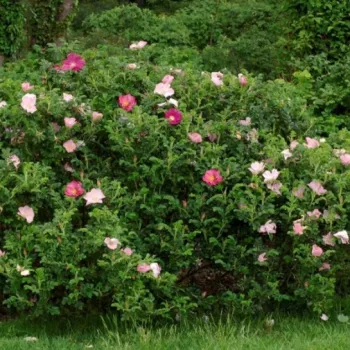
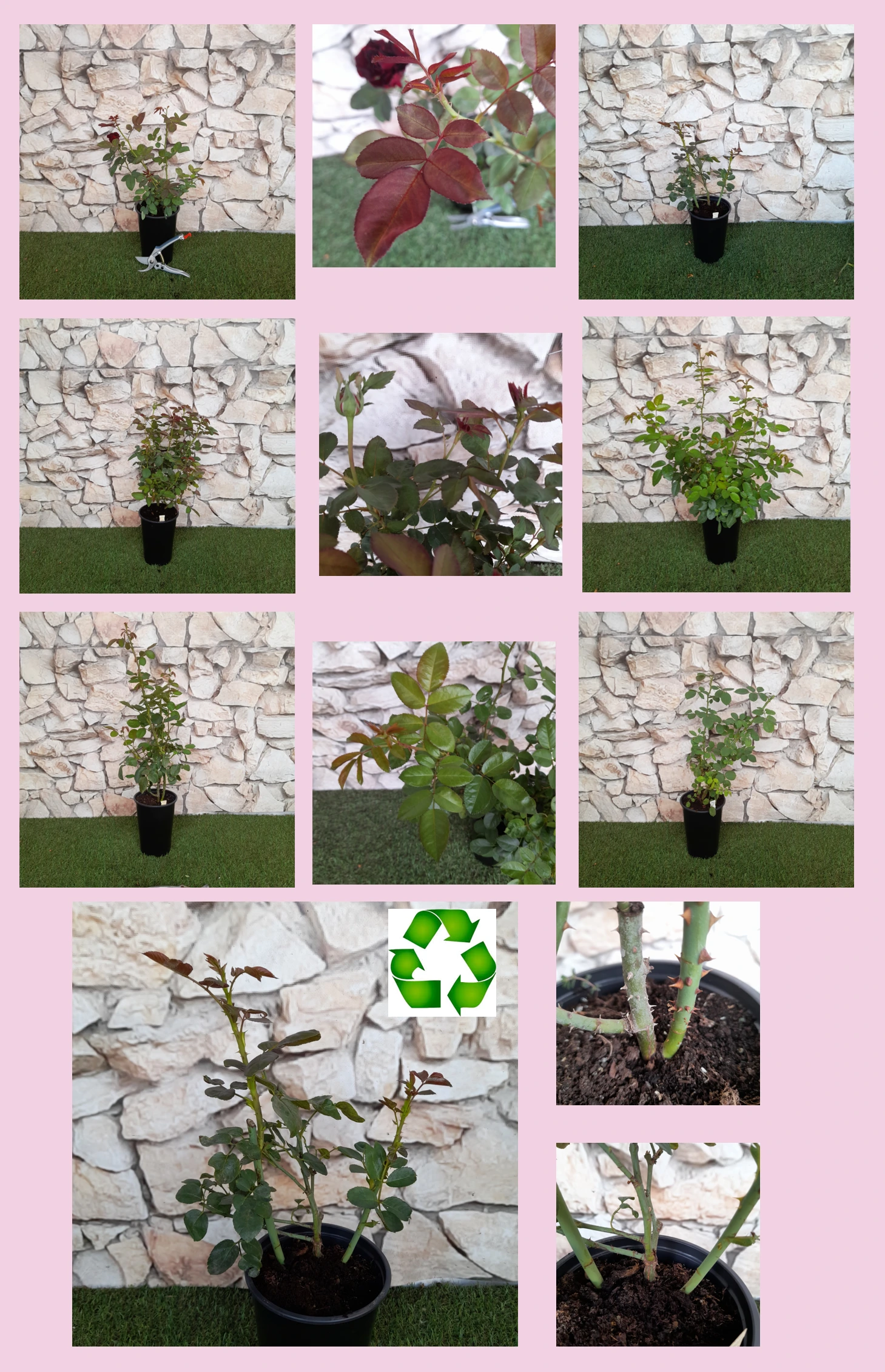
cottage front gardens gain a relaxed yet tidy look from this classic shrub rose, whose groundcover habit quickly knits soil surfaces together and suppresses weeds. Its naturally robust constitution shrugs off typical British rain and wind even in more coastal positions, while reliable, repeat flowering brings waves of soft pink, cup-shaped blooms from early summer onwards. Strongly scented, fragrant flowers with exposed stamens are highly attractive to bees, and the plant’s own-root longevity means a stable, regenerating shrub that builds character for decades. In the first year it concentrates on roots, the second on shoots, and by the third it shows its full ornamental value with dense growth and seasonal hips.
Usage options
| Target area | Reasoning |
|---|
| Low-maintenance family front garden |
DAGMAR HASTRUP suits busy households wanting a rose that more or less looks after itself: pruning is optional rather than intricate, and basic watering and feeding are usually enough for dependable flowering and dense cover, ideal for beginners. |
| Informal cottage-style border |
The spreading habit and medium height create a relaxed, billowing edge in mixed borders, pairing naturally with perennials like salvias while the pink tones blend easily into traditional cottage schemes that many homeowners favour. |
| Pollinator-friendly planting |
Single, accessible blooms with strong rugosa fragrance draw bees and other beneficial insects all summer, providing both nectar and scent while maintaining a neat, well-leaved structure appreciated by nature-conscious gardeners. |
| Groundcover and bank stabilisation |
The broad, ground-hugging form quickly covers soil, helping suppress weeds and anchor lighter slopes; once established its tough root system copes well with poorer ground and variable moisture for practical, low-effort owners. |
| Informal flowering hedge |
Planted at recommended hedge spacing, its dense foliage and thorny stems create an effective, flower-laden barrier with good privacy, seasonal hips and minimal clipping needs, attractive for time-pressed garden-proud families. |
| Coastal or exposed suburban garden |
This rugosa shrub tolerates wind, salt spray and poorer, lighter soils, remaining healthy and presentable even where other roses struggle, a dependable option for more challenging plots near the sea for coastal residents. |
| Urban and roadside planting |
Proven tolerance of pollution, heat and moderate dryness allows it to thrive beside drives or pavements; once settled it forms a resilient, tidy shrub needing only occasional attention, suiting busy urban commuters. |
| Large containers and courtyard use |
In a generous 40–50 litre container with good drainage, the compact height and arching spread give a full, flowering presence on patios or small courtyards, offering long-term structure and scent for space-conscious city-dwellers. |
Styling ideas
- Cottage-border drift – Plant a loose row along a path and underplant with hardy geraniums for a soft, romantic edge – for lovers of traditional cottage gardens.
- Front-hedge charm – Use at hedge spacing along a boundary, mixing with yew or box for winter structure – for homeowners wanting privacy with flowers.
- Coastal-mix strip – Combine with ornamental grasses and drought-tolerant perennials to create a wind-tolerant seaside look – for gardeners in breezy, exposed sites.
- Wildlife-corner sweep – Mass-plant in a sunny corner, letting hips and flowers feed and shelter wildlife – for nature-focused families and schools.
- Courtyard-focus pot – Grow one plant in a wide 50 litre container with lavender around the base – for style-conscious urban balcony and patio users.
Technical cultivar profile
| Parameter | Data |
|---|
| Name and registration |
DAGMAR HASTRUP is a classic Hybrid Rugosa shrub rose, also traded as Hastrup, classified in the park-shrub group and used widely as a robust, landscape-style wild rose. |
| Origin and breeding |
Bred by Knud Julianus Hastrup in Denmark around 1914, introduced commercially in 1934 by Poulsen Roser A/S, later distributed internationally, especially via Wayside Gardens in the USA. |
| Awards and recognition |
Holds the RHS Award of Garden Merit and American Rose Society Classic Shrub Rose awards from 1999–2000, confirming its long-term reliability and ornamental quality in varied gardens. |
| Growth and structural characteristics |
Forms a dense, spreading shrub 70–110 cm high and 100–160 cm wide with dark, slightly glossy foliage and numerous thorns, ideal for groundcover, edging and informal hedging structures. |
| Flower morphology |
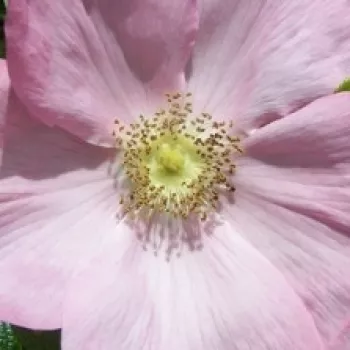
Bears medium-sized, cupped, single to semi-double flowers with 5–12 petals in small clusters, repeating well through the season to give a pronounced second flush after the main flowering. |
| Colour data and phenology |
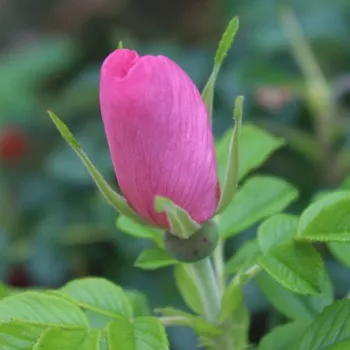
Opens in mid-pink tones (RHS 65C–65D), then lightens to a soft pastel and eventually near-white, especially in strong sun, giving a gentle, natural colour change from bud to fall. |
| Fragrance and aroma |
Possesses a strong, distinctive rugosa fragrance that is easily noticeable in warm weather, with single blooms offering both scent and accessible pollen, appreciated in family gardens and parks. |
| Hip characteristics |
Produces round, red hips about 20–30 mm across; hips are globose and decorative in autumn, though overall production may be moderated by the semi-double nature of many flowers. |
| Resistance and winter hardiness |
Very hardy to around −34 °C (RHS H7, USDA 3b) with good heat and drought tolerance; generally resistant to black spot and powdery mildew, with only moderate susceptibility to rust. |
| Horticultural recommendations |
Suited to low-maintenance groundcover, hedging and mixed borders; thrives in full sun or light shade, in average garden soil with decent drainage, and benefits from periodic renewal pruning. |
DAGMAR HASTRUP offers easy-care flowering, strong scent and reliable groundcover, and as an own-root rose it builds a durable, regenerating shrub over years, making it a considered choice for long-term garden structure.