CYELENE – orange-yellow hybrid tea rose – Nursery
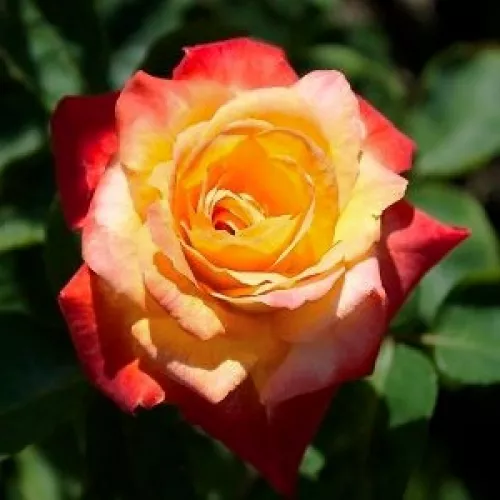
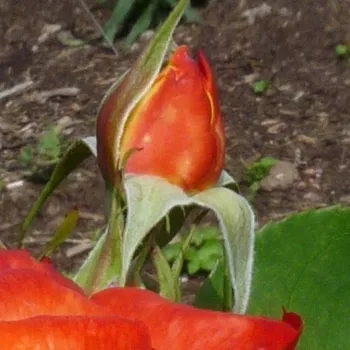
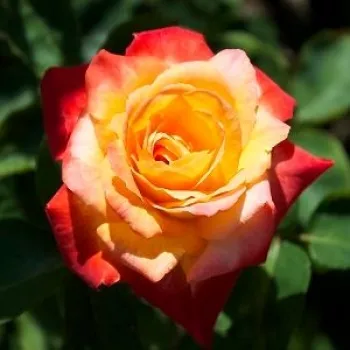
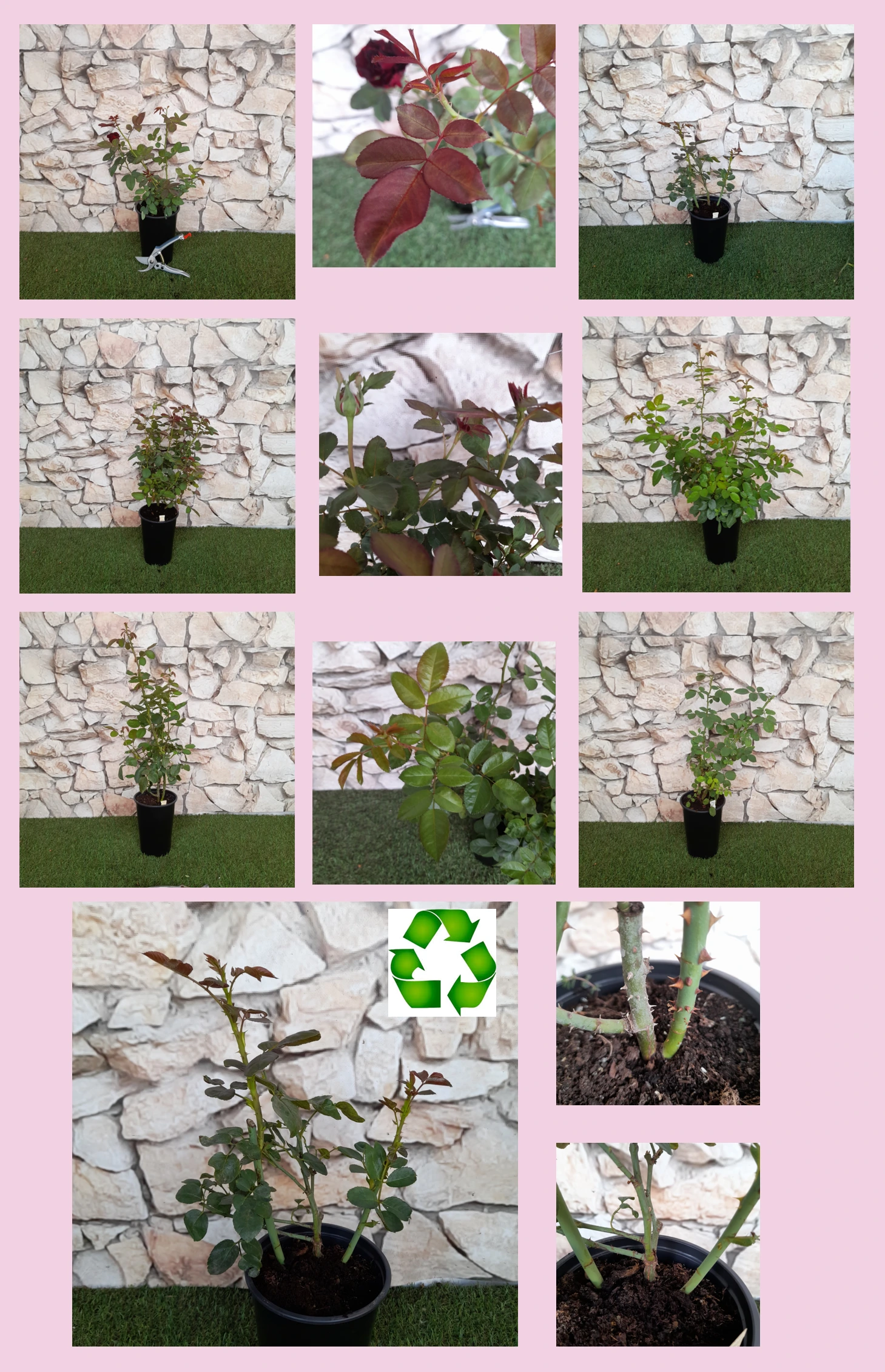
This Japanese-bred hybrid tea is ideal when you want reliable colour in a small family garden without complicated rose care. CYELENE forms a neat, bushy shrub with dense, healthy foliage and glowing orange‑yellow blooms that repeat steadily through the season, giving a composed, orderly look to front beds and paths. Its medium maintenance needs are easy to manage in typical British conditions, and its resistance to powdery mildew and black spot supports a calmer, relaxed approach to plant protection. On its own roots it settles securely, building a long‑lived framework that copes well with everyday weather, even where you need extra anchoring against wind in exposed or coastal gardens. Over time it develops into a dependable, enduring feature that keeps its place within mixed cottage‑style plantings, letting you enjoy season‑long flowers with a practical, balanced level of care.
Usage options
| Target area |
Reasoning |
| Front garden focal point by the path |
CYELENE’s upright, bushy habit and medium height create a clear focal point beside a front path or gate. Its bicolour blooms stand out against dark foliage, giving structure without dominating the space, reassuring those who favour tidy, well-defined entrances, especially beginners |
| Small mixed border with perennials |
The moderate plant size and bushy outline let this rose weave neatly into cottage-style combinations with perennials such as dwarf lavender or thread-leaved coreopsis. It brings repeat waves of colour without crowding neighbours, suiting gardeners who want harmony rather than constant intervention, ideal for busy-owners |
| Informal low hedge or edging row |
Recommended spacings of 40–50 cm allow CYELENE to form a softly defined hedge that frames lawns, drives or front boundaries. The consistent height and branching pattern give an orderly look, yet still read as natural and friendly, helping time-pressed owners keep boundaries smart with minimal pruning, supporting urban-gardeners |
| Feature group of 3–5 plants in a small bed |
Planting a small group tightens the colour impact and makes deadheading and feeding more efficient in compact gardens. The own-root form gradually builds a stable, long-lived stand that copes well with normal family use, while the shrub height keeps views open, appealing to space-conscious gardeners |
| Around-the-house ornamental planting |
CYELENE works well near entrances, patios or seating areas where you see it often but do not want intensive care. Moderate disease resistance and medium maintenance needs fit typical UK routines of occasional feeding and light pruning, reassuring those who prefer straightforward jobs, especially homeowners |
| Roses for exposed or breezy sites |
The bushy, moderately thorny framework and dense foliage help the plant stay steady and shapely where winds can buffet more fragile roses, providing reliable form and flower show with simple staking only if needed. This calmer performance in blustery locations is helpful for coastal-gardeners |
| Companion planting with low shrubs and groundcovers |
CYELENE’s height of roughly 85–115 cm rises neatly above low honeysuckle or evergreen groundcovers, while its dark leaves give a solid backdrop to lighter foliage. This layered effect makes small gardens feel designed rather than cluttered, even with modest effort, supporting aesthetically minded novices |
| Large container on terrace or driveway (40–50 L minimum) |
In a generous container of at least 40–50 litres with good drainage, the compact bushy habit and repeat-flowering character deliver a strong vertical accent by doors or seating. Regular watering and seasonal feeding are usually enough to maintain performance, which suits convenience-focused balcony-owners |
Styling ideas
- Pathway – line a short front path with two or three CYELENE plants, underplant with low-growing Lavender angustifolia for scent and contrast – ideal for time-poor, style-conscious homeowners
- Cottage – mix CYELENE with thread-leaved coreopsis and airy grasses in a small border to echo classic cottage gardens with minimal pruning – suited to beginners wanting informal charm
- Gateway – plant a pair in large 40–50 litre pots flanking a drive or front door, using dark containers to emphasise the vivid blooms – perfect for urban gardens needing instant structure
- Framework – use a loose row along the front of a mixed bed to create an informal low hedge, backing it with taller shrubs for depth – good for families wanting tidy but relaxed boundaries
- Accent – position a trio in a small island bed in the lawn, surrounding them with evergreen groundcovers for year-round shape – ideal for owners seeking a simple, eye-catching focal point
Technical cultivar profile
| Parameter |
Data |
| Name and registration |
CYELENE is a hybrid tea rose traded as CYELENE – orange-yellow hybrid tea rose – Nursery; it belongs to the Hybrid Tea group, with no widely used separate registered exhibition name. |
| Origin and breeding |
Bred by Keisei Rose Nurseries in Japan, with breeding work dated to 2007; introduced by Keisei Rose Nurseries, though exact international introduction and registration years are not documented. |
| Growth and structural characteristics |
Forms a bushy shrub about 85–115 cm tall and 60–80 cm wide, with moderately thorny stems and dense, slightly glossy dark green foliage providing good garden presence in modest spaces. |
| Flower morphology |
Blooms are medium-sized, semi-double with around 13–25 petals, high-centred and pointed in classic hybrid tea style, borne mainly solitary on stems and repeating well with an abundant second flush. |
| Colour data and phenology |
Flowers show butter-yellow centres shading to vivid orange and scarlet red edges, later softening to pink-coral pastels; ARS colour code OB, RHS 24A outer and 24B inner, with moderate colour retention. |
| Fragrance and aroma |
Fragrance is very weak and barely detectable, with a light, elegant rose character only noticeable at close range, so the variety is chosen mainly for visual impact rather than scent in planting plans. |
| Hip characteristics |
Produces ellipsoid hips in moderate numbers, around 8–12 mm in diameter, coloured orange-red; hips add a discreet seasonal interest later in the year without dominating the plant’s appearance. |
| Resistance and winter hardiness |
Shows moderate overall disease resistance, with good tolerance to powdery mildew and black spot but moderate rust susceptibility, and hardy to approximately −21 to −18 °C (RHS H7, USDA Zone 6b). |
| Horticultural recommendations |
Suited to medium-maintenance garden use; occasional fungicide may be useful in high-rust areas, with spacing of 40–75 cm depending on role, at around 4–5 plants per m² for mass planting effects. |
CYELENE offers compact bushy growth, reliable repeat flowering and practical own-root durability, making it a thoughtful choice for those seeking steady colour with manageable care.