CRÉPUSCULE – apricot historic Noisette rose - Dubreuil
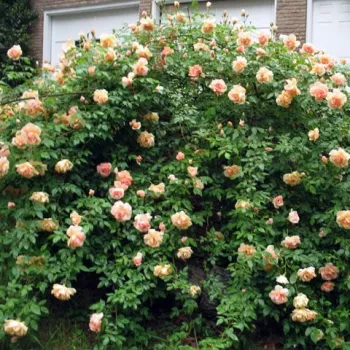
Soft apricot blooms, a romantic fragrance and graceful climbing growth make ‘Crépuscule’ a characterful choice for arches, pergolas and warm house walls in the classic cottage style. This historic Noisette roses reliably repeat-flowers, clothing its framework with clusters of sunset-toned blooms while its foliage shows good health even in more humid gardens, where breezes and showers can be frequent near the coast. Its strong yet flexible canes are ideal for gentle training, and the semi-double flowers fall cleanly, helping your display stay naturally tidy with little deadheading. On its own roots it builds up steadily into a long-lived, well-anchored climber that copes well with British seasons and recovers robustly after pruning, giving dependable structure and colour for many years. In sunny or lightly shaded positions it brings a soft, welcoming glow to family gardens, combining period charm with modern ease of care and notably low maintenance needs. With heat- and drought-tolerant growth once established, it is well suited to busy gardeners who want relaxed elegance without complex horticulture, maturing from root-building to full, twilight-hued effect over its first three seasons.
Usage options
| Target area |
Reasoning |
| Front-garden arch over a path or gate |
The climbing habit and flexible canes make it ideal for training over an arch, creating a welcoming tunnel of warm peach flowers with a strong, sweet, tea-fruity scent that greets you on arrival – perfect for the cottage-curious beginner. |
| House wall or sunny courtyard trellis |
Very good heat and drought tolerance means it performs well against warm walls, while remontant flowering provides repeated flushes that soften brick or render with a sunset-toned curtain of bloom – well suited to time-pressed homeowners. |
| Pergola or seating-area arbour |
The semi-double, self-cleaning flowers reduce deadheading, so petals drop away neatly while fragrance drifts around seating areas, offering a romantic overhead canopy with minimal upkeep – ideal for relaxation-focused gardeners. |
| Small rose border in a family garden |
Low overall maintenance and good disease resistance keep foliage attractive with few treatments, giving reliable colour and structure over many years in ordinary garden soil, including breezier, rain-prone spots – reassuring for cautious starters. |
| Cottage-style mix with perennials |
Its warm peach tones blend beautifully with blues, mauves and soft yellows, while moderate prickliness and healthy foliage provide a stable backdrop for perennials without overwhelming them – attractive to aesthetics-led owners. |
| Lightly shaded side passage or north-east aspect |
Tolerance of partial shade allows flowering where many roses struggle, so it can brighten side paths or less-sunny walls with clusters of softly glowing blooms and fragrance – a good option for space-limited urban gardens. |
| Large container near a door or terrace (40–60 litres) |
In a generous pot with regular watering, its own-root vigour and remontant flowering provide a long-lived, movable feature that can frame entrances or patios with scent and colour – appealing for balcony and courtyard residents. |
| Loose flowering screen or informal boundary |
With tall, spreading growth and good winter hardiness, it can be trained along wires or a fence to form a softly billowing, semi-transparent screen that flowers repeatedly and offers durable structure – useful for privacy-seeking families. |
Styling ideas
- Twilight Arch – Train over a metal or wooden arch with Gypsophila ‘Festival Pink Lady’ at the base for a frothy underplanting – suited to romantic cottage-garden enthusiasts.
- Warm Wall – Fan-train on a south- or west-facing wall, underplanted with compact evergreen St John’s wort for year-round structure – ideal for neat, low-maintenance front gardens.
- Pergola Retreat – Cover a simple pergola and add Echinacea ‘Delicious Nougat’ along the sides for late-summer echoing tones – perfect for creating a relaxed family seating corner.
- Soft Screen – Run along tensioned wires on a boundary to form an airy, flowering screen mixed with wispy ornamental grasses – good for small plots needing gentle privacy.
- Container Glow – Plant in a 50-litre half-barrel with trailing herbs and pale violas to highlight the peach blooms beside a door – attractive for busy urban gardeners wanting instant charm.
Technical cultivar profile
| Parameter |
Data |
| Name and registration |
Historic Noisette and Tea Noisette climbing rose; current trade name CRÉPUSCULE – apricot historic Noisette rose - Dubreuil; unregistered cultivar widely known under its traditional French name. |
| Origin and breeding |
Bred by Francis Dubreuil in Lyon, France and introduced in 1904 by the Francis Dubreuil Nursery; a classic old garden rose with unknown parentage preserved in historic collections. |
| Growth and structural characteristics |
Vigorous climbing growth, 250–450 cm high and 200–320 cm spread; moderately thorny canes with moderately dense, slightly glossy dark green foliage; well suited to training on supports. |
| Flower morphology |
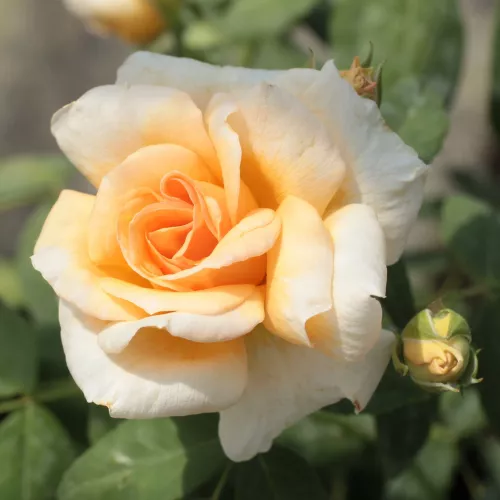
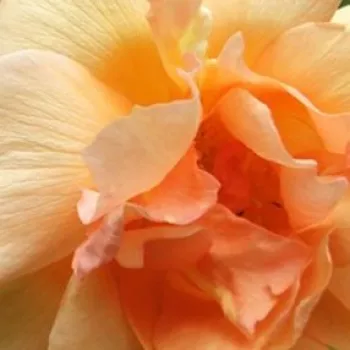
Semi-double, cup-shaped blooms with 13–25 petals, medium sized at roughly 1.5–2.75 inches across; borne in clusters on the stems and flowering in a remontant pattern with an abundant second flush. |
| Colour data and phenology |
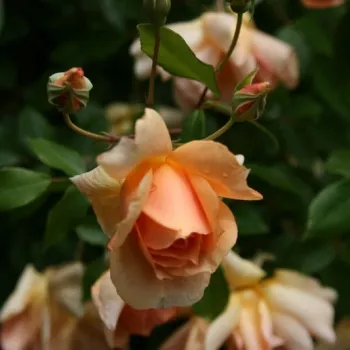
Warm peach flowers with golden undertones; buds show deeper peachy-copper tones, lightening in heat and sun but developing richer hues in cooler weather, evoking the colours of a soft evening sunset. |
| Fragrance and aroma |
Strong, sweet fragrance with tea and fruity notes typical of historic Noisette roses; scented clusters provide a noticeable perfume around paths, seating areas and entrances in still or lightly breezy conditions. |
| Hip characteristics |
Hip production is usually sparse; where formed, hips are small, spherical and orange-red, about 12–18 mm in diameter, offering minor autumn interest rather than being a major feature of the cultivar. |
| Resistance and winter hardiness |
Good general disease resistance with noted resistance to powdery mildew, black spot and rust; winter hardy approximately to −21 to −18 °C (RHS H7, USDA 6b, Swedish zone 3) when reasonably sited and established. |
| Horticultural recommendations |
Best in fertile, well-drained soil with sun or partial shade; allow space for climbing framework, water regularly in dry spells, and prune after establishment to manage height and encourage repeat-blooming lateral growth. |
CRÉPUSCULE – apricot historic Noisette rose - Dubreuil offers repeat flowering, strong fragrance and low-maintenance vigour on its own roots for lasting structure and charm, making it a thoughtful choice for relaxed, characterful family gardens.