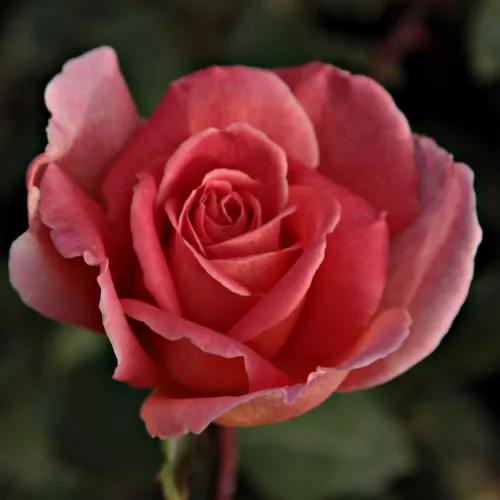
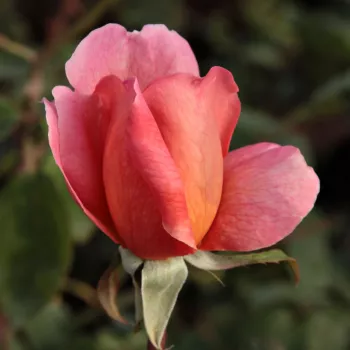
Courtoisie – orange bedding floribunda rose – Delbard
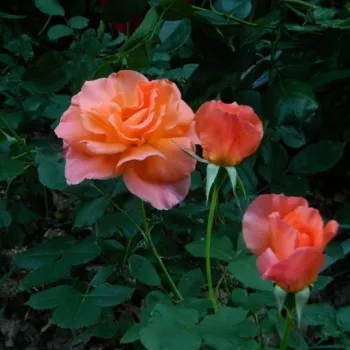
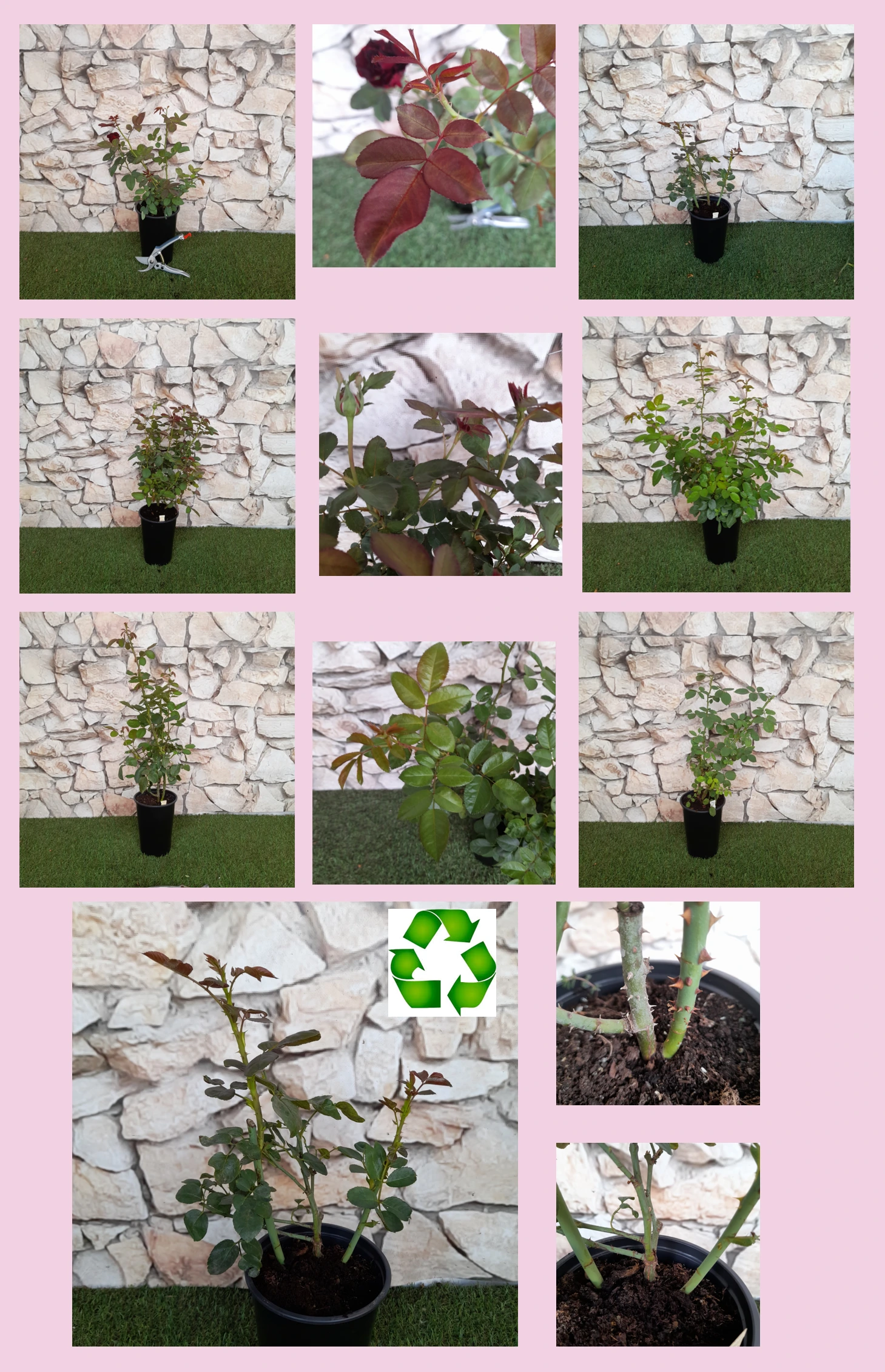
Effortless planting, reliable flowering and a naturally bushy habit make Courtoisie an inviting choice for front gardens and cottage-style beds where you want colour without fuss. Its warm orange to peach-pink blooms appear in generous clusters, repeating well through the season and creating a consistently tidy, uplifting display. As an own-root plant, it establishes securely and matures into a balanced shrub that responds well to flexible pruning and recovers readily after harsher winters. Over time, its moderate hips offer subtle interest for local wildlife, while its fresh, fruity fragrance adds charm near paths, seating or doorways. Well suited to typical British gardens, it copes reliably in changeable weather and breezier sites when the soil is prepared with decent drainage. You can expect it to build roots in the first year, push stronger top growth in the second, and show its full ornamental value by the third season.
Usage options
| Target area |
Reasoning |
| Front garden focal shrub |
Courtisie’s upright, bushy habit and 80–120 cm height make it ideal as a single statement plant by the front path or near a doorway, offering warm colour and a medium, fruity scent without dominating a small plot, appealing to the aesthetics‑focused beginner. |
| Small bedding groups (1–5 plants) |
The floribunda cluster flowering and reliable repeat flushes give strong colour impact from a small number of plants, creating a neat, easy-care bed where regular deadheading and simple annual pruning are enough for a long flowering season for the busy urban gardener. |
| Cottage-style mixed border |
The shifting tones from fiery orange-red to peach and cream blend well with perennials and climbers, while the semi-double flowers add lightness rather than heaviness, letting you weave it into classic cottage schemes with minimal structural planning for the style‑conscious homeowner. |
| Low informal hedge |
With planting at about 50–60 cm centres, its moderately dense foliage and repeated clusters create a low, informal boundary that marks paths or drive edges; simple annual trimming keeps it tidy without complex shaping, suiting the maintenance‑averse gardener. |
| Family seating and play areas |
The medium height and bushy structure give colour at eye level while leaving good visibility across the garden; placing it just off main routes reduces contact with thorns, yet you still enjoy its noticeable fragrance around patios for the family‑garden owner. |
| Wildlife‑supportive planting |
Semi-double blooms offer moderate nectar access for insects, and later in the season the small orange-red hips provide additional seasonal interest and modest benefit for birds, adding gentle ecological value without changing your garden routine for the nature‑aware gardener. |
| Weather‑exposed suburban plots |
Once established on reasonably prepared soil, Courtoisie forms a well-anchored, own-root shrub that copes reliably with typical British wind and rain in open front gardens, especially where the bed is raised a little to improve drainage for the coastal‑belt resident. |
| Flexible-pruning rose area |
As an own-root floribunda, it responds well whether lightly shaped each year for height or cut harder for renewal, regrowing from its own base rather than a graft, which supports long-term form and simplifies care for the long‑term planner. |
Styling ideas
- Doorstep welcome – Plant one Courtoisie by a front door with lavender or small evergreen box balls for year-round structure and seasonal colour – ideal for homeowners wanting smart impact from minimal planting.
- Warm cottage ribbon – Run a loose line of Courtoisie along a path with foxgloves and hardy geraniums threading through the gaps – perfect for those who enjoy an informal, romantic cottage look.
- Sunset trio – Group three plants in a small bed, underplant with low silver foliage such as artemisia to highlight the colour changes – suited to gardeners who like strong but harmonious colour themes.
- Family corner – Place Courtoisie near a seating area with honeysuckle or clematis on a nearby trellis to add scent layers – good for families wanting a cosy, relaxing outdoor room.
- Season‑round interest – Mix Courtoisie with ivy on a fence and late-flowering clematis to keep structure and interest after the main rose flush – attractive to planners aiming for a garden that never looks bare.
Technical cultivar profile
| Attribute |
Data |
| Name and registration |
Floribunda bed rose registered as DELcourt, marketed as Courtoisie Bedding rose DELcourt; exhibition floribunda and cut flower type with ARS exhibition name Courtoisie. |
| Origin and breeding |
Bred by Georges Alphonse Delbard in France (1984) from ‘Avalanche’ × ‘Fashion’ seedling; introduced by Pépinières et Roseraies Georges Delbard for bedding and border use. |
| Awards and recognition |
Winner of Lyon Grande Rose du Siècle in 1983 and Gold Medal at Bagatelle (Paris) in 1984, confirming strong ornamental value and proven garden performance. |
| Growth and structural characteristics |
Bushy shrub, around 80–120 cm tall and 50–75 cm wide, moderately thorny, with mid-green, slightly glossy foliage of moderate density, suitable for borders, hedging and specimen roles. |
| Flower morphology |
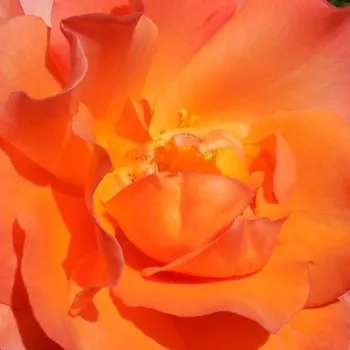
Semi-double, cup-shaped blooms with 13–25 petals, large flower size and cluster-flowered habit; remontant with a particularly abundant second flush under normal garden conditions. |
| Colour data and phenology |
Bright warm orange base with pink and yellow undertones; buds deep orange-red, shifting through fiery orange to soft peach and cream-edged tones as flowers mature and fade. |
| Fragrance and aroma |
Fresh, fruity fragrance of medium strength, clearly noticeable at close range and effective near paths, doors or seating where passing garden users can appreciate the scent. |
| Hip characteristics |
Produces moderately abundant, spherical orange-red hips 8–12 mm across, adding subtle seasonal interest in late season and modest wildlife value without creating heavy seeding. |
| Resistance and winter hardiness |
Hardy to about –21 to –18 °C (RHS H7, USDA 6b, Sweden zone 3); moderate disease resistance, generally coping well with black spot, mildew and rust under standard care. |
| Horticultural recommendations |
Prefers sunny positions with reasonably drained soil; regular watering in drought and occasional pest or disease checks advised; plant 50–100 cm apart depending on hedge, mass, or specimen use. |
Courtoisie Bedding rose DELcourt offers dependable cluster flowering, versatile bushy growth and good long-term form as an own-root plant, making it a thoughtful choice if you seek lasting colour with manageable care.