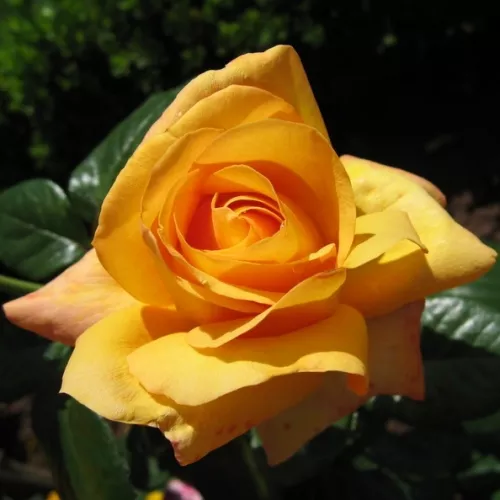
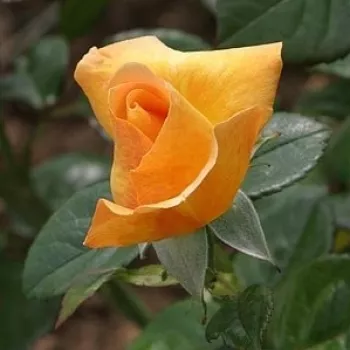
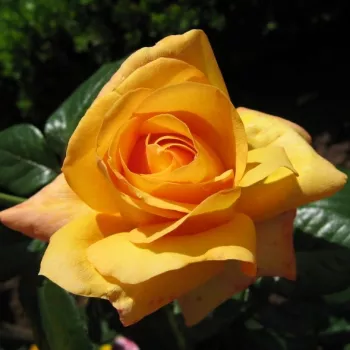
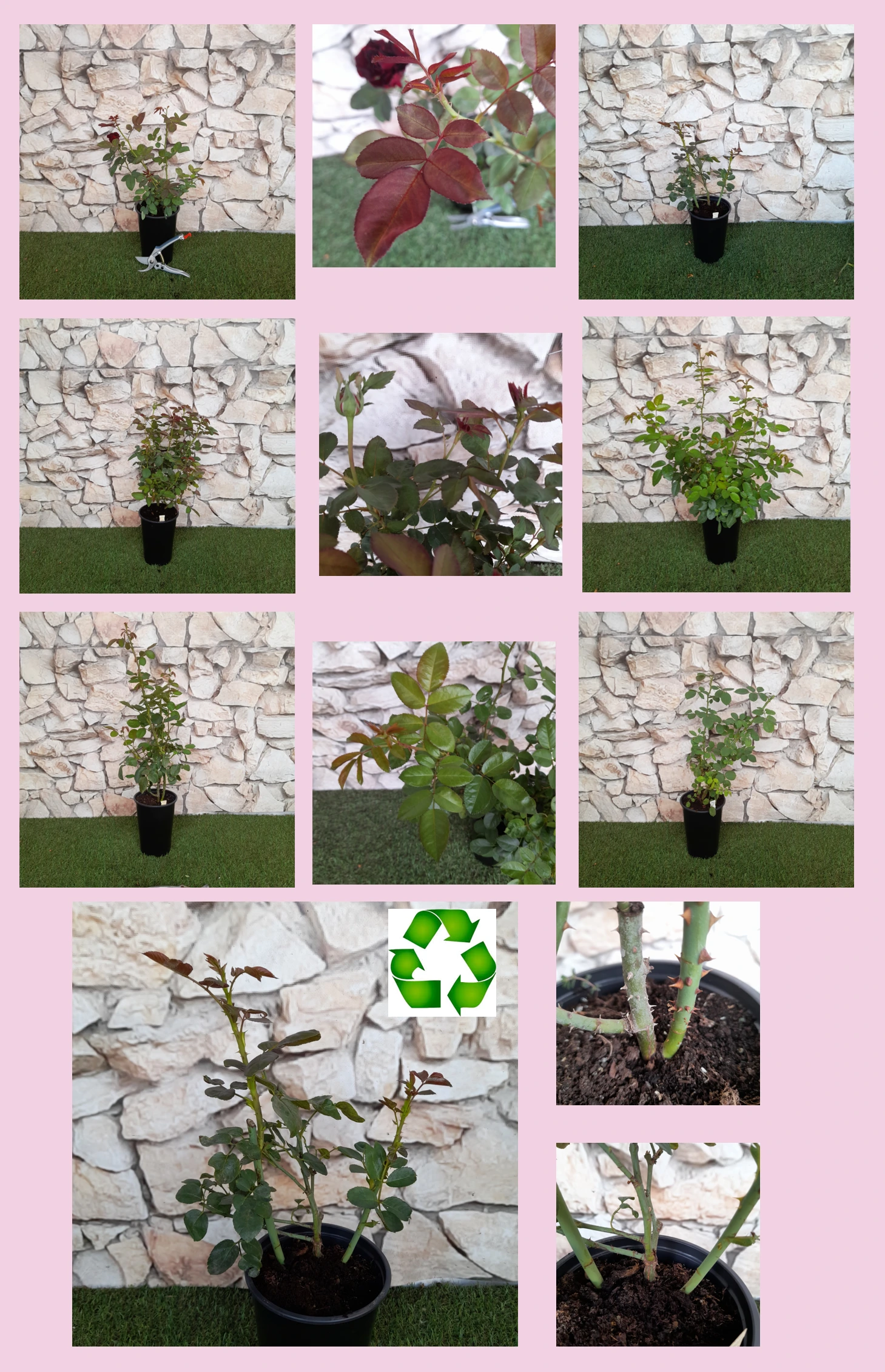
Coronation Gold – apricot-yellow bedding floribunda rose – Cocker
Easy-care and naturally reliable, Coronation Gold brings warm apricot‑yellow colour and classic floribunda flowering to small British gardens without demanding work. Its compact, upright habit is ideal for neat front‑garden beds and low borders that stay orderly in wind and rain, even where exposure can be an issue on more open plots. Bred in Scotland, this bushy shrub copes well with typical UK conditions, offering strong disease resistance and a long garden lifespan when given ordinary care. As an own‑root plant, it establishes steadily, regenerates well after pruning or setbacks, and builds a balanced shape over time, following a gentle year‑by‑year development from strengthening roots to fuller blossom and finally a mature, dependable display.
Usage options
| Target area |
Reasoning |
| Front-garden bedding rows |
Compact, bushy growth and medium height create a tidy, uniform line that suits narrow front gardens and paths. Regular clusters of golden apricot blooms keep the frontage looking cared-for with minimal attention, even for a beginner. |
| Small mixed cottage-style borders |
Reliable repeat flowering and warm apricot-yellow tones weave easily into cottage mixes with perennials and bulbs, giving continuity of flower between seasonal highlights. This steady performance supports busy householders seeking relaxed charm for the family. |
| Low hedging and edging |
Close planting at hedge spacing forms a low, bushy ribbon that visually separates lawn from borders without becoming overpowering. Its manageable height and upright habit make trimming and light pruning straightforward for the occasional gardener. |
| Colour-focused bedding schemes |
The rich golden-yellow to peach flowers open in clusters, providing strong colour from a modest footprint. This makes it ideal for small beds where you want concentrated visual impact without complex plant combinations or intensive care for the owner. |
| Family gardens with limited maintenance time |
Good resistance to common rose diseases and modest water needs under normal UK weather keep routine care simple. It fits well into average family plots where gardening time must share space with work, children and other commitments for a busy household. |
| Long-term planting in small borders |
As an own-root floribunda, the shrub gradually builds a stable framework, regrowing well from the base and avoiding issues linked to grafted unions. This underpins a long-lived planting that matures gracefully alongside a settled home and its residents. |
| Exposed or coastal-leaning situations |
The bushy, moderately dense foliage and upright habit help it hold its shape in breezier sites, supporting a neat appearance where gardens meet open aspects or regular winds, offering dependable structure for front-garden-proud neighbours. |
| Small cut-flower picking corner |
Medium-sized, double, cluster-borne blooms in warm tones are easy to cut for informal indoor arrangements without stripping the plant. Repeat flowering means new buds follow quickly, pleasing home decorators who enjoy simple vases and seasonal bouquets. |
Styling ideas
- Cottage-ribbon – Plant a sinuous row along a front path, interplanted with Geranium macrorrhizum and spring bulbs for scent and soft edges – ideal for romantic cottage-garden enthusiasts.
- Golden-focus – Use 3–5 plants in a small square bed as a golden centrepiece, framed by low lavender for contrast – suited to homeowners wanting an easy focal point.
- Apricot-mix – Combine with Papaver orientale and soft grasses in a mixed border to echo warm peach tones and gentle movement – attractive to design-conscious beginners.
- Family-frame – Create a low border around a seating area, pairing with Campanula persicifolia to provide relaxed colour while remaining child- and pet-friendly in height – perfect for young families.
- Patio-accent – Grow 1–3 plants in large 40–50 litre containers near the front door, underplanted with trailing perennials for a neat, welcoming entrance – best for busy urban gardeners.
Technical cultivar profile
| Parameter |
Data |
| Name and registration |
Coronation Gold – floribunda bedding rose, shrub type. Exhibition name Coronation Gold. Commercial type bed rose, linked to the golden jubilee of the British Queen’s coronation. |
| Origin and breeding |
Bred by Anne Gowens Cocker, James Cocker & Sons Ltd, Aberdeen, Scotland. Introduced 1981, with breeding work completed in 1978, combining floribunda and robust garden performance. |
| Growth and structural characteristics |
Bushy, upright shrub, approximately 70–95 cm tall and 35–55 cm wide, with moderately dense, dark green glossy foliage and moderate prickliness suited to beds and low borders. |
| Flower morphology |
Medium-sized, double cup-shaped blooms with around 26–39 petals. Flowers produced in clusters with a remontant habit, giving plentiful second flushes throughout the season. |
| Colour data and phenology |
Warm golden-yellow to apricot-peach tones, RHS 16B, 20B. Colour gradually softens to cream-peach while inner petals retain golden hues, giving depth and variation as blooms mature. |
| Fragrance and aroma |
Light, subtle fragrance with a gentle fruity character. Not overpowering near seating or windows, but close inspection reveals a pleasant, classic rose scent suitable for family spaces. |
| Hip characteristics |
Produces moderate numbers of small ellipsoidal hips, around 8–12 mm in diameter, colouring to orange-red in autumn, adding a modest additional ornamental feature after flowering ends. |
| Resistance and winter hardiness |
Good overall disease resistance, with noted resistance to powdery mildew, black spot and rust. Hardy approximately to −21 to −18 °C, suitable for most temperate UK garden conditions. |
| Horticultural recommendations |
Best in sunny beds and borders with reasonable drainage. Low maintenance needs; water regularly in prolonged drought. Recommended spacings 25–45 cm depending on use and planting density. |
Coronation Gold offers compact, floriferous colour, reliable disease resistance and long-lived own-root strength for small family gardens, making it a thoughtful choice where you prefer planting once and enjoying for years.