CORNELIA – peach-pink park rose – Pemberton
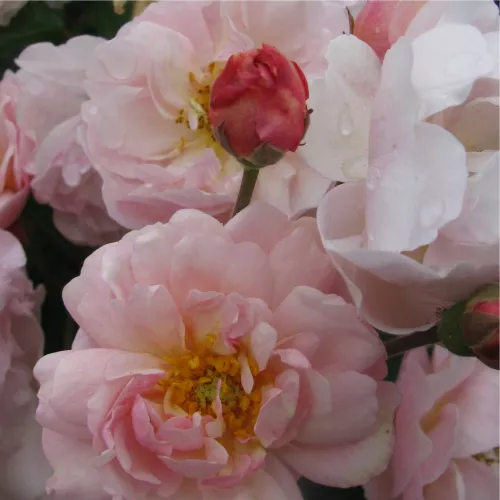
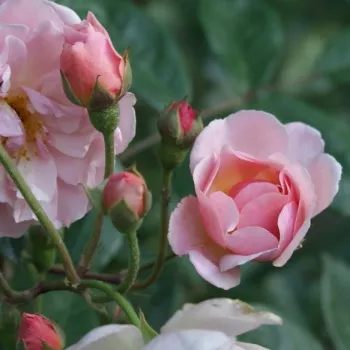
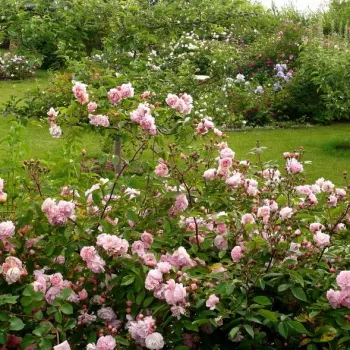
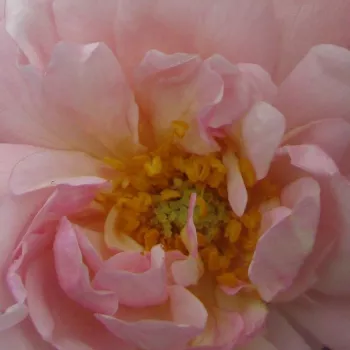
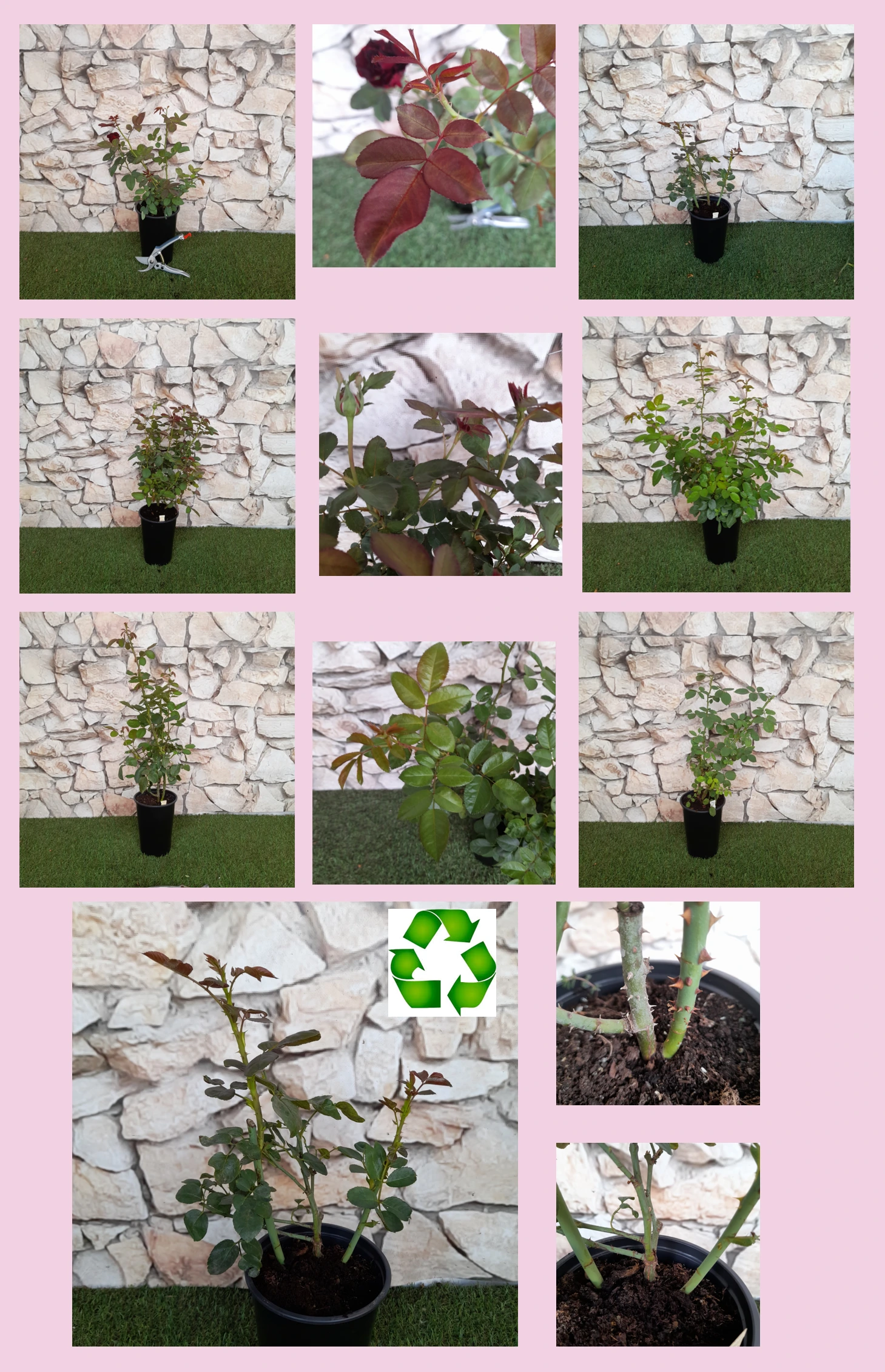
Historic yet easy to live with, CORNELIA brings a softly romantic presence to smaller British gardens, combining generous clusters of peach‑pink rosettes with a strong, sweetly musky fragrance that drifts across the garden on still evenings. Its upright, slightly arching habit and dark, glossy foliage form a rounded, bushy shrub that suits classic front gardens and informal cottage borders equally well, while moderate size keeps it in scale around the house and near paths. As an own‑root rose it builds up steadily into a stable, long‑lived shrub, coping well with typical garden conditions and even performing reliably in breezier sites where the weather can be challenging with salt‑laden coastal winds and frequent rain. Plant once in good soil, keep it watered in dry spells, and enjoy the reassuring rhythm of roots in the first year, strong new shoots in the second, and full ornamental value from the third. Medium disease resistance and only moderate self‑cleaning mean a light annual prune and occasional deadheading are all that is needed to maintain its shape and flowering display. Clusters of medium‑sized, very full rosettes open from coral‑peach buds, soften to pastel peach‑pink with creamy centres, then fade to silvery pink, giving continuous colour nuances over the season. With moderate maintenance needs, sparse thorns that are kinder to hands, and the reassurance of an RHS Award of Garden Merit, CORNELIA is a particularly rewarding choice for busy gardeners, beginners and families who want reliable fragrance and vintage charm without complicated care.
Usage options
| Target area |
Reasoning |
| Front garden focal shrub |
CORNELIA’s upright, bushy shape and 120–180 cm height create a readable, well‑proportioned focal point by the front door or gate, offering height without overpowering a small plot and giving long‑season colour at eye level; ideal for design‑conscious beginners and style‑focused homeowners. |
| Cottage-style mixed border |
The warm peach‑pink clusters blend naturally with cottage staples such as foxgloves, honesty and feverfew, while its historic hybrid musk character adds an air of authenticity to relaxed borders; well suited to gardeners seeking traditional charm with manageable care needs. |
| Lightly formal house-side planting |
Dense, glossy dark foliage and a rounded outline read as tidy from windows and paths, yet the softly arching growth keeps the look relaxed, making it easy to integrate along drives or house walls without strict clipping; reassuring for those wanting structure with minimal pruning knowledge. |
| Informal flowering hedge |
Planted at about 90 cm centres, CORNELIA knits into a flowering screen of pastel rosettes and rich scent, offering visual separation without feeling heavy or rigid, and remaining friendly to narrow family gardens; a thoughtful option for privacy‑seeking families and pet owners. |
| Specimen in lawn or gravel |
As a solitary specimen at roughly 165 cm spacing, its balanced height and spread allow it to stand alone without support, giving a long‑lived, own‑root feature that slowly strengthens rather than outgrowing its place, suiting homeowners wanting a dependable “plant and enjoy” centrepiece. |
| Pergola or low wall training |
The slightly arching stems can be fanned along a low wall or lightly tied on a small pergola, creating curtains of fragrant clusters without the rigidity of a true climber and coping steadily with salt‑laden breezes and frequent coastal showers, appealing to seaside gardeners who value romance over formality. |
| Part-shade side garden |
Its tolerance of partial shade allows planting in side gardens or spots with only part‑day sun, where the pastel blooms and strong fragrance still perform reliably and the own‑root habit ensures steady thickening over time, giving confidence to owners of overlooked or awkward aspects. |
| Large decorative container |
In a substantial container of at least 40–50 litres with good drainage, CORNELIA forms a scented, pastel shrub for patios or roof terraces, its moderate size and sparse thorns making upkeep comfortable while the own‑root system underpins long‑term reliability, well matched to busy urban gardeners. |
Styling ideas
- Cottage-porch – Flank a cottage-style front porch with two shrubs underplanted with foxgloves and honesty for layered height and nostalgic colour – ideal for lovers of classic village-garden character.
- Pastel-border – Combine CORNELIA with soft blues and whites in a mixed border to emphasise its peach‑pink rosettes and gentle form – for homeowners seeking calm, coordinated colour schemes.
- Fragrant-path – Line a main garden path with a short run of shrubs, allowing the strong musky-tea fragrance to greet you on everyday walks – perfect for families who enjoy sensory, evening strolls.
- Soft-screen – Use as an informal hedge with gaps for views, picking up the foliage tone with nearby evergreens to keep the line attractive even between flushes – suited to those wanting privacy without hard barriers.
- Courtyard-focus – Place a single plant in a large terracotta container as a central feature, with low herbs at the base to contrast the upright, arching habit – appealing to urban gardeners with limited, paved spaces.
Technical cultivar profile
| Parameter |
Data |
| Name and registration |
CORNELIA is a shrub, hybrid musk park rose marketed as CORNELIA – peach-pink park rose – Pemberton, known in exhibitions as Cornelia; it is an unregistered cultivar in formal registration terms. |
| Origin and breeding |
Bred by Revd. Joseph Hardwick Pemberton at The Pemberton Nursery, Romford, Essex, United Kingdom, introduced in 1925 and still valued as a classic hybrid musk shrub in British gardens. |
| Awards and recognition |
Holds the Royal Horticultural Society Award of Garden Merit (1993), indicating reliable performance, good ornamental value and garden worthiness under typical UK conditions when grown with reasonable care. |
| Growth and structural characteristics |
Forms a bushy, upright to slightly arching shrub 120–180 cm high and wide, with dense, glossy dark green foliage and relatively sparse thorns, building a rounded, medium-sized structure over time. |
| Flower morphology |
Bears large clusters of medium-sized, very full rosette blooms with more than 40 petals, repeating well through the season; moderate self-cleaning means some spent clusters benefit from light deadheading. |
| Colour data and phenology |
Flowers open warm peach-pink with cream hints (RHS 36D outer, 38C inner), then soften to pastel and silvery pink, with colour richer in cool autumn; overall a gentle, peach-toned pink effect in bloom. |
| Fragrance and aroma |
Produces a strong, sweetly musky fragrance with a tea element, carrying well in still air; very full rosettes show stamens when open, offering at best moderate value for visiting pollinators in the garden. |
| Hip characteristics |
Rose hips are generally scarce; where they form, they are small, spherical, orange-red hips about 8–12 mm across, adding occasional autumn interest without significantly affecting flowering performance. |
| Resistance and winter hardiness |
Hardy to around −26 to −23 °C (RHS H7, USDA 5b, Swedish Zon 4), with medium resistance to black spot, mildew and rust, performing reliably when given reasonable soil, feeding and watering. |
| Horticultural recommendations |
Best in fertile, well-drained soil with regular watering in dry spells; suitable for borders, hedges, walls and pergolas, with moderate maintenance involving seasonal pruning and occasional deadheading as required. |
CORNELIA offers richly scented peach-pink clusters, a balanced medium shrub habit and long-lived own-root reliability, making it a thoughtful choice if you would like a classically pretty rose that settles in and rewards steady, simple care.