CORINNA SCHUMACHER – white hybrid tea rose – Guillot
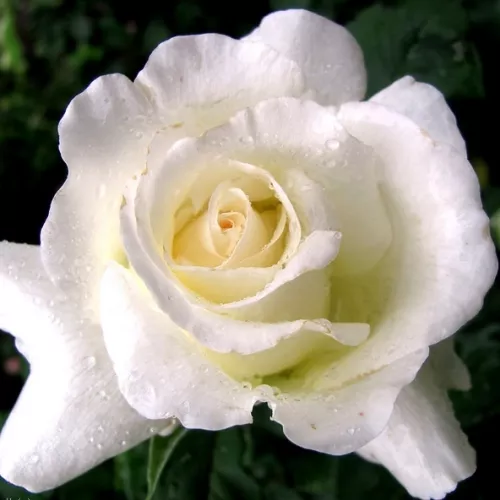
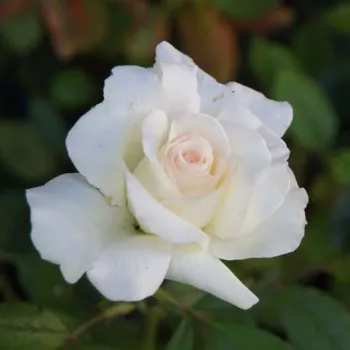
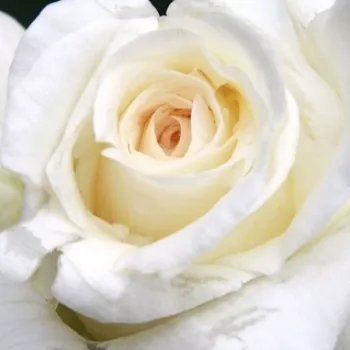
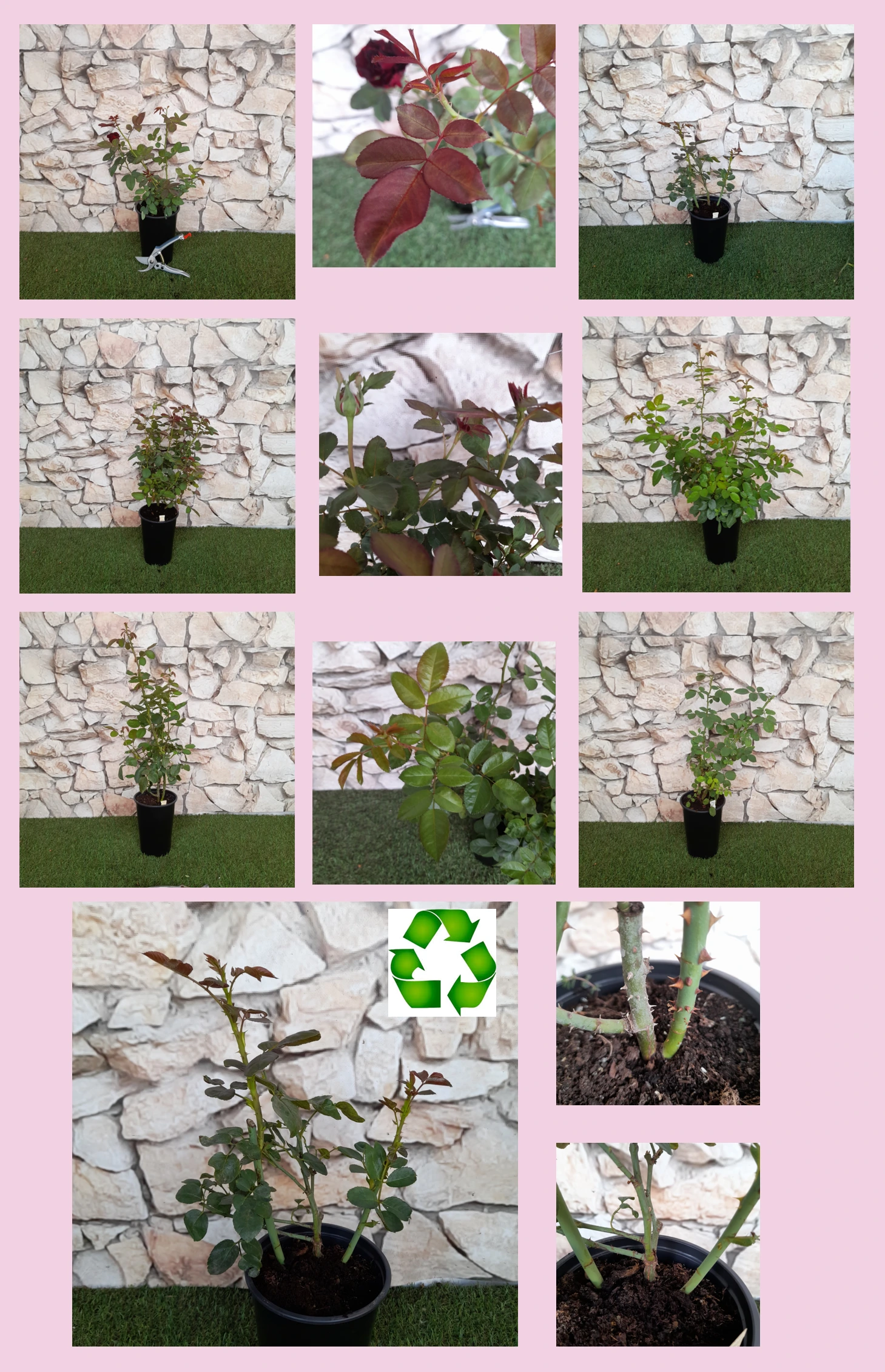
This elegant hybrid tea rose brings refined structure and reliable flowering to classic British front gardens, with upright, well-spaced stems that present each bloom to perfection. Its creamy white flowers open from ivory buds brushed with soft pink, creating a gentle, luminous focal point in borders and near entrances. The fragrance is unexpectedly powerful, a long-lasting scent ideal for cutting and bringing indoors. As an own-root plant it is naturally durable, rebuilding from its base over time for a long garden life with stable shape and flowering. In typical UK conditions it copes well where beds are raised or improved to manage heavier soils and wetter spells, giving dependable results without specialist techniques. With remontant repeat flowering, it delivers multiple flushes through summer, while moderate disease tolerance helps keep maintenance manageable. Plant once, then watch as roots establish in year one, top growth builds in year two and full ornamental value emerges by year three for a truly lasting garden feature.
Usage options
| Target area | Reasoning |
|---|
| Front garden focal point |
The upright, medium-sized bush forms a clear, tidy outline that suits smaller UK front gardens where space is limited but impact matters. Its refined white blooms sit neatly above mid-green foliage, giving a composed, elegant look right by the front door that stays in scale with low walls and pathways, ideal for appearance-conscious beginners. |
| Small rose bed or border group |
Planted in groups of three to five at the recommended spacing, the plants knit together into a coherent, balanced bed, yet each flower remains individually visible. This makes it easy to achieve a designed, “finished” feel in a modest space without complex plans, well suited to family gardens where you want clear structure with minimal trial and error for time-pressed homeowners. |
| Cutting area for home bouquets |
The high-centred, exhibition-style blooms are borne singly on straight stems, so they cut beautifully for vases and table arrangements. Their strong, long-lasting fragrance means each stem feels like a special feature indoors, giving good value from a small planting and encouraging regular cutting that also helps keep bushes neat for aesthetically minded gardeners. |
| Feature rose in mixed cottage-style planting |
The calm white and blush tones blend easily with classic cottage perennials such as echinacea and rudbeckia, allowing you to weave it into existing borders without clashing colours. Its moderate height fits naturally among herbaceous layers, creating a gentle, romantic look that feels established quickly, especially appealing to lovers of traditional cottage-gardens. |
| Specimen rose near patios and seating |
The intense perfume carries well around seating areas, so even a single plant near a terrace or bench gives a noticeable sensory reward on still evenings. Because the bush stays compact and upright, it does not sprawl into walkways or furniture, making it easier to manage in everyday use while still delivering a sense of luxury for fragrance-seeking enthusiasts. |
| Low-maintenance decorative hedge |
At hedge spacing the plants form a gently undulating line of upright stems dotted with white blooms, offering visual separation between drive, lawn and beds without the clip-intensive regime of traditional hedging. Moderate disease resistance and clear structure simplify seasonal care, especially pruning, making it approachable for practical-minded owners. |
| Container planting in large pots |
In a 40–50 litre container with good drainage, this rose gives a vertical accent with generous flowers where soil is poor or paved over, such as small urban gardens and rented spaces. The own-root habit means the plant establishes steadily and can be repositioned as layouts change, suiting flexible, movable schemes for balcony and courtyard users. |
| Reliable long-term garden framework rose |
As an own-root hybrid tea introduced in 2011, it is bred for garden durability, building a balanced framework that matures rather than weakening on a graft. With sensible care and attention to drainage in heavier soils, it offers many years of repeat flowering and structural presence, reassuring those planning long-lived beds for forward-thinking planners. |
Styling ideas
- Classic-Entrance – Flank a path or front step with two matching plants underplanted with low lavender or nepeta to highlight the white blooms – for owners who want a quietly formal welcome.
- Cottage-Mix – Combine with echinacea, rudbeckia and tawny daylilies so the calm white flowers punctuate warm summer colours – for gardeners seeking a relaxed but harmonious cottage style.
- Perfumed-Patio – Grow one plant in a 50-litre pot by a seating area, with trailing thyme at the rim, to enjoy intense scent in a compact space – for balcony and terrace rose lovers.
- Cutting-Row – Plant a short row along a sunny fence, spaced for easy access, to supply long-stemmed, exhibition-type blooms for vases – for home florists who like regular picking.
- Calm-Border – Use as a white accent in a mixed border of pinks, blues and silvers, ensuring the upright form adds rhythm without visual clutter – for design-focused but busy gardeners.
Technical cultivar profile
| Characteristic | Data |
|---|
| Name and registration |
Hybrid tea rose marketed as CORINNA SCHUMACHER – white hybrid tea rose – Guillot; exhibition name approved by the American Rose Society as Corinna Schumacher for show and cutting use. |
| Origin and breeding |
Bred by Georges Guillot at Roseraies Pierre Guillot, France, with parentage not disclosed; introduced by Roseraies Guillot in 2011 as a garden and cutting hybrid tea for European climates. |
| Growth and structural characteristics |
Forms an upright, moderately dense bush about 70–90 cm high and 35–50 cm wide, with mid-green, slightly glossy foliage and moderate prickliness, giving a compact, easily managed framework. |
| Flower morphology |
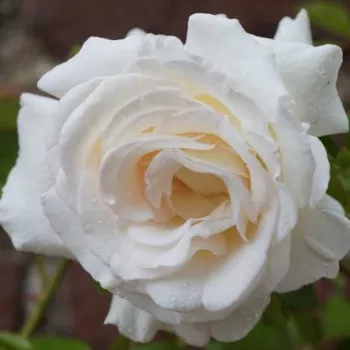
Large, double, high-centred blooms with 26–39 petals, borne mainly singly on stems; pointed, cut-rose style buds, with remontant flowering and an abundant second flush in suitable conditions. |
| Colour data and phenology |
Flowers open ivory-white with a soft pink wash at the petal bases, then brighten to pure white before fading to creamy white; subtle pink tones gradually diminish as the bloom ages in the garden. |
| Fragrance and aroma |
Described as a very strong, intense and long-lasting scented rose suitable for planting near paths or seating and for cutting, though the precise fragrance character has not been formally documented. |
| Hip characteristics |
Produces small numbers of spherical orange-red hips about 10–14 mm across after flowering, adding a discreet seasonal accent without dominating the plant’s overall ornamental effect. |
| Resistance and winter hardiness |
Rated to approximately –21 to –18 °C (RHS H7, USDA 6b, Swedish Zone 3); black spot resistant with moderate susceptibility to powdery mildew and rust, requiring occasional preventative care. |
| Horticultural recommendations |
Best in a sunny position with well-drained soil; recommended spacing 35–60 cm depending on use, with 6.3–7.2 plants/m² for mass planting, plus routine feeding and light pruning for repeat bloom. |
CORINNA SCHUMACHER offers refined white, strongly scented blooms on an easy-to-place upright bush, and as an own-root rose it builds lasting structure with repeat flowering; a thoughtful choice if you want dependable elegance over many seasons.