Coraline – apricot climbing rose for charming British front gardens
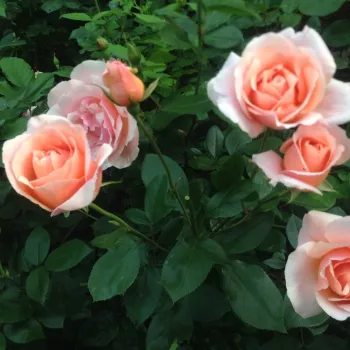
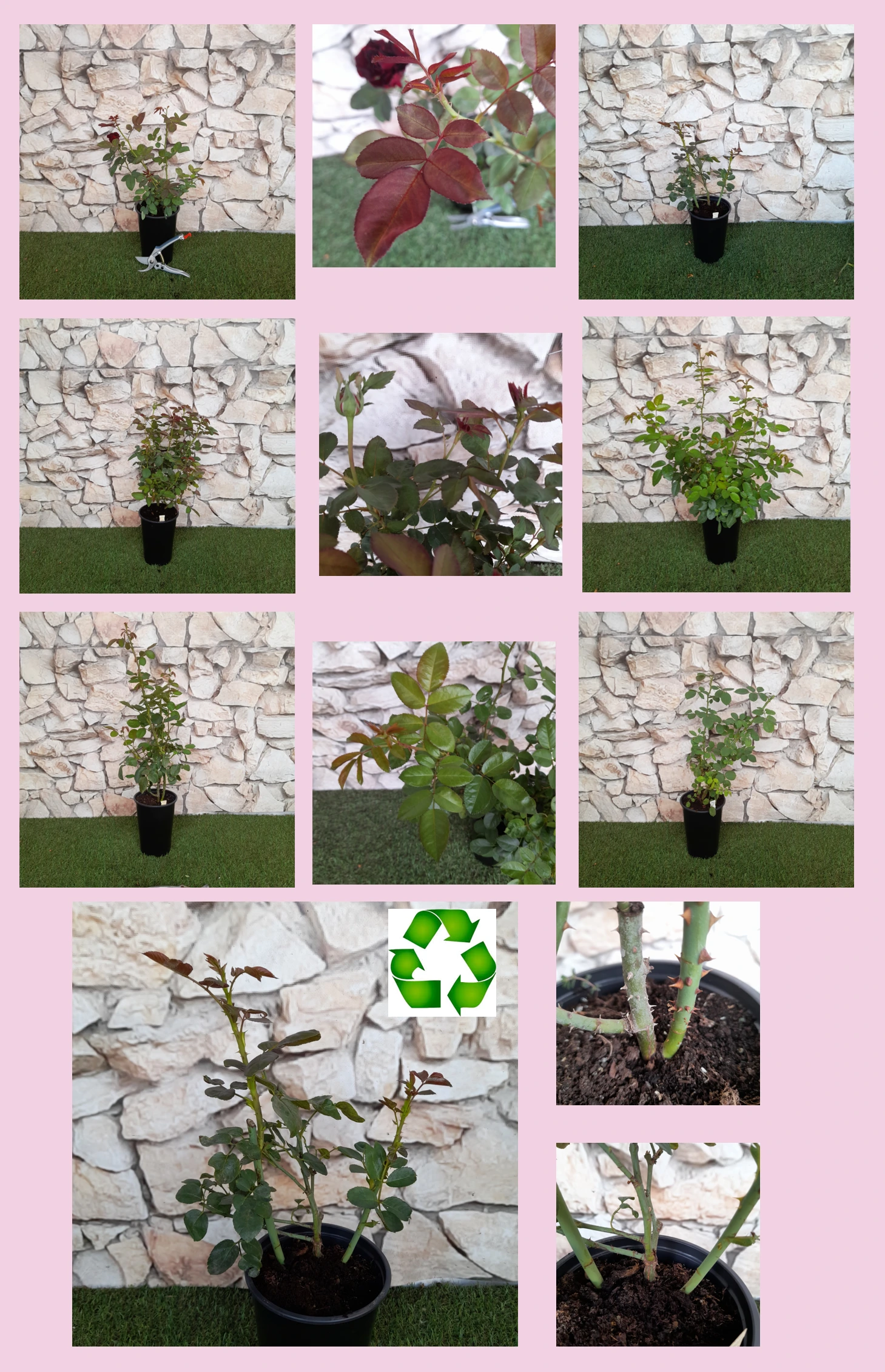
With its warm peach tones and semi-double blooms, Coraline brings cottage-garden romance to pergolas, fences and house walls while remaining reassuringly manageable for everyday family gardens. This medium-maintenance climber offers a reliable first flush followed by a generous second wave of flowers, so your vertical spaces stay gently coloured through the summer without demanding expert pruning. Own-root planting means Coraline settles in securely, building a long-lived framework that regenerates well after winter and suits typical UK soils, even where you need to think about good drainage on heavier ground in a breezy, rain-exposed setting. Over the first few seasons it moves from strong root growth, to confident new shoots, to its full ornamental presence, giving you time to guide its structure over arches, walls and pillars for lasting garden character.
Usage options
| Target area |
Reasoning |
| Front-garden pergola framing the entrance |
Coraline’s climbing habit and 2.5–4 m height allow you to dress a modest pergola or porch without overwhelming the façade. Semi-double blooms in warm peach tones give a welcoming look that suits classic British front gardens and cottage-style paths, while medium maintenance keeps tasks manageable for time-pressed owners and beginners. |
| House wall or sunny fence in a family garden |
Trained on wires or a trellis, Coraline’s mid-green foliage and repeat-flowering clusters create a soft, textured backdrop that breaks up brick or fencing. Its own-root vigour builds a durable framework that responds well to periodic cutting back, suiting homeowners who want long-term structure with simple seasonal jobs for busy-gardeners. |
| Small cottage-style border with vertical accent |
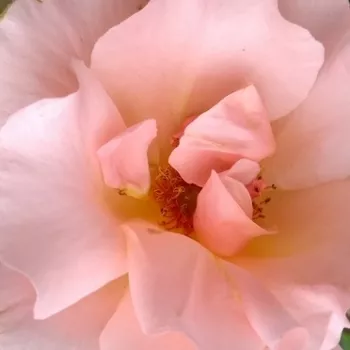
The warm salmon-peach colour blends beautifully with traditional cottage companions such as windflowers and montbretia, adding height without taking too much ground space. Semi-double flowers with exposed stamens also offer modest interest for pollinators, a gentle bonus for wildlife-minded gardeners. |
| Informal pillar rose near a seating area |
Wrapped around an obelisk or pillar, Coraline’s flat, semi-double blooms and moderate fragrance bring a soft, romantic feel without overpowering the space. Its controllable spread and manageable thorniness help keep paths and seating comfortable, appealing to those who value beauty with everyday . |
| Lightly shaded side passage or courtyard |
Because Coraline tolerates partial shade, it performs reliably along side returns and courtyards that get only part-day sun, especially where reflected light from walls helps the peach tones glow. Own-root resilience supports long-term performance here, which suits space-conscious urban owners. |
| Medium-height flowering screen or boundary |
Planted at about 1.4 m spacing along a fence, Coraline forms a moderately dense, mid-green screen that softens boundaries without becoming oppressive. Its moderate disease resistance and self-cleaning tendency keep the line looking tidy with basic care, ideal for straightforward hedging solutions for families. |
| Large container or half-barrel near the front door |
In a 40–50 litre or larger container with support, Coraline can be trained as a compact climber, giving vertical colour where soil is limited. Regular watering in dry spells stabilises performance, while its own-root nature means it recovers well if pruned harder, providing flexible options for small-space gardens. |
| Feature rose in mixed, low-input planting |
Used sparingly as a focal climber among simple perennials and groundcovers, Coraline offers reliable seasonal colour and shape without complex pruning regimes. Its long-term, own-root stamina and moderate care needs make it a sound choice where you want structure that quietly copes with typical British weather for non-experts. |
Styling ideas
- Cottage-arch – Train Coraline over a simple metal or wooden arch, underplanting with windflowers and creeping baby’s-breath for a soft, frothy base – ideal for romantically inclined homeowners.
- Warm-wall – Use along a south- or west-facing brick wall so the peach blooms and mid-green foliage play against the masonry, with airy grasses at the base – suited to style-conscious urban gardeners.
- Pastel-screen – Create a gentle boundary by repeating Coraline along a fence, filling gaps with pastel perennials to echo the salmon-peach tones – good for families wanting privacy without heaviness.
- Pillar-focus – Spiral Coraline up a freestanding pillar surrounded by low mounding plants, letting the climber provide height and soft colour – attractive for those seeking a simple focal point.
- Courtyard-mix – In a large container, pair Coraline with trailing groundcovers and a few seasonal annuals to brighten a paved area – perfect for small-space gardeners who value easy structure.
Technical cultivar profile
| Parameter |
Data |
| Name and registration |
Coraline is a large-flowered climbing rose marketed as Coraline Rambling rose Eve, belonging to the climbing rose group and used mainly as a decorative garden climber. |
| Origin and breeding |
Bred by André Eve in France and introduced in 1976 by Clause, this cultivar’s parentage is not recorded but reflects classic French climber selection of the period. |
| Growth and structural characteristics |
A climbing rose reaching about 250–400 cm in height, with a 150–260 cm spread, moderately dense, mid-green, slightly glossy foliage and a moderately thorny framework suitable for training. |
| Flower morphology |
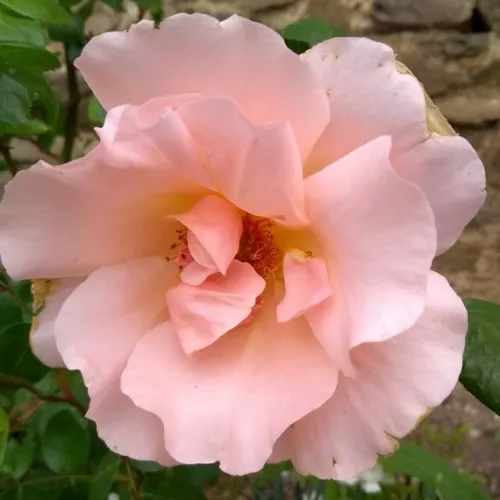
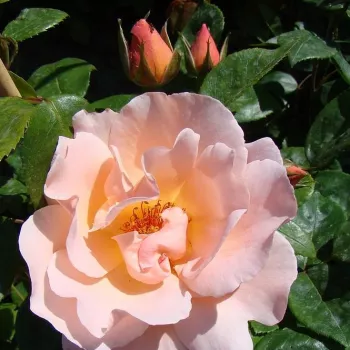
Semi-double, flat blooms with roughly 13–25 petals, usually borne singly, in a large-flowered size class, repeating with a notable second flush for extended seasonal interest. |
| Colour data and phenology |
Warm salmon-peach blooms with delicate pink hues that lighten as they open, later fading towards pastel pink and cream tones, with colour retention classed as moderate in strong sunlight. |
| Fragrance and aroma |
The scent is very weak, with a delicate, classically rosy character noticeable only at close range, so this cultivar is grown primarily for its colour and form rather than perfume. |
| Hip characteristics |
Forms moderate quantities of ovoid, orange-red hips around 12–18 mm across, adding seasonal interest and indicating only partly self-cleaning behaviour after flowering. |
| Resistance and winter hardiness |
Shows moderate resistance to black spot, powdery mildew and rust, is classed around USDA zone 6b with RHS H7 rating, tolerating approximately –21 to –18 °C with normal garden care. |
| Horticultural recommendations |
Best for pergolas, walls, fences and pillars at 140–220 cm spacing; suitable for partial shade, requires irrigation in prolonged drought and occasional disease monitoring and control. |
Coraline combines warm peach colour, reliable repeat flowering and a manageable climbing habit with the long-term stability of an own-root plant, making it a thoughtful choice if you would like a gently romantic, enduring garden feature.