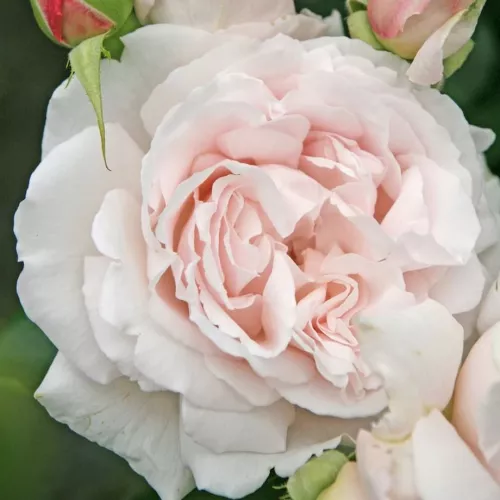
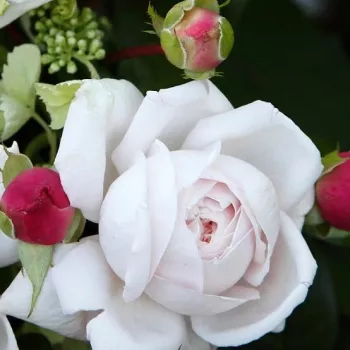
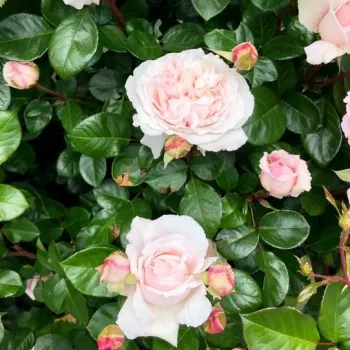
Constanze Mozart® Parfuma® – pale pink, richly scented floribunda rose
Fragrant clusters of pastel blooms bring a romantic, cottage-style feel to even the smallest front garden, while the compact, upright habit stays neatly in bounds without constant cutting back; its reliable remontant flowering gives you repeat waves of colour through summer, with medium care needs that suit busy beginners who still want a premium, long-lived display, and as an own-root rose it settles steadily into heavier soils and copes well with sites where exposing clay needs thoughtful drainage; planted once, it can mature over several seasons, with roots establishing first, then fuller top growth, and finally its most impressive display by about the third year.
Usage options
| Target area |
Reasoning |
| Front garden feature by the entrance path |
The compact, upright, bushy habit (around 70–90 cm) keeps paths clear while giving a refined welcome with pastel pink, rosette blooms. Its balanced proportions work well in narrow urban front gardens without overpowering the space, ideal for homeowners. |
| Small bed or rose border near seating |
The very strong, fruity fragrance carries well, so planting near a bench or patio lets you enjoy scent and colour at close quarters. Cluster-flowered sprays provide continuous interest through summer, perfect for garden-lovers. |
| Cottage-style mixed planting with perennials |
Its pale pink, rosette flowers blend easily into classic cottage schemes alongside bellflowers and low, frothy companions, without clashing with other tones. The neat bush shape gives structure between softer perennials, suiting cottage-gardeners. |
| Low rose hedge or edging along a drive |
Regular repeat flowering and medium maintenance allow a tidy, low hedge effect at 50–70 cm spacing, framing drives or paths with a formal yet soft look. Occasional deadheading and light pruning keep a smart line for perfectionists. |
| Romantic container on terrace or balcony |
The moderate size and bushy structure adapt well to a large container of at least 40–50 litres with good drainage, providing height and fragrance without becoming unmanageable, especially convenient for balcony-owners. |
| Small groups of 3 in a family back garden |
Planted in triangles at about 55 cm, groups quickly read as a coherent, softly coloured mass, giving impact without complex design. Over several seasons the plant naturally fills out, rewarding patient beginners. |
| Traditional bed in heavier or challenging soils |
As an own-root shrub it establishes a stable framework and copes reliably where drainage has been improved on heavier ground, supporting balanced, long-term growth even in typical British conditions, reassuring for cautious starters. |
| Cutting patch for scented indoor blooms |
Medium-sized, very double rosette flowers on cluster stems make beautifully scented cut stems for vases, while remontant flowering ensures more buds follow. Taking a few cuts does not spoil the bush shape, encouraging creative florists. |
Styling ideas
- Doorway welcome – flank a front path with pairs of Constanze Mozart® under low box or Hebe for a restrained, scented entrance – ideal for urban homeowners seeking an elegant first impression.
- Cottage trio – plant three together with Gypsophila repens and Dalmatian bellflower to soften the base, echoing classic pastel cottage borders – for romantically minded cottage-garden fans.
- Patio parfum – grow one rose in a 50‑litre clay pot with trailing Irish moss as a living underplant, placing it beside outdoor seating – for balcony and terrace users wanting fragrance without a large bed.
- Soft hedge – line a short drive or internal path, spacing plants evenly to form a low, scented border that stays neat at around knee height – for families who like order without formal topiary work.
- Cutting corner – dedicate a sunny bed section to a small drift of Constanze Mozart® for regular, perfumed cut flowers that recharge with repeat blooms – for creative gardeners who enjoy arranging their own roses indoors.
Technical cultivar profile
| Parameter |
Data |
| Name and registration |
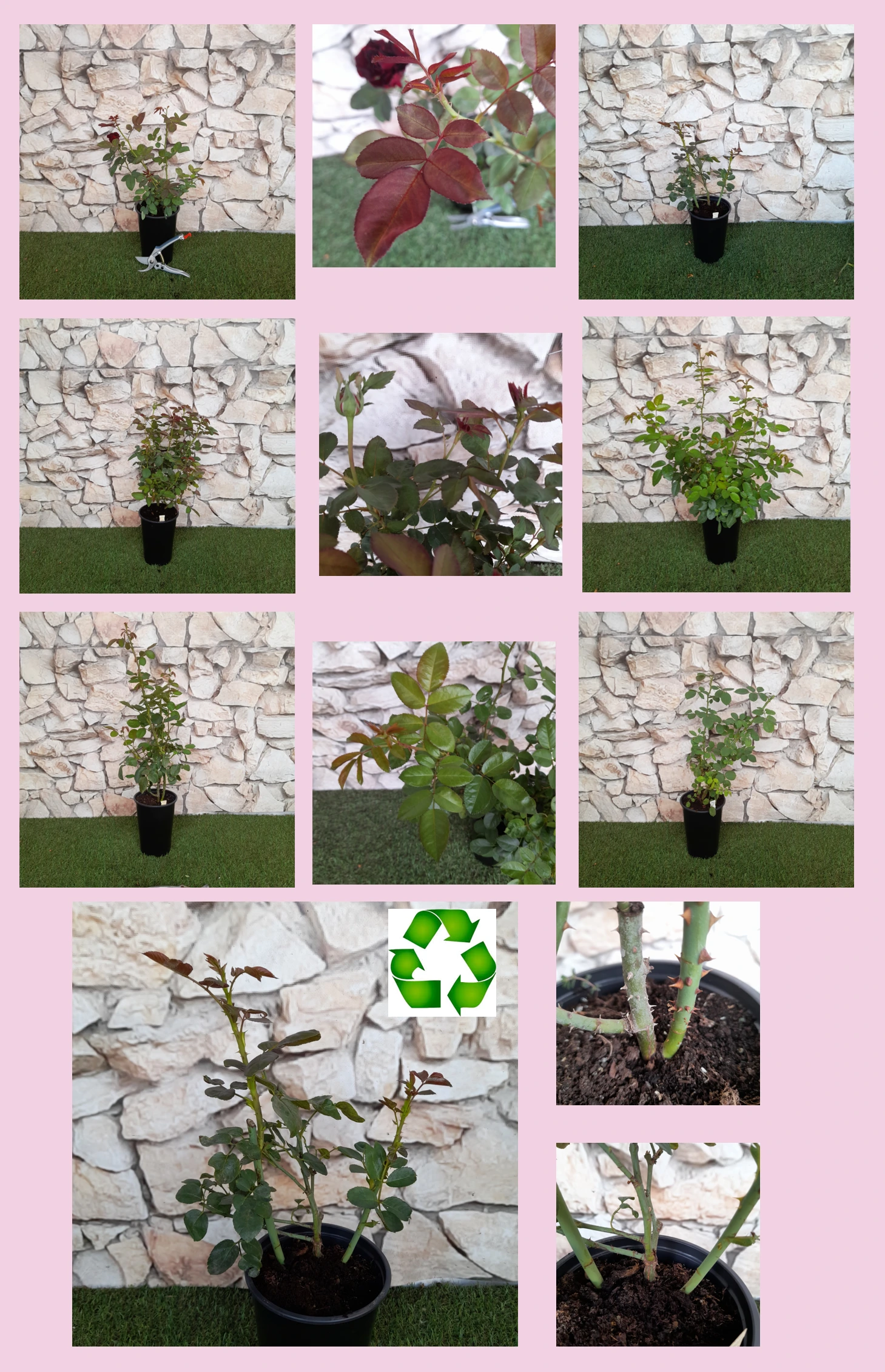
Floribunda bed rose; registered as KORmaccap, marketed as Constanze Mozart® Parfuma®. ARS exhibition name Constanze Mozart; own-root plants supplied in 2-litre pharmaROSA® ORIGINAL pots. |
| Origin and breeding |
Bred by Tim-Hermann Kordes at W. Kordes’ Söhne, Germany, from unnamed seedlings. Registered 2015 with US Plant Patent PP25 688 and introduced internationally after 2015 in the Parfuma® collection. |
| Awards and recognition |
Well regarded in European trials: Silver Medal Premio Roma 2011, 7th Prize Baden bei Wien 2012, Certificate of Merit Belfast 2015, and Gold Medal Kortrijk/Courtrai 2015 for garden performance and fragrance. |
| Growth and structural characteristics |
Upright, bushy shrub reaching about 70–90 cm high and 50–70 cm wide, with dense, mid-green, slightly glossy foliage and moderate prickles, forming a compact, balanced bush suitable for beds and borders. |
| Flower morphology |
Very double, rosette-shaped, medium-sized flowers (approx. 4–7 cm) carried in clusters, with more than 40 petals. Remontant, giving a good second flush and subsequent flowerings through the season with deadheading. |
| Colour data and phenology |
Pale pastel pink with a cream-tinged centre, ARS LP, RHS 65C outer, 65D inner; buds darker, opening to creamy pink, then fading towards creamy white with a faint pink tint, especially in strong sun. |
| Fragrance and aroma |
Very strongly scented floribunda, with a rich, fruity character noticeable from a distance in warm, still weather, making it suitable for scent-focused garden areas and for cutting for perfumed indoor displays. |
| Hip characteristics |
Due to its very double flowers and concealed stamens, hip set is generally poor; only occasional, very small hips up to about 5 mm in diameter may form, so ornamental value lies mainly in flowers and scent. |
| Resistance and winter hardiness |
Hardy to around −26 to −23 °C (RHS H7, USDA 5b, Swedish zone 4). Disease resistance moderate to powdery mildew and black spot, good to rust; appreciates regular watering during extended dry spells. |
| Horticultural recommendations |
Best in sunny, well-drained beds or large containers; medium maintenance: occasional plant protection and deadheading recommended. Suggested spacings 50–90 cm depending on use, with 3.3–3.8 plants/m² for mass planting. |
Constanze Mozart® Parfuma® offers compact habit, sumptuous fragrance and repeat flowering in a durable own-root form, making it a thoughtful choice for those planning a long-lasting, easy-care rose feature.