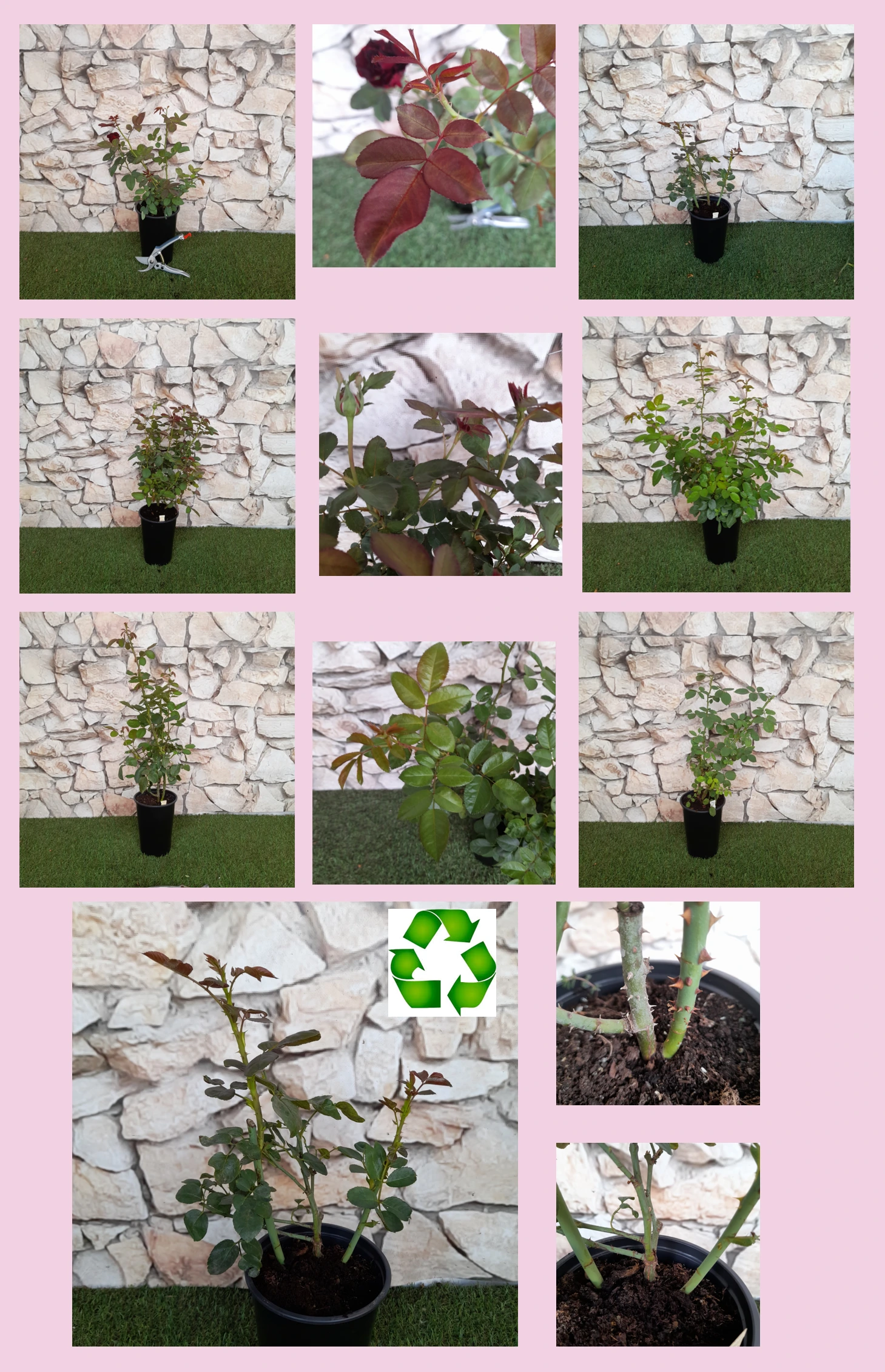
CONSTANCE SPRY – pink climbing rose – Austin
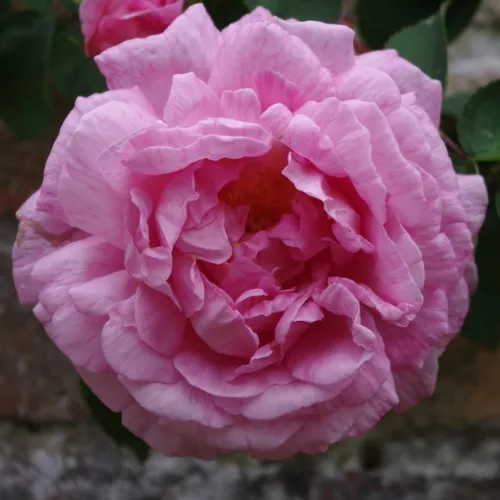
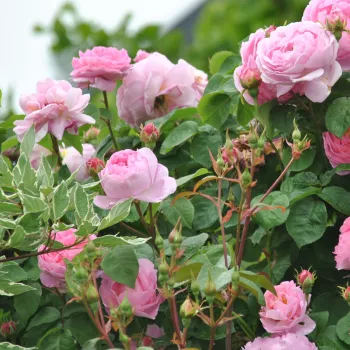
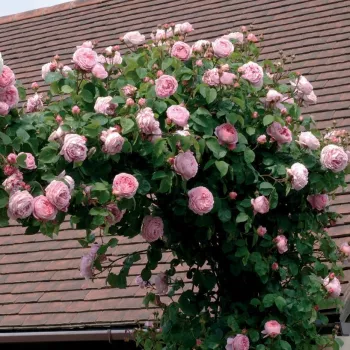
Classic cottage-style charm meets easy-care reliability in Constance Spry, a vigorous English climbing rose that clothes walls, fences and arches with deeply cupped, romantic mid-pink rosettes and a famously strong myrrh fragrance. Bred by David Austin, it forms a large, dense, long-lived framework that, once trained, needs only light annual pruning and straightforward watering, coping well even where gardens face brisk winds and frequent rain along exposed coasts. Its healthy foliage and proven garden performance reduce the need for spraying, while the own-root plant in a 2-litre pot settles in quickly: roots in the first year, generous shoots in the second, then full ornamental presence from the third, giving you dependable, low-effort vertical colour and structure. Though it flowers once, the sheer abundance of summer bloom, followed by decorative hips, ensures enduring impact for family gardens that value beauty without fuss, supporting wildlife and classic British front-garden character.
Usage options
| Target area | Reasoning |
|---|
| Front-garden house wall or sunny façade |
Ideal where you want a showpiece climber that flowers reliably once a year with minimal fuss, then holds a well-leafed framework for the rest of the season. Its low maintenance needs and good disease resistance keep the front garden looking cared-for without constant work, even if you are a busy beginner. |
| Arbour or pergola over a main path |
The vigorous, upright growth quickly covers arches and pergolas, creating a tunnel of strongly scented pink rosettes at head height in early summer. After flowering, the dense foliage still gives shade and enclosure, so you gain a long-lived garden structure that only needs basic annual pruning, ideal for a family gardener. |
| Fence or boundary screen in a family garden |
Once established, its tall, spreading habit forms an informal, flower-laden screen that softens boundaries and provides privacy. The own-root plant builds a stable framework over time, so if stems are damaged they regrow from the base, supporting a dependable, long-term boundary feature for the homeowner. |
| Mixed cottage border with classic perennials |
The rich mid-pink flowers and matt light-green foliage blend naturally with catmint, hardy geraniums and grasses, giving a relaxed cottage look that suits average-sized gardens. One strong summer flush is easy to combine with other perennials that carry colour later, simplifying planning for the style-conscious. |
| Partially shaded side passage or courtyard |
Tolerance of partial shade means it will still flower well on aspects that receive only part-day sun, such as east- or west-facing walls along a side path. This flexibility is useful in small UK plots where full sun is limited, allowing you to green up awkward corners as a town gardener. |
| Wildlife-friendly, naturalistic planting |
Single, abundant early-summer flowering followed by decorative hips provides nectar, pollen and later seasonal food and shelter for birds and insects, complementing relaxed plantings with sedges and groundcovers. With healthy foliage and minimal spraying, it suits an environmentally aware garden-owner. |
| Exposed, rain-prone coastal or windy garden |
The robust framework and dense foliage anchor well when properly tied in, giving a stable, wind-tolerant climber that copes with blustery, wet conditions common in many British gardens, particularly where regular rainfall and strong winds meet on open plots, reassuring the cautious buyer. |
| Statement rose near seating or terrace |
The very strong, myrrh-scented perfume is best enjoyed close to where you sit, turning a patio or bench into a seasonal highlight. One generous flush is easier to tend and deadhead in a confined space, while the long-lived, own-root base gives lasting value for the fragrance-loving beginner. |
Styling ideas
- Cottage-arch – Train Constance Spry over a metal or wooden arch, underplant with low catmint and creeping bugle for soft edging and continuous colour – ideal for lovers of romantic cottage-garden entrances.
- Soft-screen – Use along a front-garden fence, weaving stems through wires and combining with airy ornamental grasses to create a gentle, semi-transparent pink screen – suited to homeowners wanting privacy without heaviness.
- Country-courtyard – On a sunny courtyard wall, mix with terracotta pots of herbs and sedges to contrast the lush pink blooms with simple foliage and structure – appealing to busy urban gardeners seeking low-effort charm.
- Family-arbour – Cover a pergola beside a lawn or play area, pairing with shade-tolerant underplanting such as Japanese sedge for a soft, cool floor – perfect for families wanting a green retreat with minimal maintenance.
- Heritage-border – Place as a tall backdrop in a mixed border with old-fashioned perennials and spring bulbs, letting its once-a-year display set the early-summer scene – for enthusiasts of classic, period-style planting.
Technical cultivar profile
| Characteristic | Data |
|---|
| Name and registration |
Constance Spry is a large-flowered climbing English Rose; registered and exhibited under the same name, used commercially as a climbing rose for garden and show purposes. |
| Origin and breeding |
Bred by David C. H. Austin in the United Kingdom from ‘Belle Isis’ × ‘Dainty Maid’; introduced and distributed by David Austin Roses Ltd in 1961. |
| Awards and recognition |
Holds the RHS Award of Garden Merit (1993) and the Royal National Rose Society AGM (1996), plus recognition at the Rose Society of Tucson show in 1999. |
| Growth and structural characteristics |
Vigorous, upright climber reaching about 2.5–4 m high and 1.8–3.2 m wide, with dense, matt, light-green foliage and moderate prickles, forming a substantial structural framework. |
| Flower morphology |
Large, very double rosette blooms, usually borne in clusters, with more than 40 petals per flower; produces a single, heavy early-summer flush rather than repeating later in the season. |
| Colour data and phenology |
Mid-pink flowers, outer petals paler and inner petals richer; colour lightens in strong sun but stays deeper in cooler weather, creating an even pastel-pink display at full bloom. |
| Fragrance and aroma |
Very strong, distinctive myrrh fragrance, noticeable from a distance in still conditions; valued for perfumed arches and seating areas where scent is a key design element. |
| Hip characteristics |
Produces numerous ellipsoidal hips about 14–22 mm wide in orange-red tones; hips are edible and ornamental, extending garden interest into autumn and early winter. |
| Resistance and winter hardiness |
Good overall disease resistance to powdery mildew, black spot and rust; reliably hardy to around −26 to −23 °C (RHS H7), though it appreciates regular watering in summer. |
| Horticultural recommendations |
Best on supports such as pergolas, arbours, fences or walls at 1.5–2.75 m spacing; tolerates partial shade and suits low-input gardens where once-flowering climbers are acceptable. |
Constance Spry offers one glorious flush of scented pink bloom, reliable health and a long-lived, regenerating own-root framework; a considered choice if you want a classic climbing rose that quietly earns its place over many years.