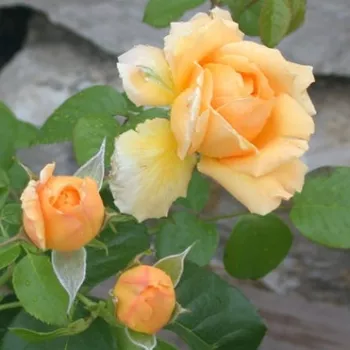
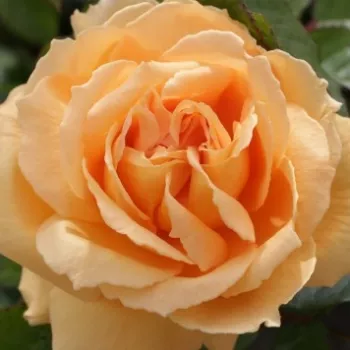
Chevreuse – apricot climbing rose – KORplavi
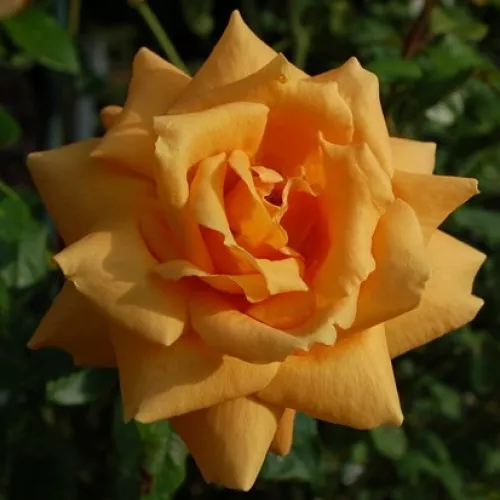
Apricot blooms in soft, changing shades make Chevreuse a welcoming feature for classic British front gardens, while its climbing habit clothes walls, arches and trellises without demanding complex pruning. This bushy, upright rose builds a structure of dense, glossy dark green foliage that provides a strong background for the elegant, cup-shaped clusters. Bred by Kordes, it delivers reliable, repeating flushes so you can enjoy colour from early summer onwards with only moderate care. As an own-root plant, it offers long-term stability, regenerating well after harder pruning and settling securely even where you need good anchoring in breezy, exposed gardens by the house. Over time it matures into a generous coverage for pergolas and boundaries, while its mild, fresh-fruity fragrance brings a gentle scent close to paths and seating areas. With simple planting and steady growth, you can look forward to a natural progression from strong roots, to building shoots, to full ornamental value within three seasons.
Usage options
| Target area |
Reasoning |
| Front garden focal climber |
Use Chevreuse as the main vertical accent on a house wall or porch, where its warm apricot tones and medium height create a welcoming, tidy entrance without overpowering the façade; an easy, reassuring choice for the style-conscious beginner. |
| Climbing rose for small arches and trellises |
Its bushy, upright growth and 160–240 cm height make it ideal for covering modest arches, obelisks or trellises by paths and patios, giving you classic cottage-garden charm with manageable pruning tasks for the busy homeowner. |
| Soft-coloured backdrop in mixed borders |
The pastel peach-yellow clusters fade to creamy tones, blending gently with herbaceous perennials and shrubs to form a calm backdrop that flatters bolder flowers, well suited to informal, colour-coordinated schemes for the relaxed gardener. |
| Long-season flowering feature near seating |
Regular repeat flowering with good second flush performance ensures continued interest through summer, so a single plant can provide months of colour and a light, fresh-fruity scent close to terraces, benches or outdoor dining for the appreciative visitor. |
| Informal boundary or low screen |
Planted along a fence or at standard hedging distances, its strong, upright shoots and dense, glossy foliage form a soft, green screen accented by warm flowers, helping to divide spaces gracefully for the privacy-seeking family. |
| Climber for exposed, around-the-house positions |
The sturdy framework and own-root resilience help it anchor and adapt well where walls and corners funnel wind, giving stable cover and colour with moderate care needs, well suited to practical, time-poor owners. |
| Container-grown feature near the front door |
In a large 40–50 litre container with good drainage, Chevreuse can be trained against railings or porch supports, offering an elegant vertical accent where borders are limited, an accessible way into roses for the space-conscious urbanite. |
| Small group planting for classic cottage effect |
Planted in groups of 2–3 at recommended distances, its consistent colour and repeat flowering create a harmonious, traditional look that matures steadily over the first three years, building confidence for the aspiring cottage-style enthusiast. |
Styling ideas
- Cottage Arch – Train Chevreuse over a narrow garden arch, underplanting with lavender and soft pink geraniums to echo its peach tones – ideal for lovers of traditional cottage entrances.
- Warm Facade – Fan-train along a sunny house wall with cream foxgloves and soft grasses at the base for a gentle, textural contrast – suited to homeowners seeking understated elegance.
- Patio Screen – Grow in a 50‑litre container against trellis to create a semi-private nook near seating, combined with aromatic herbs – perfect for balcony and small-terrace gardeners.
- Boundary Weave – Interplant along a fence with Boston ivy or light climbers so glossy foliage and apricot blooms punctuate a green tapestry – attractive to those reshaping overlooked boundaries.
- Winter-Spring Interest – Pair Chevreuse with Cornus sanguinea ‘Midwinter Fire’ and spring bulbs so stems, hips and early colour carry the border across seasons – for planners who value year-round structure.
Technical cultivar profile
| Property |
Data |
| Name and registration |
Climbing rose group; registered as KORplavi, marketed as Chevreuse – apricot climbing rose – Kordes; ARS exhibition name Westfalenpark®, large-flowered climber type. |
| Origin and breeding |
Bred by Reimer Kordes, W. Kordes’ Söhne, Germany; parentage unknown × ‘Las Vegas’ hybrid tea; breeding and registration recorded in 1986, introduced via Kordes. |
| Growth and structural characteristics |
Strong, bushy climber with upright canes; height typically 160–240 cm, spread 120–200 cm; dense, dark green, glossy foliage and moderate prickliness support a substantial framework. |
| Flower morphology |
Double, cup-shaped flowers with 26–30 petals; large blooms held in clusters; repeat flowering with particularly abundant second flush, offering sustained display in season. |
| Colour data and phenology |
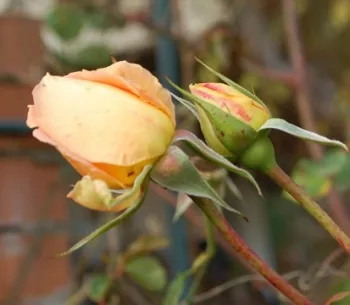
Warm pastel peach-yellow buds open to pale peach with butter-yellow tinge, then fade to creamy peach-yellow; ARS ab, RHS 23C outer and 28D inner tones with good colour retention. |
| Fragrance and aroma |
Mild, fresh, fruity scent noticeable at close range without becoming overpowering; suitable for siting near paths, doors or seating where a gentle fragrance is preferred. |
| Hip characteristics |
Produces small numbers of spherical hips, 8–12 mm in diameter, orange-red (RHS 33A); decorative in close-up plantings but not a dominant ornamental feature. |
| Resistance and winter hardiness |
Moderate resistance to black spot, powdery mildew and rust; best with basic hygiene and occasional treatments; hardy to about −21 to −18 °C, equivalent to RHS H7, USDA 6b, Swedish zone 3. |
| Horticultural recommendations |
Medium maintenance needs; prefers well-drained soil and support structures; recommended spacings 140–240 cm depending on use; plant 0.4–0.5 plants/m² for massed or structured schemes. |
Chevreuse Climbing rose KORplavi offers soft apricot colour, repeat flowering and adaptable climbing growth on a durable own-root framework, a considered choice if you would like a reliable, long-lived feature rose.