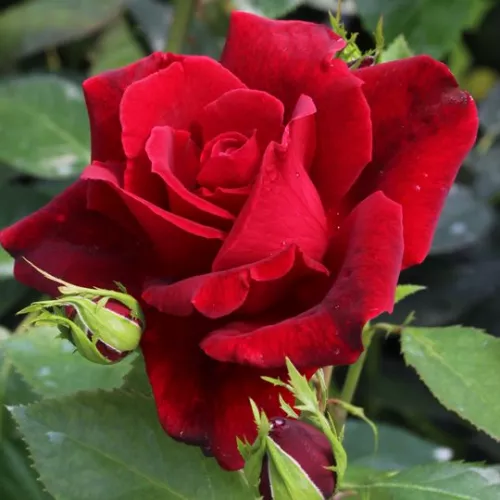
CHÂTEAU D´AMBOISE – dark red hybrid tea rose – Delbard-Chabert
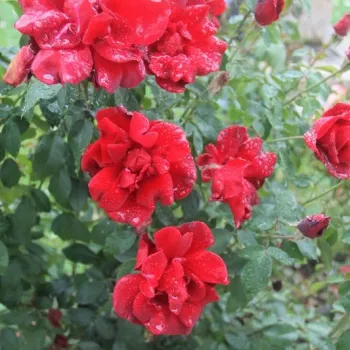
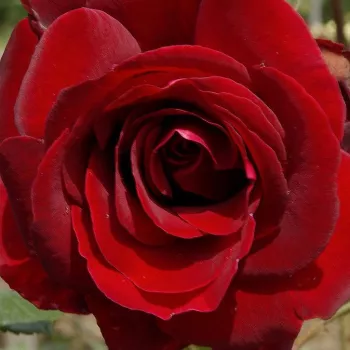
In a typical family garden, Château d’Amboise offers uncomplicated, hybrid-tea elegance with classic long-stemmed blooms that are easy to cut for the vase and enjoy indoors. Its deep, even dark-red colour holds remarkably well, fading slowly through refined burgundy tones rather than deteriorating in strong light, so beds and borders keep their smart appearance between deadheading rounds. Bushy, erect growth and dense, glossy foliage help the plant sit tidily in smaller front gardens or narrow side borders, while moderate disease resistance and medium maintenance needs mean routine care rather than intensive spraying. Own-root planting gives reassuring long-term stability, as the shrub recovers and regenerates if cut back hard, building a reliable structure for years of flowering. Over time it anchors well and copes with breezier, damper British spots, even where wind-exposed conditions and passing showers are a regular feature.
Usage options
| Target area |
Reasoning |
| Single specimen in a small front garden |
As a bushy, erect hybrid tea, CHÂTEAU D´AMBOISE stands out as a single focal shrub beside a path or front door, giving tall, formal blooms without overwhelming a modest plot; an ideal choice for those seeking a statement rose in a limited space for the style-conscious beginner. |
| Mixed border with perennials |
The dense, dark green foliage and medium height integrate easily with perennials such as dwarf lavender, coral bells, and coneflowers, creating a classic cottage-style run of colour that looks composed even when you have only a few roses for the busy home gardener. |
| Cutting patch or vase-border |
Solitary, long-stemmed, medium-sized blooms and repeat flowering make this cultivar excellent for regular cutting, so you can take dark red, exhibition-style flowers indoors through the season without compromising the look of the plant for the flower-arranging homeowner. |
| Formal row or short hedge |
Its upright habit, recommended hedge spacing and dependable repeat flushes allow a smart, low hedge along a drive or front boundary, with uniform, dark red blooms that frame the house neatly yet remain straightforward to prune and keep in order for the orderly garden owner. |
| Small group planting in a feature bed |
Planting three to five bushes at the suggested distance creates a rounded clump of coordinated colour, giving the effect of a larger rose area without complex design work, ideal where you just want to fill a bed once and enjoy reliable structure and bloom for the practical planner. |
| Roses around patios and seating areas |
The mild, fruity fragrance and contained spread suit seating areas where you sit close to the plants, offering scent and visual richness without aggressive thorns or sprawling growth, so maintenance remains limited to seasonal feeding, watering, and light deadheading for the relaxed patio user. |
| Sunny, exposed or breezy positions |
With solid stems, a bushy framework, and colour that copes well with sun and passing rain, this rose performs reliably in open, slightly wind-exposed parts of the garden where more delicate varieties might ball or shatter, supporting long-term structure and display for the coastal-climate gardener. |
| Long-term rose bed in a family garden |
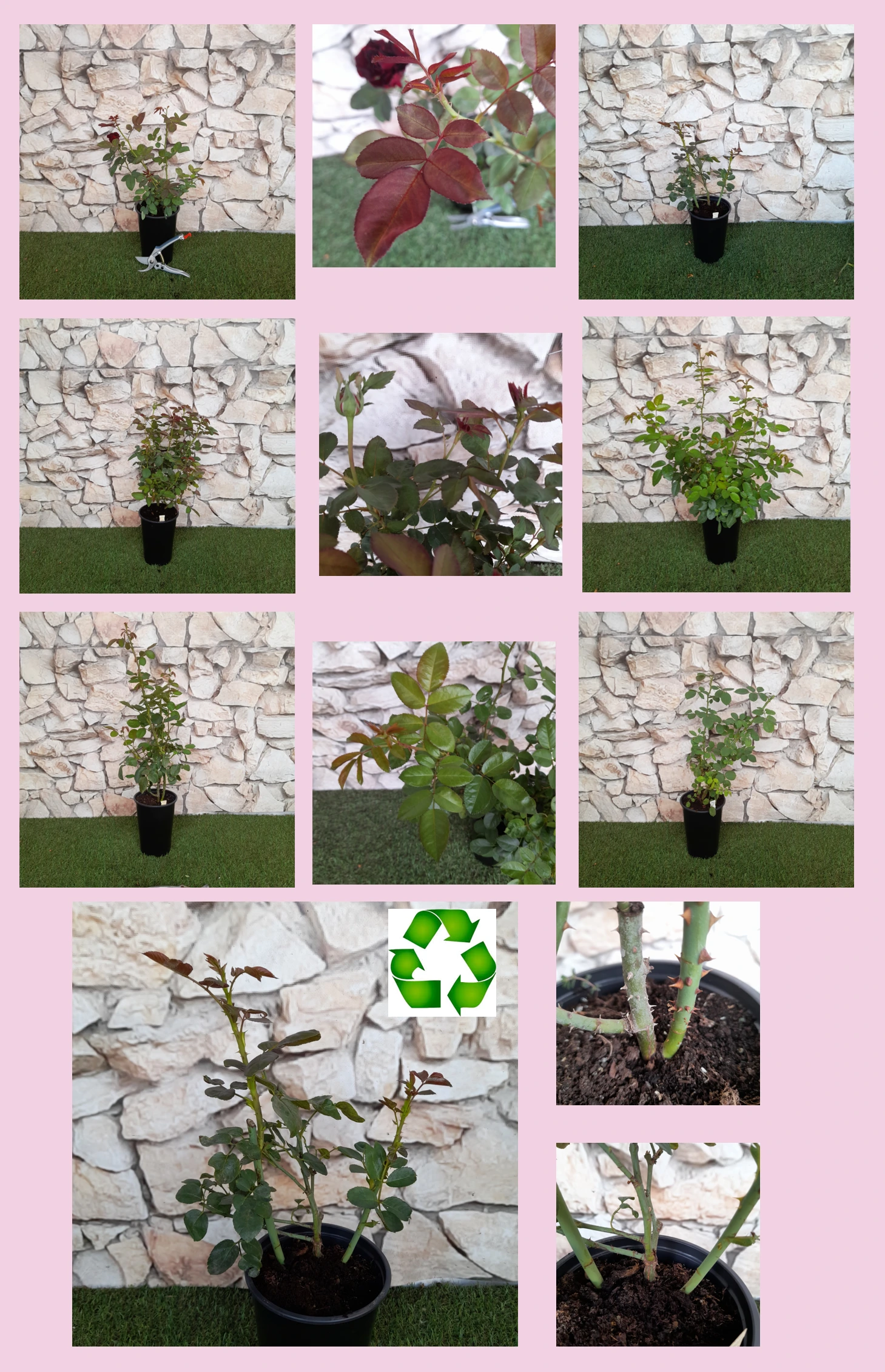
As an own-root, premium-quality plant, it gradually forms a stable bush that can be rejuvenated by harder pruning when needed, providing a durable backbone to a family rose bed that you can rely on year after year with only medium-level routine care for the long-view garden planner. |
Styling ideas
- Classic-entrance – Place a single shrub by a front step or gate, underplant with dwarf lavender and low bulbs for year-round structure – ideal for homeowners wanting a polished yet manageable front approach.
- Cottage-duo – Combine two or three plants with coneflowers and dwarf coral bells in a compact border to echo traditional cottage gardens – perfect for those seeking colour without complex design.
- Ruby-ribbon – Create a short hedge along a path using the recommended spacing to form a neat, dark red ribbon of bloom – suited to gardeners who like clean lines and straightforward pruning.
- Patio-focus – Position one plant near a seating area, with soft grasses and scented herbs, so flowers can be cut for the house while the bush still dresses the terrace – good for busy urban gardeners.
- Feature-clump – Group three to five roses in a small island bed, edging with low perennials to frame the rich dark flowers – appealing to beginners wanting immediate impact from a simple layout.
Technical cultivar profile
| Property |
Data |
| Name and registration |
Hybrid tea rose, registered as DELrouvel; marketed as CHÂTEAU D´AMBOISE with exhibition name Château d’Amboise, belonging to the hybrid tea commercial group. |
| Origin and breeding |
Bred by André Delbard-Chabert, Delbard (France), from Tropicana and complex red hybrid tea lines; introduced and registered in 1988 for garden and exhibition use. |
| Awards and recognition |
Entered in the Monza Rose Competition in 1988 as a competitor, indicating show-quality bloom form valued by exhibitors and collectors of classic hybrid tea cultivars. |
| Growth and structural characteristics |
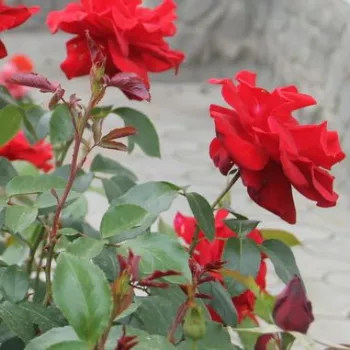
Bushy, erect shrub reaching about 80–105 cm in height and 45–65 cm spread, with dense, glossy dark green foliage and moderate prickliness along its flowering stems. |
| Flower morphology |
Medium-sized, double, solitary blooms with 26–39 petals on long stems; flowers are cup-shaped hybrid tea form, repeating well with a notably abundant second flush in season. |
| Colour data and phenology |
Dark red ARS RB; buds almost black-red, opening vivid ruby, deepening to burgundy and maroon tones with excellent colour retention and only slight lightening in strong sun. |
| Fragrance and aroma |
Fruity, mild fragrance of restrained strength; scented enough for close enjoyment near seating areas or when used as a cut flower, without dominating small outdoor spaces. |
| Hip characteristics |
Occasionally bears small, egg-shaped orange-red hips, around 10–14 mm across, adding a subtle decorative effect in late season where deadheading is left less frequent. |
| Resistance and winter hardiness |
Hardy to about −21 to −18 °C (RHS H7, USDA 6b); disease resistance moderate overall, with good black spot resistance and moderate susceptibility to mildew and rust. |
| Horticultural recommendations |
Best in full sun with reliable moisture; medium maintenance with some pest and disease monitoring, using 45–95 cm spacing depending on hedge, border, or specimen planting. |
CHÂTEAU D´AMBOISE offers rich dark red, repeat-flowering hybrid tea blooms, tidy bushy growth and the regenerative security of an own-root plant, making it a thoughtful long-term choice for a well-kept family garden.