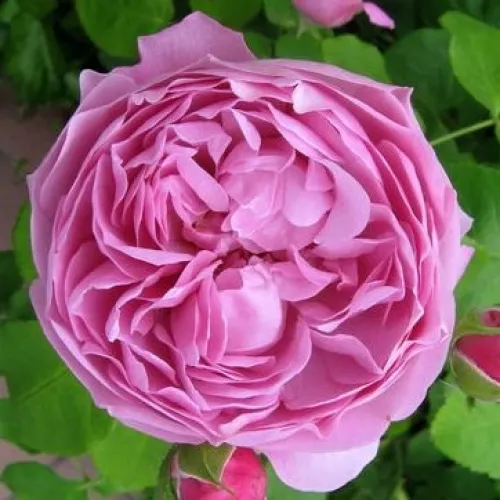
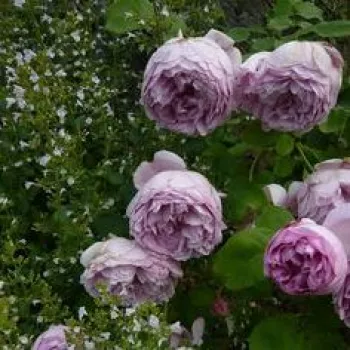
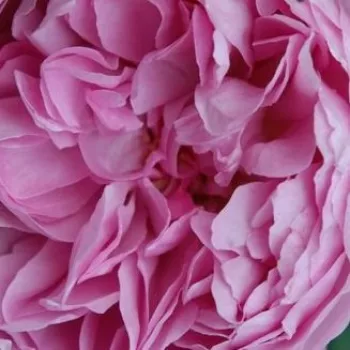
A soft, delicate pink tone with a lilac tinge that may deepen slightly depending on the weather. - english rose - strong, long-lasting scented rose - classic old-rose character, subtle almond undertone
– Romantic lilac‑pink rosettes, very double blooms
– Strong, long‑lasting old‑rose fragrance
– Reliable repeat flowering, abundant second flush
– Hardy shrub, RHS H7, USDA Zone 5b
– Tolerates partial shade for flexible planting
– Special feature: Environmentally conscious choice with good black spot resistance and premium gold cultivar rating.
Unfortunately, we are currently unable to ship to the United Kingdom; we only deliver to countries within the European Union. For more information, please contact us!
5(8254)
CHARLES RENNIE MACKINTOSH – lilac-pink English rose – Austin
This romantic English shrub rose brings a mood of heritage charm to the classic British front garden, combining reliable flowering with a strong, lingering fragrance in a soft lilac-pink palette that suits cottage-style borders and small beds beautifully. Its bushy, upright habit forms a dense, rounded shrub with dark green foliage, ideal as a feature near the house, edging a path or anchoring a mixed border in gardens where wind and rain can test less robust varieties by demanding good drainage and careful siting. Very double, rosette-shaped blooms appear repeatedly through the season, rewarding simple deadheading with new flushes, while its own-root longevity supports a stable, mature shrub you can enjoy for many years. Partial-shade tolerance makes it especially useful on east- or north-facing aspects, where many roses struggle, and moderate disease resistance with black spot strength supports easy-going care in typical UK conditions. As roots establish in the first year, shoots build in the second and by the third season full ornamental impact turns this premium gold English rose into a dependable focal point for busy gardeners.
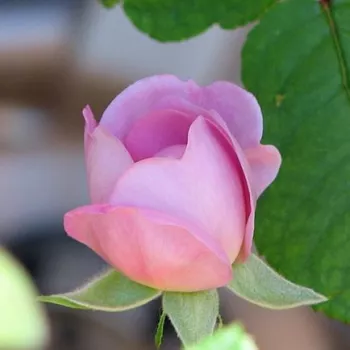
Charles Rennie Mackintosh showing lilac-pink blooms at different opening stages.
Usage options
Target area
Reasoning
Front-garden focal shrub near the house
The bushy, upright habit and dense foliage create a well-filled, rounded shrub that looks finished early on and improves each year. Its romantic English character suits entrances, bay windows and front paths where a tidy yet soft effect is needed for beginners.
Cottage-style mixed border in small family gardens
Repeated, remontant flowering in soft lilac-pink blends easily with perennials and informal planting, keeping colour in the border from early summer onwards. Consistent rebloom with simple deadheading gives reliable results with minimal planning for busy homeowners.
Fragrant seating-area or patio feature
The strong, classic old-rose scent with a subtle almond note makes this cultivar ideal beside benches, terraces or paths, where flowers can be appreciated at close range on warm evenings by fragrance-lovers.
Partially shaded side return or north-east aspect
Its proven tolerance of partial shade allows planting where morning or limited sun is available, such as side passages or between houses, still giving usable bloom and colour for urban gardeners.
Informal low hedge or path edging
The combination of medium height and good lateral spread, with planting distances around 55–65 cm, creates a soft, flowery line to edge paths or divide garden areas in a relaxed yet structured way for family gardens.
Feature rose in well-drained heavy-clay borders
On heavier soils it establishes into a deep-rooted, own-root shrub that copes well when planted into improved, free-draining beds, providing a long-lived structural rose where wet winters and sticky soil might deter other choices for clay-plot owners.
Large container on terrace or paved front garden
In a substantial container of at least 40–50 litres, its upright, bushy growth and repeat-flowering habit deliver a strong visual presence with easy watering access, making it suitable where ground planting is limited for courtyard spaces.
Specimen rose for long-term, low-change planting schemes
As an own-root shrub it matures steadily, with the crown renewing itself over time and recovering well from harder pruning, supporting long service life in borders that are not frequently redesigned and are intended to age gracefully for planner-gardeners.
Styling ideas
COTTAGE TRIO – Plant in a group of three with Gypsophila repens ‘Knuddel’ and soft blue perennials to echo its lilac-pink tones – ideal for lovers of romantic cottage borders.
SHADED SIDE – Use along a lightly shaded side path, underplanted with hardy geraniums, to bring soft colour where sun is limited – suitable for owners of narrow, urban side returns.
SCENTED SEAT – Position one or two plants by a bench, adding lavender and nepeta for layered fragrance and relaxed structure – perfect for those who unwind in a fragrant evening corner.
SOFT HEDGE – Create a low, informal hedge with regular spacing and simple deadheading, pairing with airy grasses for movement – a good option for families wanting gentle screening without hard lines.
PAVED COURTYARD – Grow in a 50‑litre container with trailing thyme or creeping baby’s-breath at the rim to soften edges – designed for balcony, terrace and front-drive gardeners short on soil.
Technical cultivar profile
Parameter
Data
Name and registration
Charles Rennie Mackintosh – English shrub rose from the English Rose Collection, commercial type english rose, registered as AUSren, ARS exhibition name Charles Rennie Mackintosh.
Origin and breeding
Bred by David C. H. Austin in the United Kingdom in 1988; parentage (Chaucer × Conrad Ferdinand Meyer) × Mary Rose; registered 1994 and introduced after 1994 by David Austin Roses Ltd.
Growth and structural characteristics
Bushy, upright shrub 100–150 cm tall and 70–110 cm wide, moderately thorny, with dense, slightly glossy dark green foliage; spent blooms persist and benefit from occasional deadheading.
Flower morphology
Very double, rosette-shaped medium blooms (about 1.5–2.75 in); typically borne solitary on the stems; over 40 petals give a classic, full English rose appearance throughout the season.
Colour data and phenology
Lilac-pink flowers, RHS 76D outer and 75C inner; colour opens mid lilac-pink then softens to pastel shades, holding better in cooler weather; remontant with a notably abundant second flush.
Fragrance and aroma
Strong, long-lasting perfume with a classic old-rose character and a subtle almond undertone; best appreciated near seating areas or paths where blooms can be enjoyed at close quarters.
Hip characteristics
Hip set usually slight due to very double flowers; where formed, hips are spherical, orange-red (RHS 43A), around 11–17 mm in diameter, providing modest late-season ornamental interest.
Resistance and winter hardiness
Hardy to about −26 to −23 °C (RHS H7, USDA 5b, Swedish zone 4); moderate overall disease resistance with good black spot resistance but some susceptibility to powdery mildew and rust.
Horticultural recommendations
Best in fertile, well-drained soil with regular watering in hot periods; suitable for beds, edging, parks, specimens and cutting; spacing 55–100 cm depending on use and planting density.
Charles Rennie Mackintosh offers repeat lilac-pink flowering, strong fragrance and a bushy shrub form that matures steadily on its own roots for long-term structure; a considered choice if you want an easy, characterful English rose.
Detailed product attributes
Product Identification Data
Product Name:
CHARLES RENNIE MACKINTOSH – lilac-pink English rose - Austin
Product Type:
pharmaROSA® ORIGINAL - 2-litre own-root potted rose
Flower Colour Description:
A soft, delicate pink tone with a lilac tinge that may deepen slightly depending on the weather.
Closed Bud:
Medium lilac-pink, slightly silvery, with a silky sheen.
Newly Opened Flower:
Pale lilac-pink petals with the inner surfaces a slightly richer shade.
Full Bloom:
Soft purplish-pink, the edges of the outer petals paler, almost pastel.
Before Fading:
The colour gradually fades to a pastel pink with a subtle lilac undertone.
Colour Fading Description:
Fades gradually as it opens, changing from mid-lilac pink to a soft and then pastel pink; it fades more in strong sunlight and retains its colour better in cooler conditions.
Hip Comment:
Hip formation is expected to be slight due to the double flowers; occasionally spherical orange‑red (RHS 43A) hips 11–17 mm in diameter may form.
Our product is a rose grown with pharmaROSA®’s unique cultivation technology!
2-litre, own-root, potted rose.
With a shoot system appropriate to the season.
With a root system that thoroughly permeates the growing medium.
Quality compliant with the requirements of the E.N.A. (European Nurserystock Association).
Supplied in unique packaging that prevents damage.
Can be planted during frost-free periods.
True-to-variety rose bush with a unique identifier.
The pharmaROSA® own-root potted rose is a well-rooted plant that supports reliable establishment when planted and cared for properly, so it can be planted whenever the soil is not frozen.
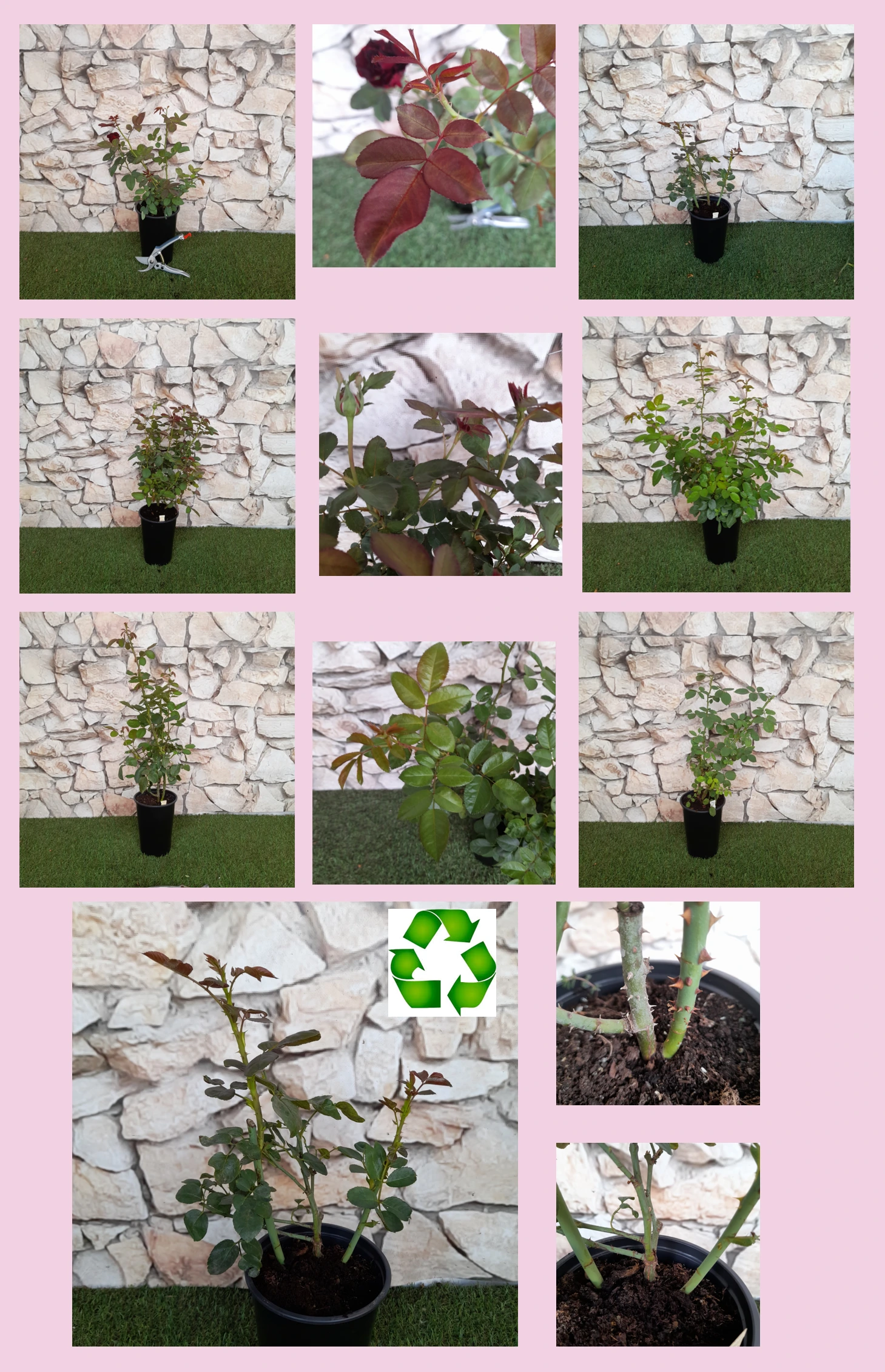
Crop overview: several varieties and growth stages in a short crop section.Shoot system: intensive growth of fresh basal shoots on a young plant.Root system: demonstration of a vigorous root system permeating the growing medium, by removing the pot.Balance: mature plant with root system and shoots in harmony with each other.
Information about the videos
The video series is not a “seasonal showcase”; it illustrates the essence of pharmaROSA® own-root cultivation in a tangible way: how the plant is built up, what the root system is like and how the shoot system regenerates. The recordings were therefore made at different times and with plants at various stages of development, so mixed foliage levels and differing stages of growth may appear in the videos. They are not a ‘sample’ of the batch dispatched, but a visual explanation of how the technology works. The current condition of the rose available to order — typical for the given period and similar to what you can expect to receive in the parcel — is shown in the upper part of the product page.
Pages for private customers Garden roses for the family garden, with minimal care → ORIGINAL® Premium garden roses – instant impact, a truly showpiece garden → EXTRA® Pages for professionals and private customers Roses for public spaces – large areas, sustainable maintenance → NATURAL® Roses for projects – hedge and row planting, fast implementation → RAPID® For professional partners only Production – propagation material for garden roses, wholesale → NEONATAL®
Company details
PharmaRosa Ltd. Company registration number: 01-09-717479 VAT number: 13075314-2-43 Plant health registration no.: HU130721 Bank account (IBAN): HU85117631891388688400000000 BIC (SWIFT): OTPVHUHB Bank name: OTP Bank Nyrt.