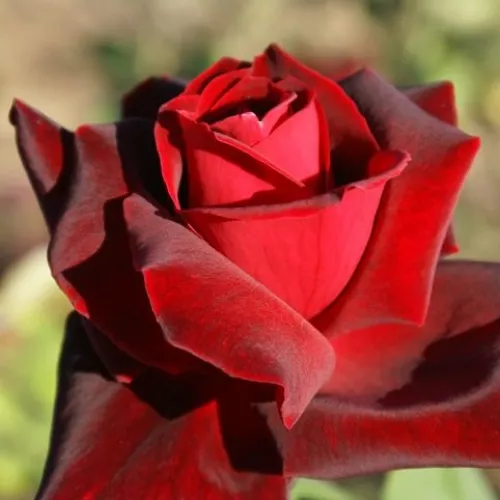
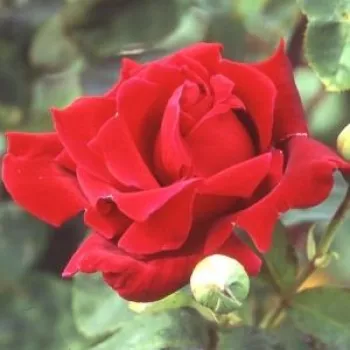
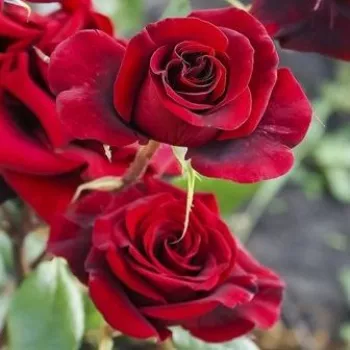
CHARLES MALLERIN – deep red hybrid tea rose – Meilland & Meilland
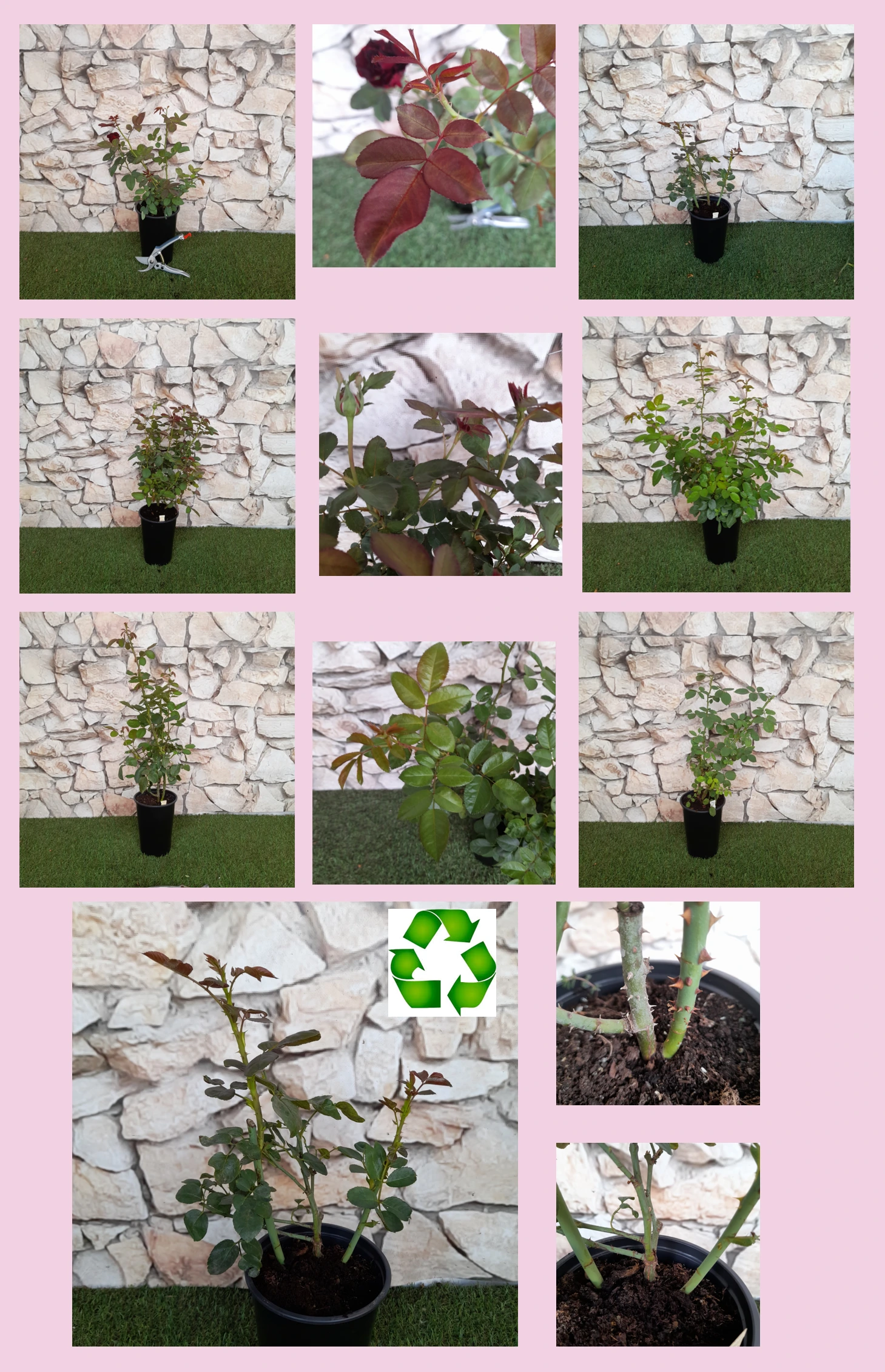
This classic deep-red hybrid tea brings elegance and a reassuringly simple planting experience to the typical British front or family garden. Large, velvety blooms on a bushy, upright plant give reliable impact in beds, borders and as a cut-flower rose, while its very strong, spicy-citrus fragrance lends a traditional, romantic atmosphere around paths and seating areas. Bred for good disease resistance, it copes well with wetter, more humid seasons, while careful planting helps it manage heavier soils and improves stability in wind-affected sites near the coast. As an own-root rose, the shrub develops a durable framework and can regenerate well after pruning or weather damage, supporting a long, dependable garden life. With dense, dark foliage that sets off the deep-red blooms to dramatic effect, it suits both beginners and enthusiasts who want a rose that simply “works”. Given a little patience as it settles, you will see roots in the first year, stronger shoots in the second, and full ornamental abundance from the third year onwards.
Usage options
| Target area | Reasoning |
|---|
| Front garden focal point |
The large, velvety, deep-red blooms stand out clearly against dark green foliage, creating a strong focal point beside a front path or doorway. Its classic hybrid tea form offers tidy lines that suit traditional, formal approaches prized by beginners. |
| Cut-flower and vase use |
Long, straight stems with solitary, cup-shaped flowers are ideal for cutting, giving impressive, exhibition-style roses for indoor displays. Regular cutting encourages new flowering shoots, making it a rewarding choice for homeowners. |
| Fragrant seating-area border |
The very strong, spicy-citrus scent is noticeable from a distance, so positioning near benches, patios or evening seating maximises enjoyment. A few plants can perfume the whole spot, delighting visiting garden-lovers. |
| Small specimen in mixed cottage bed |
Its bushy, upright habit and dense foliage help it hold its own among perennials and cottage-style companions, while the deep red combines beautifully with soft blues and whites. This suits style-conscious but time-limited urbanites. |
| Low-maintenance family flower bed |
Good resistance to powdery mildew, black spot and rust reduces the need for frequent spraying, supporting a simple care routine focused on watering, feeding and occasional deadheading. This reassures busy families. |
| Long-term structural rose feature |
Own-root growth provides a stable shrub that ages well, without the risk of suckers overtaking the plant, and it responds reliably to renewal pruning over many seasons. This appeals to long-view, investment-minded gardeners. |
| Small group planting in front border |
Planting 3–5 bushes at the recommended spacing creates a dense, coherent line of colour that reads as one strong block from the street, while improved drainage helps it handle heavier soils and breezier conditions in coastal-facing gardens. |
| Large container on patio or terrace |
In a 40–50 litre or larger container, its compact height and upright habit give vertical interest without overwhelming the space; the pot also allows precise control of soil and watering, helping those with paved plots or balconies feel like successful beginners. |
Styling ideas
- Classic entrance – Plant a single bush by the front step with low evergreen edging for a formal welcome – ideal for homeowners who want instant, traditional kerb appeal.
- Cottage trio – Group three plants with airy Gypsophila and soft blue perennials for a romantic, cloud-like effect – perfect for lovers of informal cottage style.
- Evening perfume – Position near a bench or terrace, with pale flowers and silvery foliage to reflect dusk light – suited to those who unwind outdoors after work.
- Cutting corner – Dedicate a small bed to this rose with easy fillers, so regular cutting supplies vases indoors – attractive for practical gardeners who enjoy homegrown bouquets.
- Patio statement – Grow one plant in a 50-litre container with trailing groundcovers cascading over the rim – great for small-space gardeners making the most of a terrace.
Technical cultivar profile
| Parameter | Data |
|---|
| Name and registration |
Hybrid tea rose; registered cultivar name MEItroni, marketed as Charles Mallerin. Hybrid tea garden and exhibition type rose with verified cultivar authenticity and premium silver quality rating. |
| Origin and breeding |
Bred in France in 1947 by Francis and Alain Meilland from complex hybrid tea parentage; introduced internationally by Meilland International and partners from 1947, with later French introduction in 2006. |
| Awards and recognition |
Holds ADR Germany 2008 and All-America Rose Selections 2013 titles, plus Biltmore, Portland and multiple European awards, confirming ornamental value, garden performance and notable fragrance quality. |
| Growth and structural characteristics |
Bushy, upright shrub reaching about 85–115 cm high and 70–95 cm wide, with dense, slightly glossy dark green foliage and moderate prickliness; best effect from careful spacing in beds and borders. |
| Flower morphology |
Large, double, cup-shaped blooms with 26–39 petals and a pronounced central rise, typically borne singly on stems; reliably remontant with a strong second flush under standard garden care. |
| Colour data and phenology |
Deep, velvety dark red blooms (RHS 60A–60B) from bud to full flower, tending to burgundy-black tones; colour remains richest in cooler weather and may gently fade in strong sun or heat. |
| Fragrance and aroma |
Very strong, distance-carrying perfume combining rich classic rose with spicy and nostalgic citrus nuances; primarily ornamental, with fully double flowers offering limited nectar and pollen access. |
| Hip characteristics |
Rose hip set is generally sparse due to the full double form; where present, hips are small, spherical, orange-red, around 10–14 mm in diameter and of mainly ornamental autumn interest. |
| Resistance and winter hardiness |
Shows good resistance to powdery mildew, black spot and rust under garden conditions; hardy to approximately −21 to −18 °C (RHS H7), with moderate tolerance of summer heat and drought. |
| Horticultural recommendations |
Performs best in full sun with regular watering and feeding; recommended spacing 50–90 cm depending on use, with 3–4 plants per m² for mass effect and routine deadheading to maintain flowering. |
CHARLES MALLERIN offers velvety deep-red blooms, powerful fragrance and reliable disease resistance on a long-lived own-root shrub; a thoughtful choice if you prefer a rose that quietly earns its place.