LA VILLE DE BRUXELLES – pink historic Damask rose - Vibert
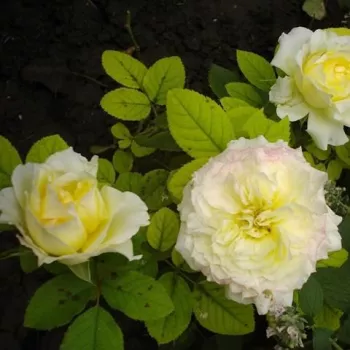
If you love classic garden romance but prefer easy roses, LA VILLE DE BRUXELLES offers traditional charm with practical reliability. This Damask shrub forms a naturally upright, dense bush with good self-cleaning flowers, keeping borders orderly with minimal deadheading. Its once-a-year midsummer display of very double, cupped blooms is richly fragrant, filling the garden with a classic old-rose perfume. Well established on its own roots, it settles deeply and is reassuringly hardy in British winters, coping well even where winds and rain demand solid anchoring and structure. Medium maintenance needs and good heat tolerance make it suitable for busy gardeners who can offer basic watering in prolonged dry spells. In ordinary family gardens it will gradually build its framework in a natural arc – first rooting in, then extending its shoots, before showing full ornamental presence by about the third year – giving you a stable, long-lived rose that sits harmoniously in both cottage-style front gardens and relaxed mixed borders.
Usage options
| Target area |
Reasoning |
| Front garden specimen shrub |
Planted as a single feature by the front path or near the door, this upright, medium–tall shrub creates a traditional welcome with one impressive flush of mid-pink, very double flowers and powerful fragrance; ideal for visually oriented, time-poor beginners. |
| Small rose or mixed border |
Its dense foliage and self-cleaning blooms help the border stay tidy without constant deadheading, while the once-flowering habit allows you to underplant with perennials that carry colour later; well suited to design-conscious cottage-garden owners. |
| Informal flowering hedge |
At around 120–180 cm high and up to 160 cm wide, it can be spaced to form a loose, flowering screen that offers seasonal privacy and structure, then recedes into a discreet green backdrop; a good solution for relaxed family-garden households. |
| Classic cottage-style grouping (3–5 plants) |
Grouped in threes or fives, the bushy habit and uniform mid-pink colour produce a coherent mass of bloom that reads beautifully from the street, evoking traditional village gardens; perfect for lovers of romantic cottage-style gardens. |
| Part-shade side garden or boundary |
Tolerating partial shade, this variety still flowers well with a few hours of sun, making it practical for side passages or north-east aspects where many roses struggle; reassuring for small-plot urban gardeners. |
| Large patio container (40–60 litres) |
In a substantial 40–60 litre pot with good drainage, its upright form and limited spread are easy to manage, giving balcony or courtyard spaces a single, strongly scented summer event; ideal for space-conscious city residents. |
| Low-input family garden feature |
Moderate disease resistance and good heat and drought tolerance mean that, with simple watering during extended dry spells, it performs reliably without specialist care, even in exposed, weather-beaten spots; helpful for busy working families. |
| Long-term heritage rose collection |
As a historic Damask on its own roots, it builds a durable framework, can regenerate from the base if cut back hard, and offers decades of use once established, giving confidence where long lifespan matters to committed plant-collecting enthusiasts. |
Styling ideas
- COTTAGE HEDGE – line several plants along a front boundary, underplanting with catmint and hardy geraniums for a soft, billowing hedge – for lovers of informal cottage charm.
- SCENTED FOCUS – place one shrub near a seating area with lavender and rosemary, letting the strong fragrance dominate in early summer – for fragrance-first garden owners.
- STRUCTURED BORDER – use as mid-back structure behind low perennials like Stachys byzantina and dwarf grasses to keep borders orderly – for tidy, easy-care borders.
- HERITAGE CORNER – combine with other historic roses and traditional perennials such as delphiniums and foxgloves to create a period-style feature – for history-minded rose enthusiasts.
- CONTAINER COURTYARD – grow in a large terracotta pot with trailing thyme and sedum at the base to soften the rim – for compact patios and urban courtyards.
Technical cultivar profile
| Characteristic |
Data |
| Name and registration |
La Ville de Bruxelles is a historic Damask shrub rose from the Heritage rose collection, used under an unregistered cultivar name and verified here under the pharmaROSA product designation. |
| Origin and breeding |
Bred by Jean-Pierre Vibert in France around 1837, introduced in 1849; parentage is unknown, but it belongs to the Damask group and represents a classic nineteenth-century heritage garden rose. |
| Awards and recognition |
Recognised with the Royal Horticultural Society Award of Garden Merit, indicating reliable garden performance, stable character and dependable ornamental value under typical British growing conditions. |
| Growth and structural characteristics |
Forms an upright, medium–tall shrub about 120–180 cm high and 100–160 cm wide, with dense, slightly glossy light green foliage and moderate prickliness, suitable for borders, specimens and informal hedging. |
| Flower morphology |
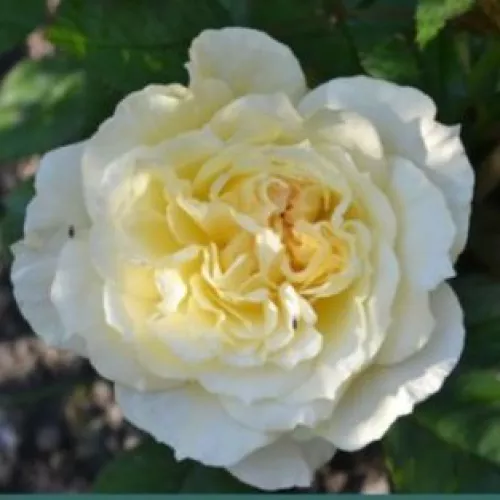
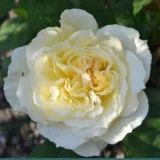
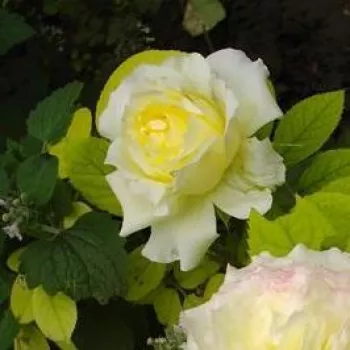
Bears medium-sized, cupped, very double blooms with more than 40 petals, produced in clusters during a single main summer flush; the self-cleaning habit allows many spent flowers to drop unaided. |
| Colour data and phenology |
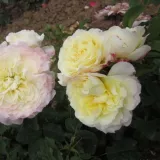
Flowers open a vivid mid-pink with paler outer petal edges, then lighten towards pale pink with a subtle silvery cast; ARS code MP, RHS 65B/65C; a once-flowering cultivar with a concentrated seasonal display. |
| Fragrance and aroma |
Exudes a very strong, classic rose fragrance typical of Damask heritage types, capable of filling the surrounding garden area in still weather and providing highly scented cut stems for indoor enjoyment. |
| Hip characteristics |
Due to very double blooms, hip set is limited; when present, hips are ellipsoidal, orange-red, around 10–16 mm in diameter, offering modest late-season ornamental interest rather than heavy crop display. |
| Resistance and winter hardiness |
Hardy to approximately –34 to –32 °C (RHS H7, USDA 4a, Swedish zone 5); tolerates heat and moderate drought, with moderate resistance to black spot, powdery mildew and rust under normal garden care. |
| Horticultural recommendations |
Suited to beds, borders, specimens, hedging, large containers and cutting; plant 100–165 cm apart depending on use, provide watering in prolonged drought and basic plant protection where disease pressure is high. |
LA VILLE DE BRUXELLES offers upright structure, powerful fragrance and long-lived own-root reliability, making it an excellent choice if you value classic beauty with straightforward care in a family garden.