CHANDON ROSIER – red hybrid tea rose - Delbard
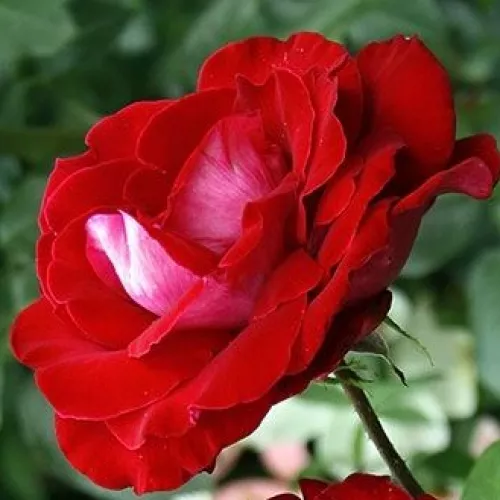
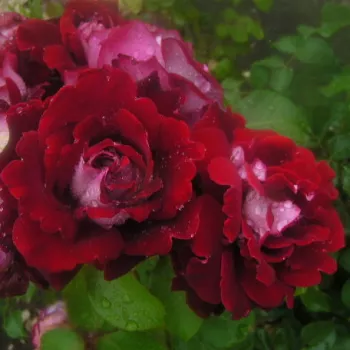
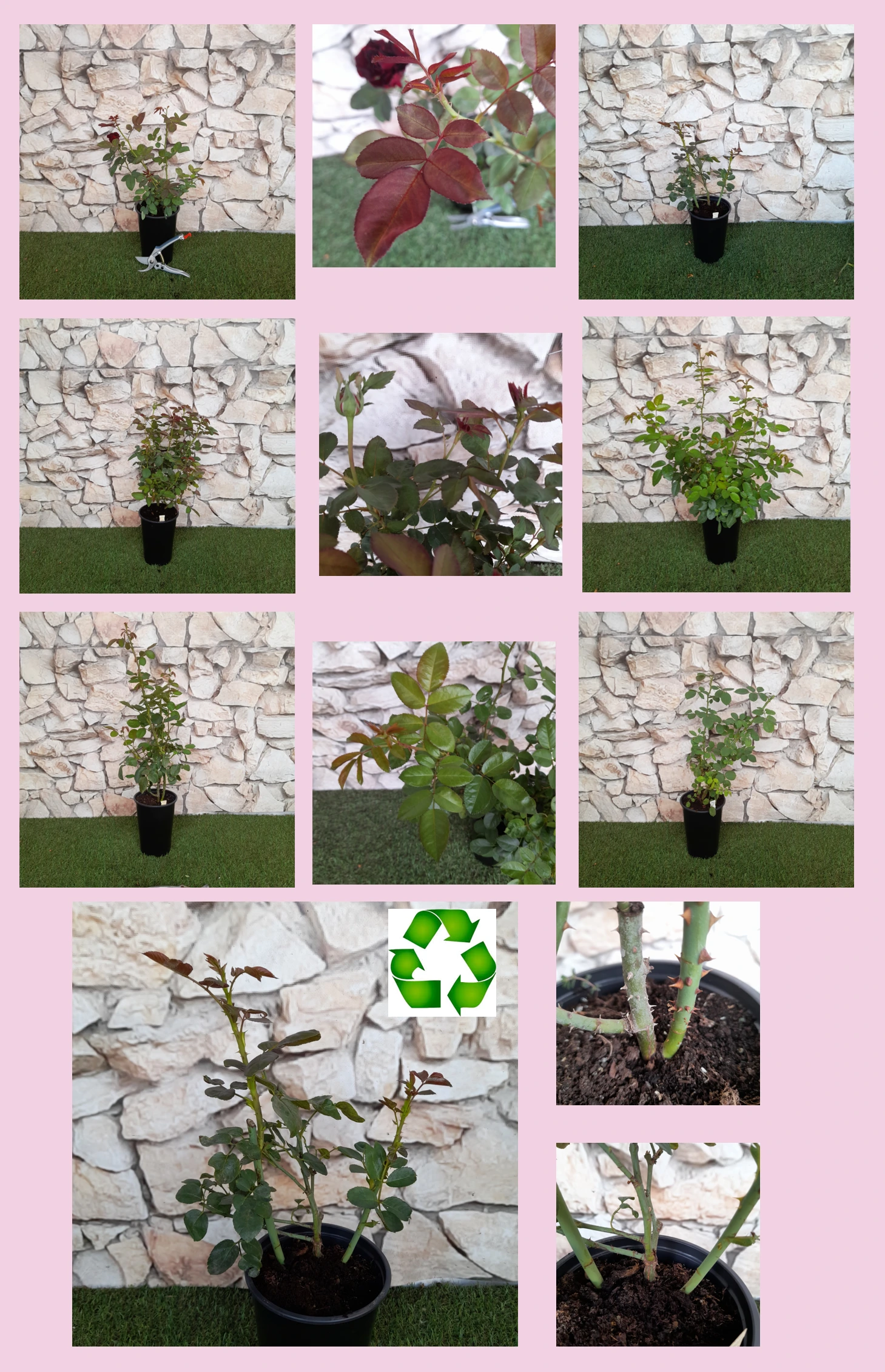
Velvety red blooms, a classic high‑centred shape and reliable remontant flowering make ‘Chandon Rosier’ an impressive hybrid tea for the front garden or a sunny border. Medium‑strong, spicy‑fruity fragrance and dense, dark foliage give it a refined, cut‑flower look outdoors, while its upright habit suits narrow beds and paths. Own‑root planting supports long‑term stability and recovery, gradually forming a balanced bush that settles well even in changeable British summers with wind and rain off the coast. In a 40–50 litre pot or small bed it offers dependable, moderate‑care maintenance, with year one focused on roots, year two on stronger shoots, and year three delivering its full ornamental impact.
Usage options
| Target area | Reasoning |
|---|
| Front‑garden focal point |
The upright hybrid tea form, with high‑centred ruby‑red blooms, creates a smart, traditional focal point beside paths or doorways without demanding a large bed. Moderate care and clear structure suit those wanting order with manageable effort, especially beginners. |
| Cut‑flower and exhibition corner |
Bred as an exhibition hybrid tea, it produces long, straight stems with pointed buds and double flowers perfect for indoor vases and show cutting. Regular dead‑heading and feeding reward you with repeat flushes, ideal for flower‑lovers. |
| Small rose bed in family gardens |
At around 100–140 cm high and 50–70 cm wide, it fits comfortably into compact beds, with recommended spacing making layout simple. The dense foliage and repeat blooms give colour through the season for low‑complexity, tidy planting appreciated by homeowners. |
| Mixed cottage‑style border |
The deep, velvety red and silvery petal reverses pair beautifully with perennials and grasses, echoing classic cottage borders while remaining structurally upright. Own‑root growth lets it knit gradually into mixed plantings, suiting relaxed yet coordinated gardeners. |
| Large patio container (40–50 litres) |
In a generously sized pot with good drainage, its moderate height, glossy foliage and repeat flowers create a refined patio accent. Regular watering and feeding are straightforward tasks, so you gain high visual return with simple routines valued by urban‑dwellers. |
| Feature plant in formal layouts |
The regular, upright habit and solitary, high‑centred blooms lend themselves to symmetrical designs and structured beds. Own‑root resilience allows steady regeneration after pruning, supporting long‑term formality without constant replacement, suited to patient planners. |
| Season‑long colour with simple pruning |
Remontant flowering brings an abundant second flush if you remove spent blooms and give light annual pruning, rather than complex shaping. This straightforward regime maintains both bloom and structure, ideal for time‑pressed families. |
| Wind‑exposed or coastal gardens |
The dense foliage and firm stems help the blooms cope with gusty, unsettled weather while own‑root anchoring supports stability in breezier, rain‑washed sites. With decent soil preparation and feeding it performs reliably for practical, resilience‑minded garden‑owners. |
Styling ideas
- Doorstep elegance – Plant one or three bushes by the front path, under‑planted with low blue sedge for contrast – ideal for house‑proud owners wanting a smart, classic entrance.
- Cottage ribbon – Thread a short row through a cottage border with Monarda and salvias for a red‑and‑blue tapestry – for those who like romantic, slightly informal structure.
- Patio showcase – Grow in a 40–50 litre terracotta pot with trailing thyme around the rim – perfect for balcony or courtyard gardeners seeking maximum effect in limited space.
- Formal accent – Use evenly spaced specimens along a straight path or hedge, mulch with gravel for a clean outline – suited to admirers of orderly, low‑clutter planting.
- Cutting corner – Dedicate a small bed purely to this rose for steady vase material – for enthusiasts who enjoy bringing fragrant garden flowers indoors often.
Technical cultivar profile
| Property | Data |
|---|
| Name and registration |
Hybrid tea rose, registered as DELatur; sold as Chandon Rosier (Grands Coloris). ARS exhibition name Alleluia®, hybrid tea group with classic cut‑flower form. |
| Origin and breeding |
Bred by Georges Delbard, France, from complex hybrid tea parentage including Impeccable, Papa Meilland, Gloire de Rome and Corrida; introduced internationally from 1982. |
| Awards and recognition |
Recognised with a Certificat de Mérite at Bagatelle, Paris (1980) and later major show honours including King of Show at Kansas City Rose Society in 2001. |
| Growth and structural characteristics |
Moderately thorny, upright bush to around 100–140 cm high and 50–70 cm wide, with dense, dark green, glossy foliage providing a strong backdrop for the red blooms. |
| Flower morphology |
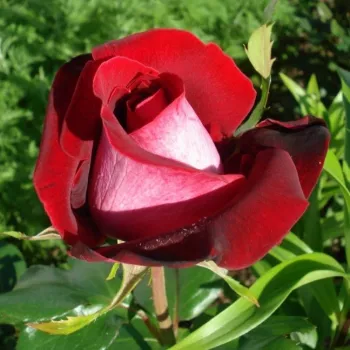
Medium, double blooms with 26–39 petals, solitary on stems, high‑centred and pointed in bud; repeat flowering with an especially generous second flush in good conditions. |
| Colour data and phenology |
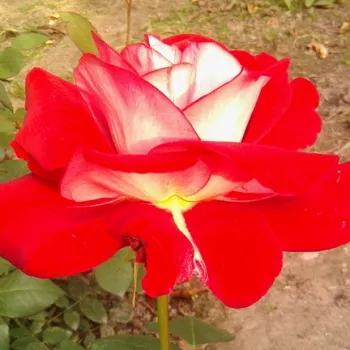
Petals deep velvety red (RHS 53A) above, silvery‑pink beneath; colour lightens slightly in strong sun yet keeps a rich ruby to burgundy impression with attractive sheen. |
| Fragrance and aroma |
Clearly perceptible, medium‑strength scent combining spicy and fruity notes; suited to those who value fragrance around seating areas or for pleasantly scented indoor bouquets. |
| Hip characteristics |
Sets relatively few hips due to double blooms; where formed, small spherical orange‑red hips about 10–14 mm add subtle seasonal interest late in the year. |
| Resistance and winter hardiness |
Rated H6; generally hardy in most UK gardens with shelter from extremes. Disease resistance moderate to black spot, mildew and rust; responds well to standard care. |
| Horticultural recommendations |
Best in a sunny position with fertile, well‑drained soil, regular watering in dry spells and balanced feeding; benefits from dead‑heading and light annual pruning for repeat bloom. |
Chandon Rosier combines velvety red, fragrant blooms with repeat flowering and a well‑structured own‑root bush, offering long‑term beauty for your garden when you are ready to plant with confidence.