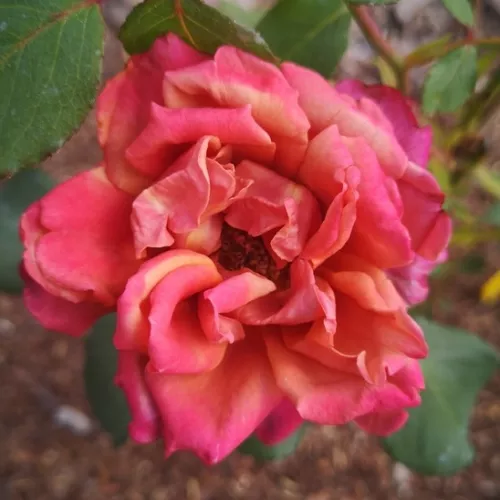
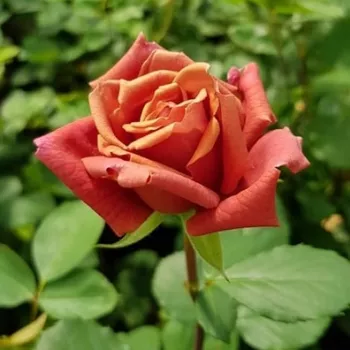
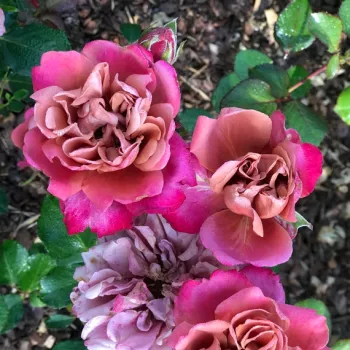
CHA-CHA – mauve-brown hybrid tea rose – Teranishi
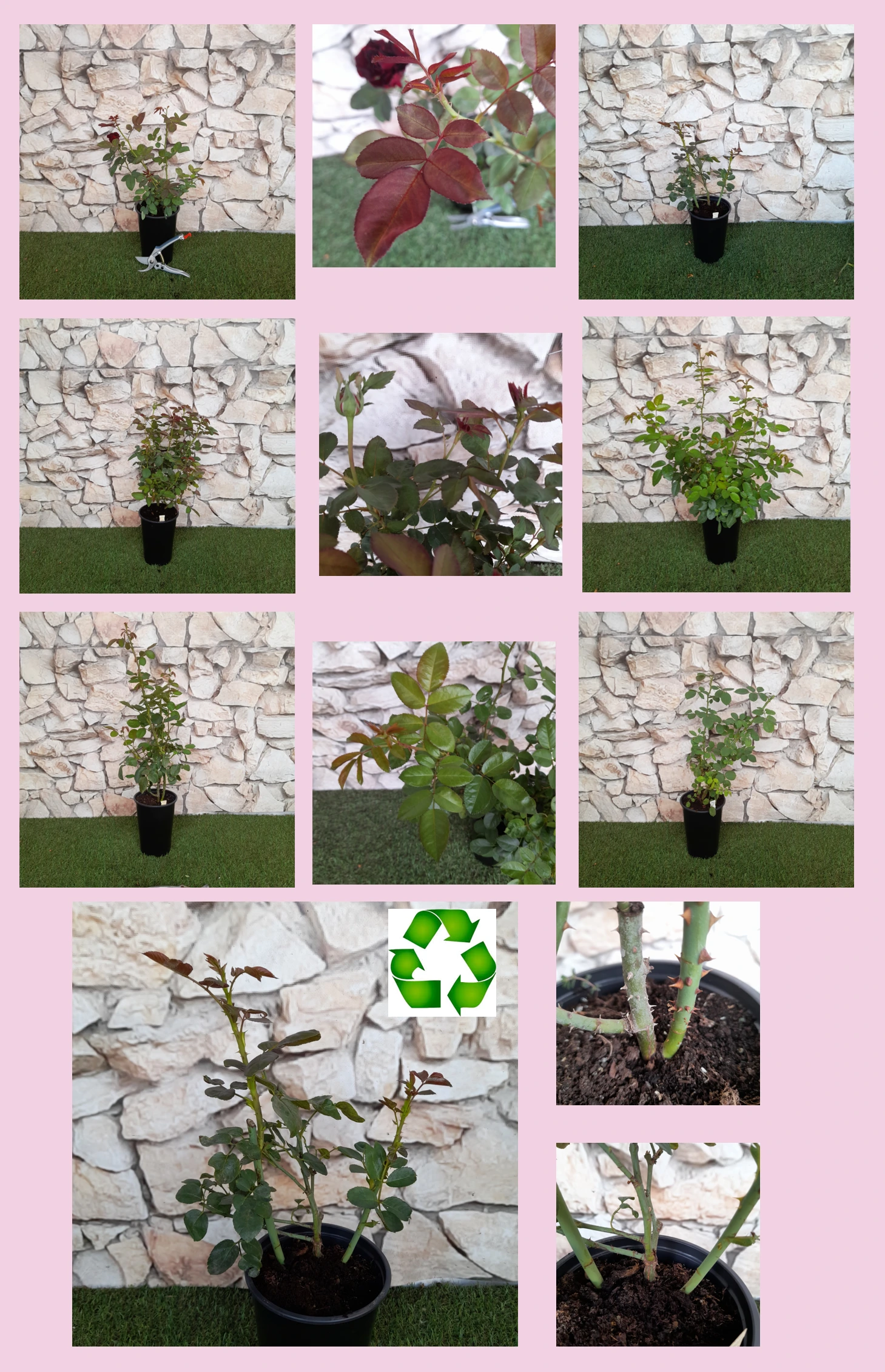
This distinctive hybrid tea rose brings character and quiet elegance to front gardens and small borders, with its unusual greyish-mauve and coffee-brown blooms that soften beautifully as they age. In a typical British family garden it offers upright, structured growth that is easy to position, and medium maintenance that suits hobby gardeners willing to give an occasional feed and light trim. Own-root cultivation supports longevity, helping the bush recover and rebuild if cut back or affected by weather, so it remains a stable feature for years. Its moderate disease tolerance is well suited to gardens where you prefer simple care rather than constant spraying, provided you follow basic hygiene and spacing. In heavier soils it performs best with improved drainage, giving you a reliable, well-anchored rose even in wetter seasons and breezier sites typical of British homes near the coast. The naturally remontant habit means you can expect a good flush, then an abundant second flowering with discreet, refined fragrance. Over time, year by year, the own-root system helps it adapt and knit into your planting, supporting ongoing balance, bush health and a consistently tidy appearance without complicated pruning routines.
Usage options
| Target area | Reasoning |
|---|
| Feature rose in a small front garden bed |
The unusual mauve-brown colouring stands out against brickwork and gravel, creating a focal point without overwhelming a compact front garden. Its medium height and upright habit keep the bed tidy and proportional for paths and drives, ideal for house-proud beginners and busy homeowners. |
| Classic mixed border with perennials and grasses |
Clustered, cup-shaped flowers and moderately dense foliage integrate well with airy grasses and cottage-style perennials, lending an elegant, structured accent amid softer textures. The remontant flowering adds recurring interest through the season for design-conscious, detail-loving gardeners. |
| Small group planting of 3–5 bushes |
Planting several together at the recommended spacing creates a coherent, mid-height block of colour, allowing the subtle smoky tones to read clearly from the house or terrace. Own-root plants develop into an even stand over time, suiting those seeking a calm, harmonious display. |
| Solitary specimen near seating or terrace |
As a single specimen, its refined flower form and discreet scent reward closer viewing from a bench or patio chair. The moderate fragrance and neat, upright framework offer interest without dominating the space, perfect for compact relaxation areas used by families. |
| Narrow side border or path edging |
The upright habit and 70–100 cm spread fit well beside paths or along driveways where space is limited. With modest maintenance and occasional plant protection, it retains a smart outline, suiting owners who want order along access routes but prefer straightforward care. |
| Paired planting to frame an entrance |
Two matching bushes on either side of a gate or front step give a formal yet understated welcome, with the sophisticated colour palette complementing both traditional and contemporary door colours. The plant’s long-term stability on its own roots appeals to those planning lasting plantings. |
| Rose bed in heavy or clay-influenced soil |
In British gardens with heavier clay, improved drainage or a slightly raised bed lets the upright framework and moderate disease resistance perform reliably, even through wet, windy spells common near exposed sites, reassuring cautious but style-focused beginners. |
| Large patio container or terrace planter |
In a 40–50 litre container, the plant’s height and controlled spread create a vertical accent without becoming leggy, while own-root growth underpins long-term regeneration if pruned back harder in later years, ideal for urban balcony and courtyard gardeners. |
Styling ideas
- Cottage Contrast – combine CHA-CHA with soft pink or cream shrub roses and low yarrow for a gentle, nostalgic border where its smoky tones add depth – for cottage-garden enthusiasts.
- Grass Ribbon – weave between Stipa tenuissima and switchgrass in a sunny strip to highlight the upright shape and unusual colour against movement and light – for owners of narrow front gardens.
- Entrance Focus – plant a pair by the front path with lavender and catmint edging so the refined blooms and fragrance greet visitors – for homeowners who value a welcoming approach.
- Patio Statement – use one plant in a 50 litre clay pot with trailing thyme and seasonal bedding for a smart, low-fuss focal point – for busy urban gardeners with limited space.
- Monochrome Mood – set CHA-CHA among dusky purples, burgundies and bronzes (heuchera, salvia, dark tulips) to create a sophisticated, moody palette – for design-led, experiment-friendly gardeners.
Technical cultivar profile
| Parameter | Data |
|---|
| Name and registration |
Hybrid tea rose marketed as CHA-CHA – mauve-brown hybrid tea rose – Teranishi; exhibition-type hybrid tea suitable for garden use as a cut-flower-capable bush. |
| Origin and breeding |
Bred by Kikuo Teranishi in Japan, introduced in 2008; detailed parentage and registration data are not available, but it follows classic hybrid tea breeding lines. |
| Growth and structural characteristics |
Upright bush reaching about 120–160 cm in height with a 70–100 cm spread; moderately dense, mid-green foliage and moderate thorniness, forming a clearly vertical garden presence. |
| Flower morphology |
Medium-sized, double, cup-shaped blooms with 26–30 petals, borne in clusters; remontant, with a good main flush followed by particularly abundant secondary flowering in suitable conditions. |
| Colour data and phenology |
Greyish-mauve and coffee-brown tones, ARS r; RHS 187A outer, 15B inner; colours fade to sandy beige-grey mauve with dull ochre-yellow-beige inner zones as the blooms mature. |
| Fragrance and aroma |
Delicate, mild fragrance with an elegant character; discreetly scented rather than overpowering, adding close-up interest without dominating small seating areas or densely planted borders. |
| Hip characteristics |
Rose hips form only slightly, typically 8–12 mm long, ovoid and orange-red (RHS 40A); hips are mainly ornamental and not a defining feature of the cultivar’s garden performance. |
| Resistance and winter hardiness |
Moderate resistance to powdery mildew, black spot and rust; hardy to approximately −21 to −18 °C (RHS H7, Swedish Zone 3, USDA 6b) with normal winter protection where necessary. |
| Horticultural recommendations |
Recommended spacing 55 cm for groups, 50 cm for hedging and 90 cm for solitary planting; medium maintenance with occasional plant protection and regular feeding for best flowering. |
CHA-CHA offers distinctive mauve-brown blooms, an upright, space-efficient habit and dependable own-root longevity, making it a thoughtful choice for gardeners seeking a refined yet manageable rose.