Hybrid tea rose

02-014-1
02-014-2

Casanova

Hybrid tea rose

- – Samuel Darragh McGredy IV

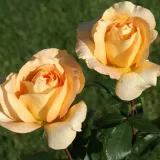
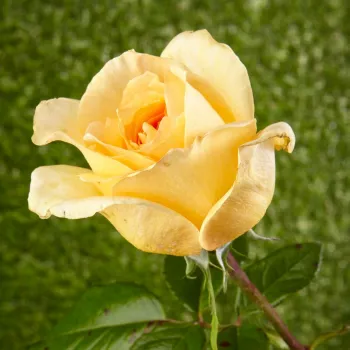
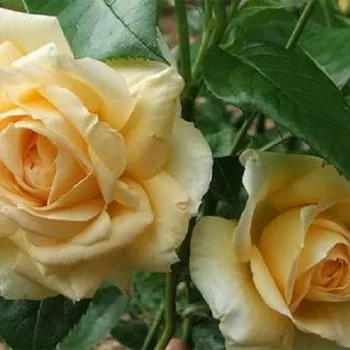
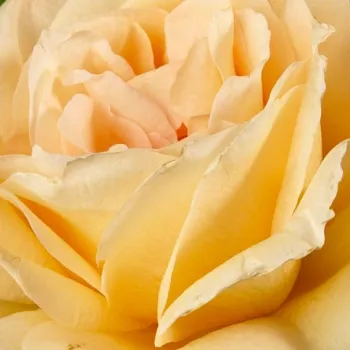
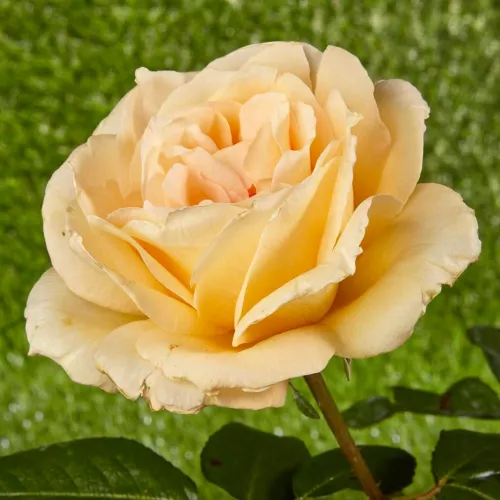
The petal base is straw yellow and lightens to cream yellow towards the outer edges. - hybrid tea rose - medium strength, clearly scented rose - sweet character

– Elegant pale-yellow Hybrid Tea blooms.
– Abundant repeat flowering from summer on.
– Strong, upright growth for striking specimens.
– Medium, sweet fragrance with classic charm.
– Excellent resistance to major rose diseases.
Special feature: Awarded Geneva Certificate of Merit (1963), a historic classic by Samuel Darragh McGredy IV.
Tranquil garden experience – Climate-conscious choice
Casanova
pharmaROSA® ORIGINAL 2-litre own-root potted rose
21,00 £
Unfortunately, we are currently unable to ship to the United Kingdom; we only deliver to countries within the European Union. For more information, please contact us!
5 (8444)
facebook   twitter

CASANOVA – pale yellow hybrid tea rose - McGredy

With its elegantly formed blooms and upright, compact habit, CASANOVA is an easy-going hybrid tea rose that suits today’s busy household garden. Large, high-centred flowers in a refined pale yellow colour open repeatedly through the season, offering reliable flushes for cutting and for the border. Bred for robust health, it shows good resistance to common rose diseases, making routine care more straightforward in typical British conditions, even where summer humidity meets cool, damp spells and challenging weather. Light yet clearly sweet fragrance adds an extra layer of enjoyment near paths and seating areas, while the sparsely thorned stems make deadheading and cutting for the vase more comfortable. As an own-root plant, it builds a durable, balanced bush over time, supporting a long ornamental lifespan. In a family garden this allows you to enjoy a calm, ordered display without constant intervention, as the plant settles in and becomes part of the overall structure of the plot.


Usage options

Target areaReasoning
Front garden focal point The upright, medium-height bush creates a clear vertical accent that suits a small front garden, giving structure without overwhelming the space. Planted near the path or gate, its tidy outline and classic hybrid tea form provide a composed, welcoming look for beginners.
Small mixed border in family gardens Casanova’s pale yellow blooms mix easily with soft blues, lavenders and white perennials, helping you build a harmonious, cottage-style border with minimal planning. Medium-density foliage and controlled spread keep the planting readable and easy to maintain for busy-owners.
Cutting corner or cut-flower row High-centred, solitary blooms on long, straight stems are ideal for vases and simple home arrangements. Regular cutting naturally encourages further flowering, so one or two bushes can supply seasonal stems without the need for a specialist cutting garden for home-makers.
Low-maintenance specimen near seating Good disease resistance means foliage generally stays clean, reducing the need for spraying or complex care near patios and seating areas. The medium, sweet fragrance can be appreciated at close quarters, creating a gentle sense of occasion for relaxation-seekers.
Small group planting in lawn bays Planting 3–5 bushes together at the recommended spacing produces a coherent, rounded stand with repeating colour and form. Own-root plants knit into the soil and garden design over the years, maintaining a stable, balanced look for long-term-planners.
Informal hedge or boundary line Set at hedge spacing, the upright growth joins to form a loose, flowered line that marks paths or drive edges without creating a heavy visual barrier. Light green foliage and pale yellow flowers ensure the hedge remains soft and welcoming for family-gardens.
Roses in larger containers Where borders are limited or soil is heavy, a single plant in a 40–50 litre pot on a terrace or balcony offers the same flower quality with controlled root space. Good disease resistance simplifies care in confined settings for urban-gardeners.
Climate-conscious cottage-style beds Reliable disease resistance and moderate vigour make this rose a sensible choice where you wish to limit chemical inputs and keep maintenance light, even in areas that see cool, damp spells and gusty, changeable conditions for eco-minded-owners.

Styling ideas

  • Classic-front-border – Combine Casanova with lavender, catmint and low box for a calm, pale-yellow and blue frontage – ideal for homeowners seeking a traditional, ordered look.
  • Cottage-mix – Weave among delphiniums, foxgloves and hardy geraniums, letting the pale blooms rest against looser shapes – suited to those favouring relaxed cottage charm with simple upkeep.
  • Cutting-corner – Plant 3 bushes in a sunny corner with easy access for snipping stems for the house – perfect for flower lovers wanting regular indoor arrangements without a large cutting plot.
  • Paved-patio-hero – Grow one plant in a 40–50 litre terracotta pot with creeping thyme at the base – for small-garden owners who want a single, elegant feature near seating.
  • Soft-hedge-line – Line a drive or garden path with evenly spaced plants and underplant with low groundcover – a choice for families needing a gentle boundary that still feels open and welcoming.

Technical cultivar profile
ParameterData
Name and registration Hybrid tea rose marketed as Casanova Hybrid tea rose McGredy; exhibition-name Casanova; unregistered variety, verified for authenticity for pharmaROSA ORIGINAL own-root production.
Origin and breeding Bred by Samuel Darragh McGredy IV in England, 1957, from ‘Queen Elizabeth’ × ‘Perfecta’; introduced 1964 in the United Kingdom via Fisons Horticulture Ltd.
Awards and recognition Recipient of the Geneva Certificate of Merit at the Geneva Rose Trials in 1963, confirming ornamental value and performance under trial conditions of the period.
Growth and structural characteristics Upright hybrid tea with height about 100–140 cm and spread 55–85 cm; medium-density, light green foliage, sparsely thorned shoots, forming a neat, moderately vigorous bush.
Flower morphology Large, double, high-centred blooms with 26–39 petals on mostly solitary stems; classic pointed-bud hybrid tea form, reblooming well with an abundant second flush in season.
Colour data and phenology Pale straw to cream yellow blooms (ARS LY, RHS 12B/11D); buds warm straw-yellow, opening to pastel creamy-yellow then fading towards cream-white in strong sun, giving a soft lemon-cream effect.
Fragrance and aroma Medium-strength, clearly noticeable sweet scent of classic rose character; detectable at close range along paths, entrances or seating areas, suitable for gardens valuing scented flowering plants.
Hip characteristics Rose hip set is generally low due to double flowers; when present, produces small, ovoid, orange-red hips around 10–14 mm, contributing only modestly to late-season ornamental interest.
Resistance and winter hardiness Rated resistant to powdery mildew, black spot and rust; hardy approximately to −21 to −18 °C (RHS H7, USDA 6b, Swedish zone 3), though blooms dislike prolonged heat and drought.
Horticultural recommendations Best in sunny sites with reliable moisture and drainage; avoid extremes of heat and dry soil. Suitable for beds, borders, hedging and cutting; plant at 40–75 cm depending on design intent.

CASANOVA – pale yellow hybrid tea rose - McGredy offers disease-resistant, fragrant blooms on an easy-to-manage bush that, as an own-root plant, settles into a long-lived, reliable feature in the family garden, making it a thoughtful choice for your next planting.
Detailed product attributes

Product Identification Data

Product Name: CASANOVA – pale yellow hybrid tea rose - McGredy
Product Type: pharmaROSA® ORIGINAL - 2-litre own-root potted rose
Cultivar Authenticity: Verified:29.04.2025
Cultivar Quality Rating: premium bronze
Item Number: [412] 02-014 (14.02.2026) pharmarosa.co.uk

Name and Registration

Meaning of Cultivar Name: The name "Casanova" refers to Giacomo Casanova, the notorious Italian adventurer and womaniser, a symbol of seduction.

Current Trade Name: Casanova Hybrid tea rose McGredy
Rose Group: Hybrid Tea
Commercial Type: hybrid tea rose
Commercial Group: Hybrid tea rose
Exhibition Category: cut flower; exhibition tea hybrid
Collection: Hybrid tea rose

Origin and Breeding

Initial Distributor: Fisons Horticulture Ltd. (United Kingdom)
Introduction Year: 1964 (United Kingdom)
Registration Year: unregistered variety
Breeder: Samuel Darragh McGredy IV
Breeding Company / Institution: Samuel McGredy & Son, Nurseries, Portadown (Northern Ireland)
Breeding Year: England, 1957
Parentage: ‘Queen Elizabeth’ × ‘Perfecta’

Awards and Honours

Competition and Show Awards: Geneva Certificate of Merit – Geneva Rose Trials (1963)

Growth and Structural Characteristics

Height: 3.3-4.6ft (100-140 cm)
Spread: 1.8-2.8ft (55-85 cm)
Growth Habit: upright
Foliage: The variety has medium-density foliage. The leaf surface texture cannot be clearly classified and the colour is a light green shade.
Prickliness: sparsely thorned
Self-Cleaning Description: Most faded flowers largely remain on the plant and require subsequent removal.
Self-Cleaning Intensity: self-cleaning is weak

Flower Morphology

Petal Count: 26-39
Flower Fullness: double-flowered
Flower Shape: high-centred, pointed-budded (cut-rose type)
Flower Size: L (2,75-3,95 in)
Inflorescence Type: solitary
Colour Code: ARS code: LY RHS code: 12B (inner), 11D (outer)
Repeat Flowering: Reblooms well; its second flowering is also abundant.

Colour Data and Phenology

Colour: pale-yellow
Flower Colour Description: The petal base is straw yellow and lightens to cream yellow towards the outer edges.
Closed Bud: Warm, vivid straw-yellow surface with a delicate creamy-yellow tip.
Newly Opened Flower: The inner petal centres are a deeper straw yellow, while the outer surfaces are a soft cream shade.
Full Bloom: Uniform, pale lemon-cream yellow effect; the outer petal whorl is slightly paler.
Before Fading: Pastel creamy-yellow tone, with a slight buttery-yellow sheen in the centre.
Colour Fading Description: In strong sunlight the straw-yellow colour fades to cream-white.

Fragrance and Aroma

Fragrance Strength: medium strength, clearly scented rose
Fragrance Character: sweet character
Pollinator Attraction: Its heavily double flower form limits stamen accessibility, making it unattractive to pollinators.
Pollinator-Friendly Rating: Its double blooms partially conceal the stamens; pollinator-friendliness is limited, primarily an ornamental variety.

Hip Characteristics

Hip Shape: ovoid
Hip Colour: orange-red
Hip Comment: Rose hip formation is expected to be limited because of the double blooms; occasionally forming ovoid, orange‑red rose hips 10–14 mm in diameter.

Resistance and Hardiness

Hardiness (°C): -21–-18 °C
Heat and Drought Tolerance Description: According to the descriptions, it holds its blooms poorly in very hot weather and does not tolerate prolonged drought.
Disease Resistance: resistant
  • powdery mildew – resistant
  • black spot – resistant
  • rust – resistant

Horticultural Recommendations

Recommended Planting Distance: for mass planting 50 cm, for hedging 40 cm, as a solitary specimen 75 cm
Planting Density: square planting 4,0 plants/m², hexagonal arrangement 4,6 plants/m²
Partial Shade Tolerance: Preferably for sunny locations
Maintenance Requirement: Maintenance requirement low; good disease resistance, generally requires little intervention.
Primary Uses: flower bed, cut flower, specimen

Comments

Strengths: Tranquil garden experience – Climate-conscious choice
Companion Plants: Thymus serpyllum - creeping thyme Petroselinum crispum - parsley Euonymus fortunei 'Minimus' - small-leaved groundcover wintercreeper
Comment: -
CASANOVA – pale yellow hybrid tea rose - McGredy
The petal base is straw yellow and lightens to cream yellow towards the outer edges. - hybrid tea rose - medium strength, clearly scented rose - sweet character
The rose webshop. - pale-yellow - hybrid tea rose - Casanova - (3.3-4.6ft (100-140 cm))
Inflorescence: solitary Height: 3.3-4.6ft (100-140 cm) Flower shape: high-centred, pointed-budded (cut-rose type) Winter hardiness: - pale-yellow - Fisons Horticulture Ltd. (United Kingdom) hybrid tea rose - Flower size: XL (3,5 in -) Flower size: XL (3,5 in -) - Height: 3.3-4.6ft (100-140 cm) Height: 3.3-4.6ft (100-140 cm) - Flower fullness: double-flowered Casanova - Roses in the garden | pharmaROSA® Original - premium bronze Samuel Darragh McGredy IV

We showcase the external appearance of the roses available for online purchase from our webshop.


Which product type is right for you?


Information

In what condition do we dispatch the rose from our online webshop?

Let us ask ourselves the question: What would I like to use the rose for?
Flower? – Location? – Screening? – Fragrance? – Height? – Breeder? – Rose hip?

Rose purchasing information
Methods of payment – Delivery charges – Delivery – Complaints handling

Care guide

Our product is a rose grown with pharmaROSA®’s unique cultivation technology!

2-litre, own-root, potted rose.
With a shoot system appropriate to the season.
With a root system that thoroughly permeates the growing medium.
Quality compliant with the requirements of the E.N.A. (European Nurserystock Association).
Supplied in unique packaging that prevents damage.
Can be planted during frost-free periods.
True-to-variety rose bush with a unique identifier.

The pharmaROSA® own-root potted rose is a well-rooted plant that supports reliable establishment when planted and cared for properly, so it can be planted whenever the soil is not frozen.


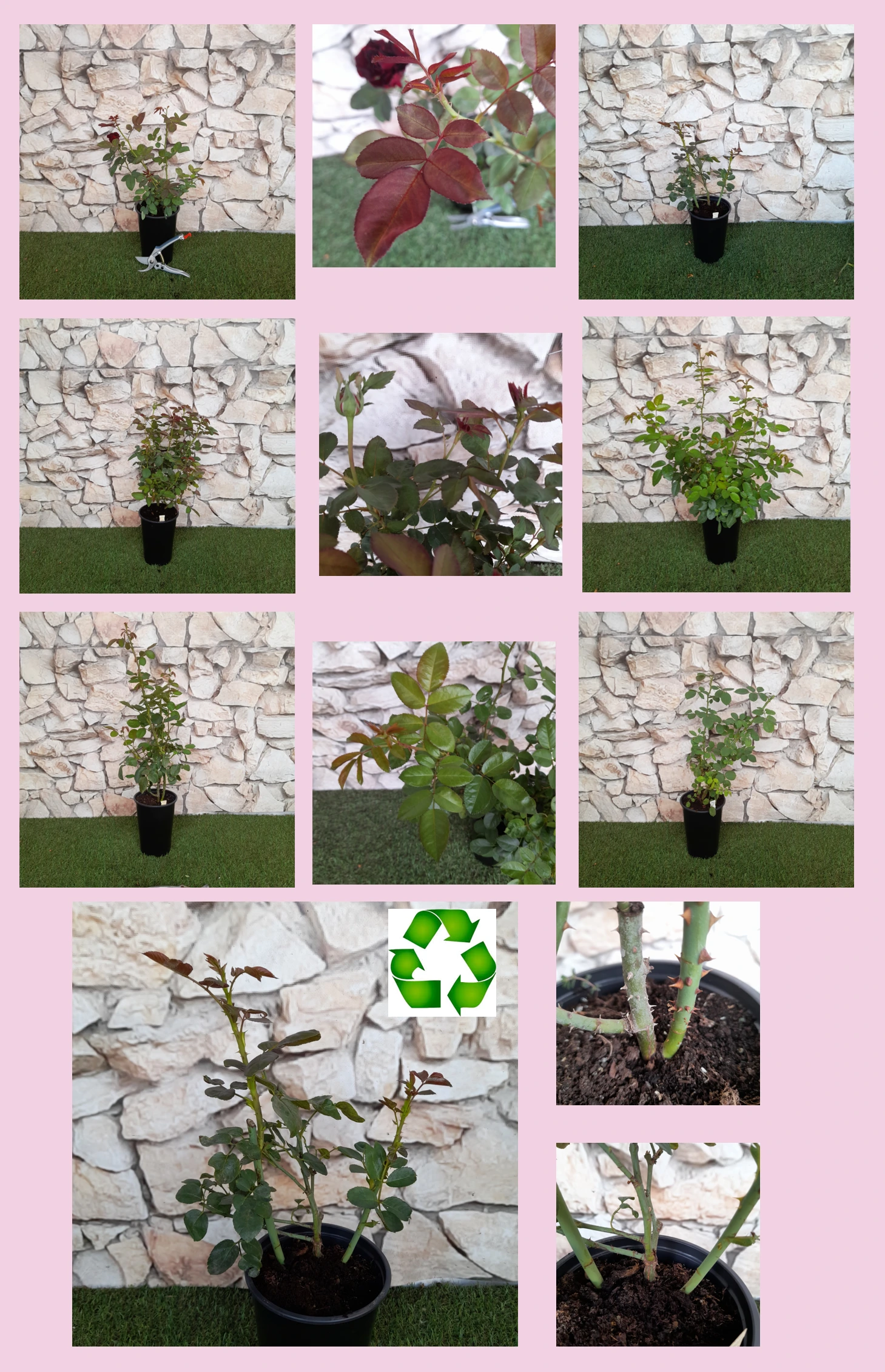
Crop overview: several varieties and growth stages in a short crop section.
Shoot system: intensive growth of fresh basal shoots on a young plant.
Root system: demonstration of a vigorous root system permeating the growing medium, by removing the pot.
Balance: mature plant with root system and shoots in harmony with each other.

Information about the videos
The video series is not a “seasonal showcase”; it illustrates the essence of pharmaROSA® own-root cultivation in a tangible way: how the plant is built up, what the root system is like and how the shoot system regenerates. The recordings were therefore made at different times and with plants at various stages of development, so mixed foliage levels and differing stages of growth may appear in the videos. They are not a ‘sample’ of the batch dispatched, but a visual explanation of how the technology works. The current condition of the rose available to order — typical for the given period and similar to what you can expect to receive in the parcel — is shown in the upper part of the product page.

pharmarosa.compharmarosa.depharmarosa.co.ukpharmarosa.skpharmarosa.ropharmarosa.sipharmarosa.czpharmarosa.atpharmarosa.hrpharmarosa.frpharmarosa.itpharmarosa.plpharmarosa.espharmarosa.bepharmarosa.nlpharmarosa.lupharmarosa.dkpharmarosa.iepharmarosa.grpharmarosa.bgpharmarosa.sepharmarosa.fipharmarosa.lvpharmarosa.ltpharmarosa.eepharmarosa.ptpharmarosa.ru

Product types

Pages for private customers
Garden roses for the family garden, with minimal care  → ORIGINAL®
Premium garden roses – instant impact, a truly showpiece garden  → EXTRA®
Pages for professionals and private customers
Roses for public spaces – large areas, sustainable maintenance  → NATURAL®
Roses for projects – hedge and row planting, fast implementation  → RAPID®
For professional partners only
Production – propagation material for garden roses, wholesale  → NEONATAL®

Company details

PharmaRosa Ltd.
Company registration number: 01-09-717479
VAT number: 13075314-2-43
Plant health registration no.: HU130721
Bank account (IBAN):
HU85117631891388688400000000
BIC (SWIFT): OTPVHUHB
Bank name: OTP Bank Nyrt.