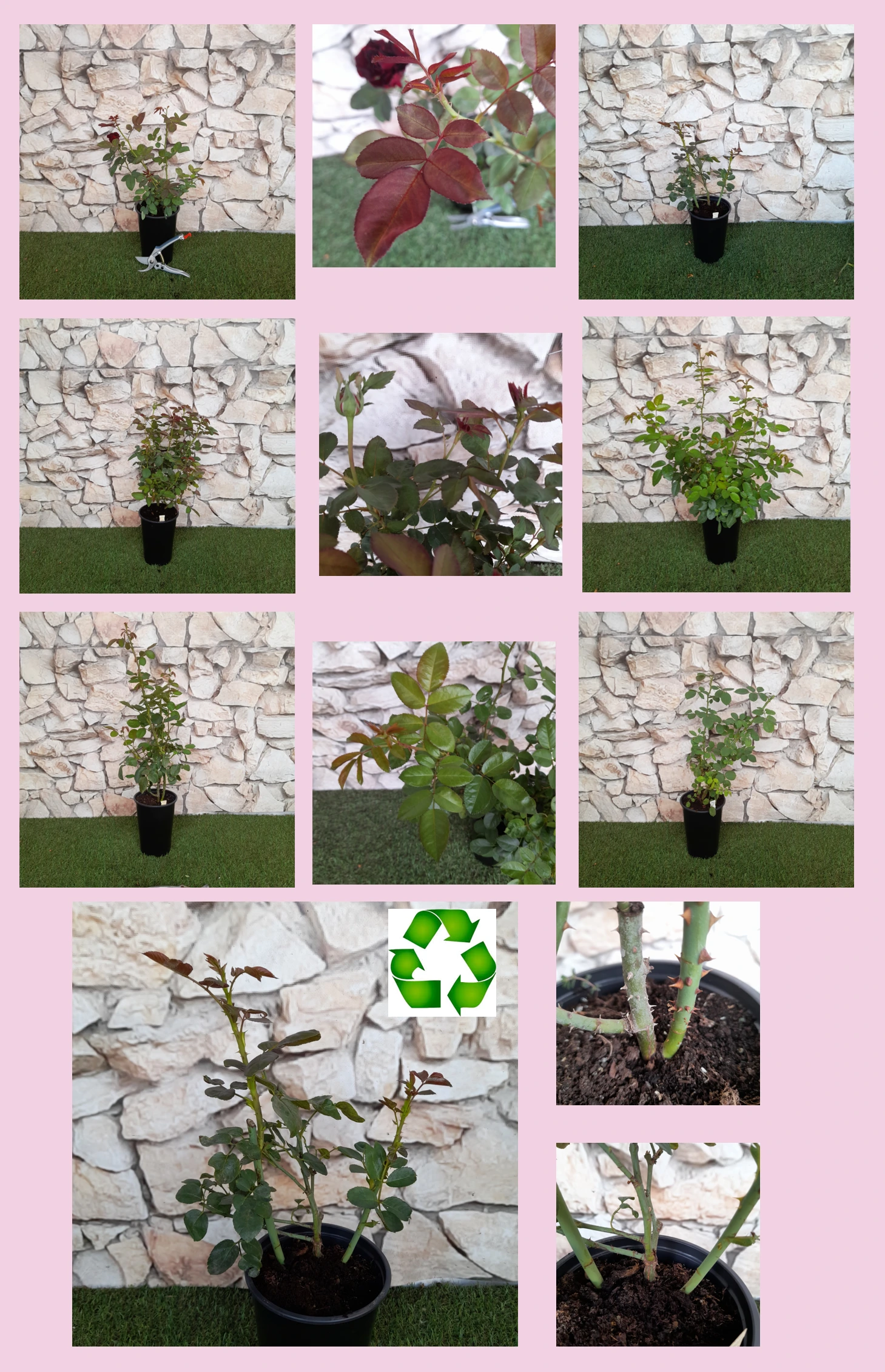
Cardinal Hume – lilac-purple park rose – Harkness
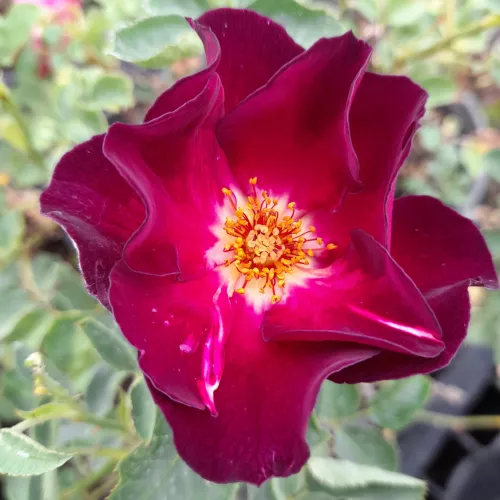
With its richly shaded lilac-purple flowers and relaxed, bushy habit, CARDINAL HUME settles naturally into classic British front gardens and cottage-style borders. This shrub rose offers reliable flowering from early summer with a generous second flush, while its medium, muscat-like fragrance adds a gentle background scent on still evenings. Bred by Harkness in the UK, it is well adapted to British conditions and copes steadily even where winds and rain demand good resilience and anchoring in the soil. Its dark, glossy foliage forms a dense backdrop that stays attractive across the season, and the bushy, slightly spreading habit makes it ideal for low, informal hedges or specimen planting near the house. As an own-root plant, it develops a long-lived, stable framework that can regenerate from the base, supporting an extended lifespan with relatively low input. In the first year it concentrates on roots, in the second on building shoots, and by the third year it typically reaches its full ornamental presence in the garden.
Usage options
| Target area |
Reasoning |
| Front garden specimen by the entrance |
The bushy, slightly spreading habit forms a well-rounded shrub that quickly reads as a feature without demanding intricate pruning. Medium-sized, clustered blooms repeat reliably, giving colour near the doorway through the main season and into autumn, with the muscat-like scent noticeable on still days – ideal for those seeking a welcoming focal point for the everyday visitor. |
| Low informal flowering hedge along a path or boundary |
Its dense foliage and 80–130 cm height create a soft, view-filtering line that remains attractive even between flushes of bloom. The plant’s structural stability, own-root longevity and good disease resistance make it suitable for hedging that is pruned only once a year and otherwise largely left alone, particularly valued by time-pressed garden owners. |
| Mixed cottage-style border with perennials and grasses |
The deep lilac-purple, colour-shifting blooms sit beautifully among silvers, creams and soft pinks, giving a relaxed cottage feel without needing complex care. Reliable repeat flowering and moderate self-cleaning mean a light deadhead and annual feed suffice, ideal where you want a rose to blend into an informal scheme yet remain easy for casual gardeners. |
| Small group planting (3–5 plants) in a front garden bed |
Planted at the recommended wider spacing, a group of CARDINAL HUME knits into a broad, gently mounded mass of foliage and colour, providing strong visual impact from a relatively small area. Its good disease resistance and own-root durability support a long-lived, low-intervention planting that suits busy family households. |
| Family garden play-area backdrop |
Dark green, slightly glossy leaves form a thick screen that frames play spaces while the shrubs stay within a manageable height range. Moderate prickliness discourages cutting through the bushes but is not excessively fierce, while the plant’s resilience in typical British weather keeps it presentable without constant attention, suiting practical-minded parents. |
| Urban courtyard or terrace in a large container |
In a 40–50 litre or larger pot with good drainage, its compact height and spreading habit give generous cover, creating a small ‘shrub rose’ scene even where soil is limited. The dependable repeat flowering and medium fragrance mean you can enjoy classic rose character on a balcony or terrace with only routine watering and annual light pruning, ideal for city-based residents. |
| Partially shaded side garden or north-east aspect |
This cultivar tolerates partial shade, maintaining leaf density and producing worthwhile flowering where many roses falter, such as side-return paths or between taller shrubs. In such positions it benefits in windy or rainy sites from its steady anchoring and capacity to cope with exposed, changeable conditions, reassuring less-experienced beginners. |
| Long-term, low-input shrub rose feature |
As an own-root plant, CARDINAL HUME develops a durable framework that can reshoot from the base after hard pruning or weather damage, supporting a long service life in the garden. Once established after the first few seasons, it typically needs only annual tidying and basic feeding, offering enduring value for thoughtful but time-limited rose enthusiasts. |
Styling ideas
- Cottage-curve – Plant as a loose arc by a front path with geraniums and catmint weaving between shrubs for an easy-going cottage feel – ideal for lovers of relaxed traditional gardens.
- Hedgerow-line – Create a low, informal hedge along a drive, underplanting with hardy groundcovers to soften the base – suitable for families wanting structure without formality.
- Twilight-border – Combine with dusky alliums, bronze grasses and pale foxgloves to echo its moody mauve-purple tones – appealing to those who favour atmospheric evening gardens.
- Courtyard-focus – Grow one shrub in a 50-litre terracotta pot with trailing thyme and heuchera at the rim – perfect for compact urban terraces needing a single strong focal rose.
- Screen-and-scent – Use a small group to veil a shed or fence, mixing in clematis and Japanese creeper for layered coverage – suited to homeowners wanting discreet, fragrant screening.
Technical cultivar profile
| Property |
Data |
| Name and registration |
Shrub rose, park type; registered as HARregale, marketed as Cardinal Hume. Belongs to the Park - shrub rose collection and approved for exhibition under the name Cardinal Hume. |
| Origin and breeding |
Bred by Jack Harkness (R. Harkness & Co. Ltd., UK). Complex parentage including Orange Sensation, Allgold, Rosa californica and Frank Naylor; introduced and registered in 1984. |
| Awards and recognition |
Recognised with an RNRS Certificate of Merit in 1984, reflecting its ornamental value and garden performance under British trial conditions soon after introduction. |
| Growth and structural characteristics |
Medium shrub, 80–130 cm high and 120–200 cm spread, bushy and slightly spreading. Dense, dark green foliage with a slightly glossy surface; moderately thorny stems, moderate self-cleaning of spent blooms. |
| Flower morphology |
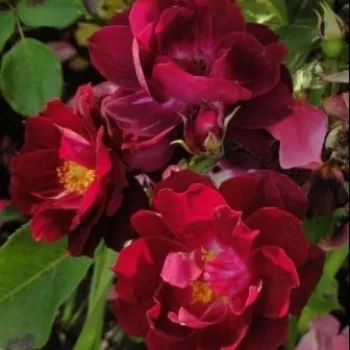
Medium-sized, double, cup-shaped flowers with 26–39 petals, borne in clusters. Remontant habit with a particularly abundant second flush, giving repeated displays across the main flowering season. |
| Colour data and phenology |
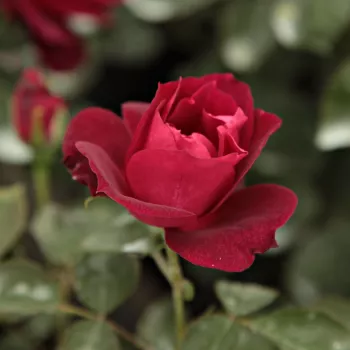
Deep lilac-purple with reddish tones; buds deep crimson tending to black. Colour shifts from rich reddish-crimson to dark mauve-purple, finally dull purplish-brown; colour holds better in cooler weather. |
| Fragrance and aroma |
Medium-strength fragrance with a soft muscat-like character, noticeable at close quarters and in still conditions; provides gentle scent without overwhelming adjacent seating or paths. |
| Hip characteristics |
Occasional small spherical hips, 8–13 mm diameter, scarlet red. Ornamental late-season interest is modest but visible where hips are allowed to develop rather than deadheaded. |
| Resistance and winter hardiness |
Rated resistant to powdery mildew, black spot and rust. Hardy to approximately −21 to −18 °C (RHS H7, USDA 6b, Swedish zone 3), with moderate heat and drought tolerance needing watering in prolonged dry spells. |
| Horticultural recommendations |
Suitable for flowerbeds, parks, hedges, specimens and urban green spaces. Prefers well-drained soil and regular feeding; space 130–210 cm depending on use, with 0.5–0.6 plants/m² for mass schemes. |
Cardinal Hume Park - shrub rose HARregale offers repeat lilac-purple flowering, dependable disease resistance and long-lived own-root growth, making it a thoughtful choice for those planning a durable, easy-care rose feature.