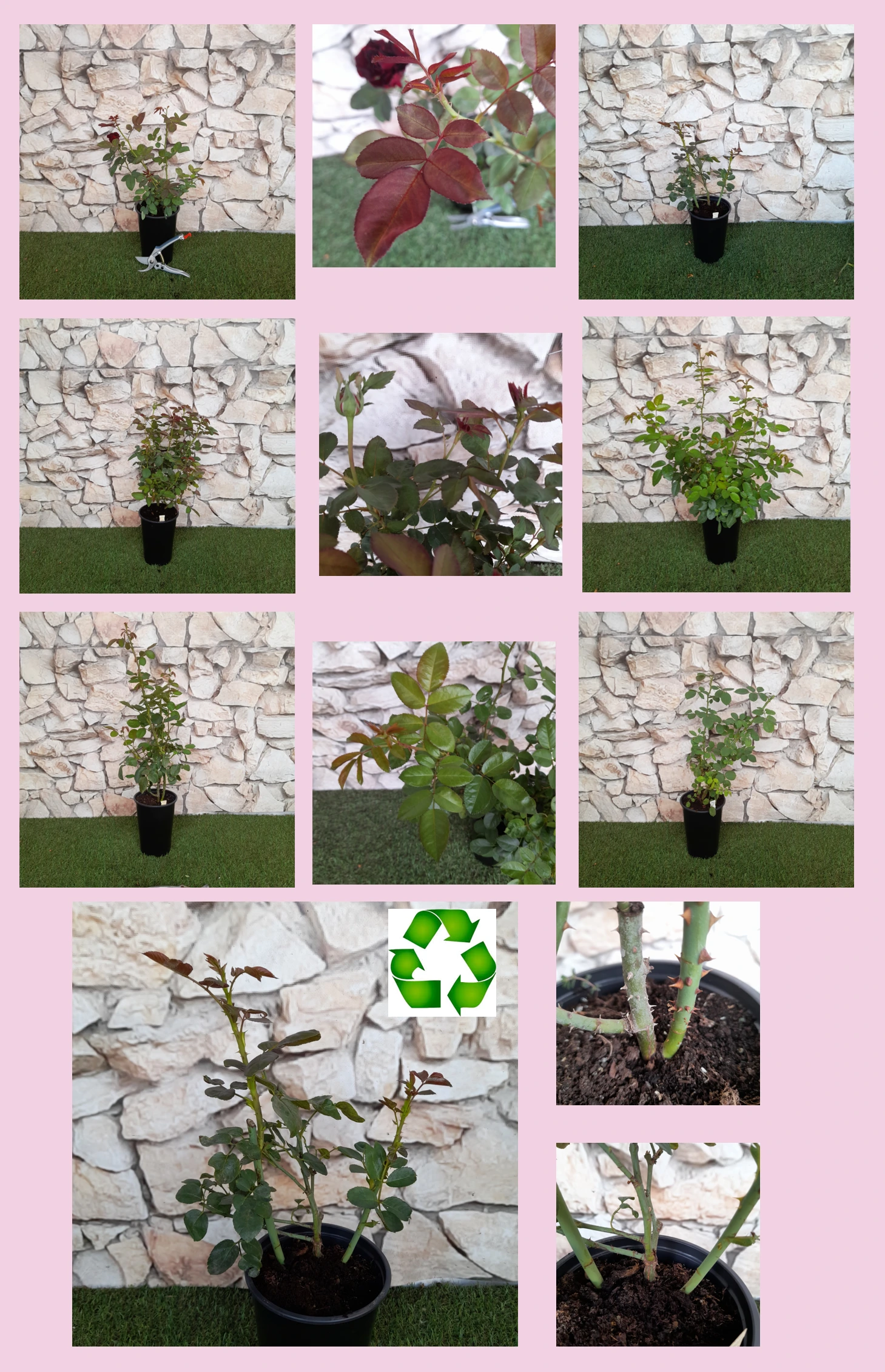
Ribona Bedding rose pharmaROSA® – yellow floribunda bedding rose
The Ribona bedding floribunda offers an easy, dependable way to bring bright, yellow colour into smaller British gardens without complicated care. Its bushy, compact habit keeps borders looking orderly, while clusters of medium‑sized, double blooms repeat generously from summer into autumn. With naturally good disease resistance, it stays attractive in wetter, unsettled seasons typical of many UK regions, needing only basic deadheading and feeding. The own‑root form supports long‑term stability and recovery if cut back hard, so the plant matures into a balanced, durable shrub over the years. In its first season it concentrates on roots, in the second on framework and shoots, and from the third year you can expect full, confident ornamental impact. Its moderate height fits well into classic cottage‑style beds, smaller front gardens and mixed borders, with the bushy framework providing structure among perennials. Medium, fruity fragrance adds extra charm near paths and seating, and with thoughtful siting you gain a rose that copes calmly with exposed, breezier spots where rain and wind can be frequent.
Usage options
| Target area |
Reasoning |
| Front garden focal clump (3–5 plants) |
Plant in a small group by the drive or front path to create a neat, repeat‑flowering focal point that looks composed without frequent pruning. The bushy habit and tidy dimensions make it simple to keep within bounds for busy homeowners |
| Low bedding rows along paths |
Use in a single or double row beside garden paths, spacing plants at about 40 cm so the rounded bushes knit into a continuous, low flowering band. Reliable repeat flowering and moderate self‑cleaning help maintain a smart look for aesthetics‑focused beginners |
| Mixed cottage‑style border |
Combine its warm yellow clusters with soft blues and purples in a loose cottage scheme, where the mid‑green foliage gives a calm backdrop. Own‑root vigour and long lifespan provide a steady framework among shorter‑lived perennials for long‑term planners |
| Small space feature in large containers |
In a 40–50 litre container it forms a compact, flowering shrub that is easy to water and feed regularly, ideal for patios or front steps. The controlled height and good health allow you to enjoy roses where border space is limited, suiting urban balcony‑owners |
| Easy‑care family bed by the lawn |
Establish 1–5 plants in a simple rectangular bed near the lawn to give continuous colour with minimal intervention. Low maintenance needs and clear disease resistance mean routine watering and annual feeding are usually enough for time‑pressed families |
| Border highlight in exposed, breezy spots |
Where gardens are more open to the elements, its sturdy, bushy framework and healthy foliage help it stay presentable despite gusty, wet weather, supporting a stable show of flowers even in challenging seasons for coastal and hillside gardeners |
| Informal low hedge or edging strip |
Planted at 35 cm intervals, the plants join to form a cheerful, low edging that guides the eye and gently defines spaces. The combination of compact stature and repeat flowering keeps the hedge effective without complex shaping, ideal for hedge‑line novices |
| Scented seating‑area companion |
Position near benches or terraces so the medium, fruity fragrance and clustered, double blooms can be enjoyed at close quarters. As an own‑root rose it recovers well from occasional harder pruning, staying shapely and rewarding year after year for relaxed garden‑sitters |
Styling ideas
- Cottage glow – Pair with soft blue nepeta and mauve geraniums for a romantic, low‑maintenance cottage border – ideal for those wanting colour and charm without fussy upkeep
- Front‑door welcome – Plant three in a loose triangle by the entrance path, underplanted with low saxifrage, to create a tidy yet inviting first impression – suited to image‑conscious homeowners
- Sunny containers – Grow one plant in a 40–50 litre terracotta pot with trailing thyme for an easy‑care patio feature – perfect for balcony and courtyard gardeners
- Family play‑border – Edge a lawn corner with Ribona and tough sea thrift so children’s play and a smart border can coexist – good for families wanting resilient planting
- Calm structure – Use as repeating anchors through a long border, interspersed with airy grasses, to provide year‑on‑year framework and colour – appealing to planners of long, narrow gardens
Technical cultivar profile
| Property |
Data |
| Name and registration |
Ribona Bedding rose pharmaROSA® is a yellow floribunda bed rose from the Bedding rose collection, sold as a commercial bedding floribunda type; registered cultivar name and exhibition details are not specified. |
| Origin and breeding |
Discovered and introduced by PharmaRosa® in Hungary, with breeding work dated to 2021; parentage is not recorded, and exact registration or introduction years are not yet available. |
| Growth and structural characteristics |
Compact, bushy shrub reaching about 70–90 cm high and 50–70 cm wide, moderately thorny, with medium‑dense, slightly glossy mid‑green foliage that forms a tidy, rounded garden presence. |
| Flower morphology |
Medium, double, cup‑shaped blooms with approximately 26–30 petals are carried in clusters on floribunda trusses, flowering repeatedly through the season with a notably abundant second flush. |
| Colour data and phenology |
Flowers open deep golden yellow, RHS 34A outer, 33B inner, then gently fade to light yellow with a creamy tinge; colour retention is good, and full bloom shows a radiant yellow centre with paler petal edges. |
| Fragrance and aroma |
The flowers have a clearly perceptible, medium‑strength scent with a fresh, fruity character; while noticeable at close range, the fragrance is not overpowering and suits everyday family garden settings. |
| Hip characteristics |
Forms small rose hips in moderate quantities, generally 0–5 mm in diameter; hips are not especially ornamental and are usually secondary to the variety’s primary use as a bedding and border rose. |
| Resistance and winter hardiness |
Shows good resistance to major foliar diseases including powdery mildew, black spot and rust; winter hardy to about −21 to −18 °C (RHS H7, USDA zone 6b, Swedish zone 3) with average heat and drought tolerance. |
| Horticultural recommendations |
Best in full sun with reasonably drained soil; plant 35–65 cm apart depending on use, at 5.7–6.5 plants/m² for mass bedding; suitable for borders, beds and large containers, with low overall maintenance needs. |
Ribona Bedding rose pharmaROSA® offers bright repeat flowering, easy care and durable own‑root growth, making it a sound choice if you would like a reliable yellow bedding rose for everyday garden use.